
Blog
How to Choose a Vacuum Sealer for Your Business?
Choosing a vacuum sealer for a business is not just a question of finding the fastest machine. A small café sealing portions for tomorrow has different needs from a processor packing dozens of products each hour. The right choice depends on what you seal, how often you work, and how much room you have. A machine that looks impressive on a product page may feel awkward beside a crowded prep table.
Start with the details that shape everyday work: bag size, seal width, cycle speed, and expected workload. External vacuum sealers may suit lighter tasks, while chamber models can handle some demanding packing routines. But price and machine type do not tell the whole story. Check whether your preferred bags are compatible, how simple the sealing bar is to clean, and whether replacement parts are easy to source. Small details matter. A difficult-to-clean corner can become a daily frustration.
There is no universal best vacuum sealer. A useful comparison should connect the machine’s features to your products and workflow, not rely on vague promises about performance. Consider staff training, available counter space, and the support offered by the supplier. Also, vacuum sealing should fit within your established food-handling and storage procedures; the machine alone does not ensure product safety. It is tempting to focus on speed alone. That can be misleading. A slower, dependable unit may serve a small operation better, though predicting future demand is never perfectly straightforward. This guide will help you weigh those trade-offs before choosing.
Assess Your Business’s Packaging Needs
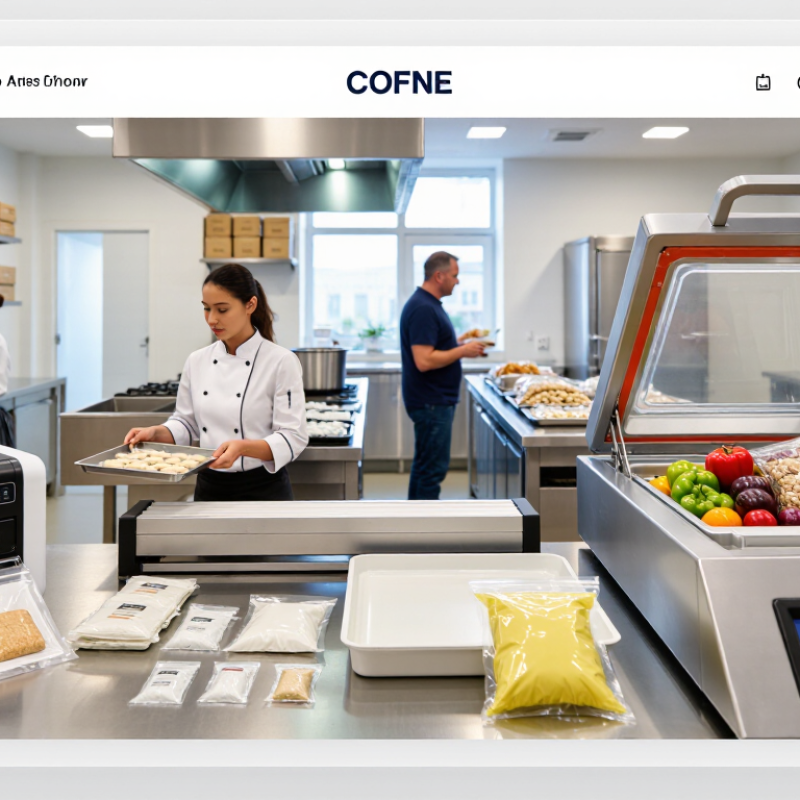
Before comparing vacuum sealers, map what your business actually packs. List each product, its daily volume, and the bag sizes it needs. A bakery sealing dry goods has different requirements from a kitchen packing moist portions. Liquids and sharp edges can also affect seal quality. Note whether products need individual packs, larger batches, or frequent label changes. Small details matter.
Estimate normal output and your busiest shift, not just average daily demand. If staff seal dozens of portions during a short rush, a slow cycle can create a bottleneck. Check available counter space, power access, cleaning routines, and who will operate the machine. Also confirm that your preferred bags fit the sealer and suit your products. Test representative items before committing; one sample bag is not enough.
Tips: Keep a one-week packaging log. Record pack counts, bag dimensions, sealing time, and failed seals. Bring a typical moist or bulky item to a supplier demonstration. It may feel like extra work, but real samples often reveal issues that a product sheet misses.
Review how sealed packages will be stored and handled. A neat seal on the counter may not hold up when packs are stacked in a cold room or moved between stations. Ask staff where the current process slows down. Their feedback may challenge your first estimate, and that is useful. Reassess the numbers after a trial run; workload changes, and initial assumptions are not always right.
Choose the Vacuum Sealer Type That Fits Your Products
How to Choose a Vacuum Sealer for Your Business?
Choose the Vacuum Sealer Type That Fits Your Products
Start with what you package, not the machine’s advertised speed. A chamber sealer suits liquids, marinades, and frequent batches because the whole pouch sits inside the chamber. Soup stays contained, and air is removed evenly. It can take more floor space, though.
An external suction sealer draws air through an embossed bag’s open edge. It often works well for dry goods, firm cheeses, and smaller production runs. Watch for liquids: broth can reach the sealing area and weaken the seal. Pulse control can help, but it does not make every wet product suitable. Test a sample.
For delicate items, such as soft bread or leafy produce, adjustable vacuum strength can help prevent crushing. A nozzle-style sealer may suit larger bags or irregular products, but setup and cleaning matter. Match the machine to daily volume, pouch material, and workspace. Check seal width and replacement-part access before buying. Do not rely on one attractive demonstration. Seal a real portion, store it as intended, then inspect the seam and product condition. Your first choice may still need revision; packaging can behave differently at production speed.
How to Choose a Vacuum Sealer for Your Business? - Choose the Vacuum Sealer Type That Fits Your Products
| Sealer Type | How It Works | Best-Suited Products | Typical Bag or Packaging Needs | Throughput and Setup | Main Considerations |
|---|---|---|---|---|---|
| External suction sealer | Draws air out through the open end of a bag, then seals the bag. | Dry, solid products such as coffee, grains, nuts, dried foods, and non-food items. | Usually requires textured or embossed vacuum bags that allow air to move toward the suction port. | Generally suited to lower-volume work and smaller batches; each bag is positioned and sealed individually. | Not a good choice for free-flowing liquids or wet products, which may be drawn toward the suction port. Bag size is limited by the sealing bar and machine design. |
| Single-chamber sealer | The product and open bag are placed inside a chamber. Air is removed from the chamber before the bag is sealed. | Meat, cheese, prepared foods, liquids, sauces, and many other products packaged in vacuum-compatible bags. | Typically works with smooth, non-embossed barrier bags; the chamber must accommodate the product and bag. | Suitable for small to medium production runs. The operator loads and unloads the chamber for each cycle. | Because pressure is reduced around the whole bag, liquids are less likely to be pulled out through a suction tube. Leave headspace and use suitable settings to help prevent boiling or product spillover. |
| Double-chamber sealer | Two chambers alternate between vacuum-and-seal and loading, allowing the operator to prepare one batch while the other is processing. | Higher-volume batches of meat, seafood, cheese, prepared foods, and other chamber-sealable products. | Usually uses smooth vacuum pouches; bag dimensions must fit the chamber and sealing bar. | Higher potential output than a comparable single-chamber workflow, especially when loading and unloading are the bottleneck. | Requires more floor space, investment, and operator coordination than a single-chamber unit. Actual output depends on cycle time, product size, and loading efficiency. |
| Nozzle-type sealer | One or more nozzles enter the bag to remove air; the bag mouth is then sealed. | Large or bulky products, powders, and applications using bags that are not suited to chamber equipment. | Bag compatibility varies by machine; many systems can use smooth bags, but the film and seal area must match the equipment. | Available in manual, semi-automatic, and automated configurations; output depends on nozzle count and line setup. | Nozzle positioning and bag handling affect consistency. Fine powders can contaminate the seal area or vacuum system unless the process includes suitable controls. |
| Continuous belt chamber sealer | Bags move through a vacuum chamber and sealing area on a conveyor, supporting continuous or semi-continuous production. | Large production runs of regularly sized products, including meat, seafood, cheese, and prepared foods. | Usually uses smooth vacuum pouches within the machine's specified bag-size range. | Designed for higher-throughput production lines; conveyor speed and operator or automation setup influence output. | Requires more space and a suitable production layout. Confirm product dimensions, bag format, line speed, and cleaning requirements before selection. |
Selection note: Verify the machine’s chamber or sealing-bar dimensions, compatible bag materials, seal width, cleaning requirements, and demonstrated cycle performance with your actual products. Vacuum packaging does not replace safe food handling, refrigeration, or other required preservation controls.
Match Machine Capacity to Your Production Volume
A vacuum sealer should match the work your team actually handles, not an ideal production target. Track packages sealed during a typical shift, then note busy periods, product changes, and cleaning breaks. A small shop sealing 40 bags an hour has different needs from a kitchen preparing 200 portions before lunch. Count carefully.
Check the machine’s rated cycle time, chamber size, and recommended duty cycle. A unit may seal quickly but still slow down if bags need careful placement or the chamber is too small for your products. Measure your largest package, including space for a clean seal area. Then compare that fit with your usual bag sizes. A snug match helps reduce wasted chamber space and awkward handling.
Allow some capacity for growth, but avoid buying far beyond current demand. Extra capacity can mean more floor space, power use, and maintenance without improving today’s workflow. Ask a supplier to demonstrate your actual product and packaging, and time several consecutive cycles—not just one. Watch for cooling pauses, operator effort, and inconsistent seals. Real output may be lower than the brochure suggests; that gap deserves a closer look. If volumes vary by season, record both quiet and peak weeks before choosing.
Check Bag Compatibility, Seal Quality, and Operating Features
A vacuum sealer must work with the bags your business actually uses. Check the machine’s specifications for bag material, thickness, and size. Some external suction models require textured bags, while chamber models can often handle smooth pouches. Confirm this before ordering supplies. Bring sample bags to a demonstration, if possible, and seal products with different moisture levels. A bag that seals neatly when empty may behave differently around oily or damp food. Small details matter.
Seal quality depends on more than vacuum strength. Look for an even, continuous seam with no wrinkles, trapped product, or weak spots. Check whether seal time and temperature can be adjusted for different bag materials. Then run several cycles in a row; a machine should deliver consistent seals without long pauses or excessive heat. Pay attention to the controls, cleaning access, and how easily staff can replace sealing components. Speed can look impressive on a specification sheet. In a busy room, awkward loading or unclear settings may slow the whole team. A short hands-on test is useful, though it may not represent every shift. Think about what still needs checking under real working conditions.
How to Choose a Vacuum Sealer for Your Business
Compare the factors that matter when evaluating bag compatibility, seal quality, and day-to-day operation.
Suggested buyer-priority ratings on a 1–5 scale, not survey results. Test your actual bags and products, check seal consistency, and confirm that the machine’s operating features suit your expected workload.
Compare Purchase Costs, Maintenance, and Long-Term Value
A vacuum sealer’s purchase price is only the opening cost. Compare it with the bag size and daily volume your business actually needs. A small external sealer may suit occasional batches, while a chamber model can handle repeated packing more consistently. Ask for a live demonstration using your own product and bags. Watch the sealing cycle, then check how quickly staff can reload it. That detail matters.
Maintenance adds costs that are easy to miss. Sealing bars may need cleaning or replacement, and some chamber pumps require scheduled oil changes. Check the service manual, parts availability, warranty coverage, and expected repair response time before buying. Keep a simple monthly estimate for bags, replacement parts, labor, and downtime. Not always exact. A spreadsheet helps, but it will not capture every interruption.
Long-term value depends on reliable output, not just a low price. If one machine saves several minutes per batch, estimate those labor savings across a normal workweek. Also consider whether it can seal your busiest day without overheating or slowing the packing line. Keep a buffer for repairs. A cheaper unit may still be the sensible choice for light use; paying more can make sense when lost production would cost more than the upgrade. Check the assumptions against a typical week, not an unusually busy one.
Related Posts
-
7 Best Food Vacuum Sealers for Home Use
-
What Is the Best Vacuum Sealer for Global Buyers in 2026?
-
Why You Need a Meat Chamber Vacuum Sealer for Perfect Food Preservation
-
What Are the Top 10 Best Vacuum Sealers for Global Buyers?
-
Top 10 Best Food Vacuum Sealers for Your Kitchen Needs?
-
China Top Vacuum Sealer Machine Manufacturers Guide