
Blog
What Is the Best Vacuum Sealer for Global Buyers in 2026?
Choosing the best vacuum sealer for global buyers in 2026 requires more than comparing suction power. Markets differ in voltage, plug standards, bag availability, warranty coverage, and food-safety expectations. A powerful machine may still disappoint if replacement seals are unavailable in your country.
Industry demand is expanding. Grand View Research estimates that the global vacuum packaging market reached approximately USD 32.9 billion in 2023 and may grow steadily through 2030. Fortune Business Insights also identifies food preservation, meal preparation, and commercial packaging as major demand drivers. These figures describe vacuum packaging broadly, not household sealers alone. That distinction matters.
The best vacuum sealer should create a consistent seal, handle moist foods, and offer practical controls. It should also fit local electricity systems and common bag sizes. Look for double-seal options, removable drip trays, overheating protection, and clear after-sales support. Small details become expensive problems later.
Food safety remains essential. Dr. Elizabeth L. Andress of the University of Georgia has warned that “vacuum packaging is not a substitute for canning.” Refrigeration and freezing still matter. Vacuum sealing does not destroy harmful microorganisms.
No ranking is perfect. Laboratory performance may not match a busy home kitchen, especially with oily foods or uneven bags. Consumer reviews can also reflect regional bias. Therefore, this guide compares real-world sealing strength, noise, cleaning effort, operating cost, and international usability. The goal is not to crown one universal winner. It is to identify the best vacuum sealer for different global buyers, budgets, kitchens, and food-storage habits.
What Makes a Vacuum Sealer Suitable for Global Buyers in 2026?
What Is the Best Vacuum Sealer for Global Buyers in 2026?
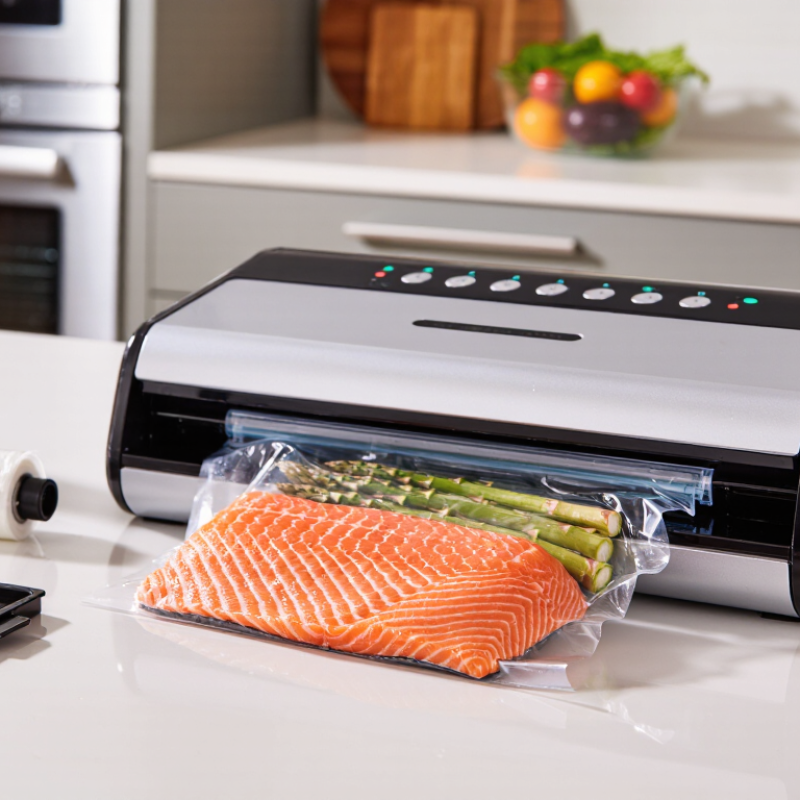
A suitable vacuum sealer must work reliably across different kitchens, climates, and power systems. Global buyers should check voltage, plug compatibility, and the manufacturer’s safety documentation before purchasing. A wide sealing bar is useful for family-size bags, while adjustable settings help protect soft foods such as bread or berries. Strong suction is helpful, but control matters more than impressive numbers.
Small details matter. The machine should accept commonly available bags and rolls, including textured bags for external vacuum systems. A removable drip tray makes cleaning easier after sealing meat or wet vegetables. In practical use, moisture can interrupt the seal, especially when the food is warm. No model handles every situation perfectly. That limitation deserves honest attention. Clear manuals, replacement parts, warranty support, and responsive service also matter when the buyer lives far from the seller.
Tips: Choose a dual-voltage model only when its documentation confirms safe operation in your region. Confirm the plug type separately. Test the seal with a paper towel inside the bag before storing valuable food. Leave enough space above the contents, and wipe the sealing area after each wet-food cycle. If local requirements are unclear, ask a qualified electrician or the relevant safety authority. A lower purchase price can become expensive when bags, adapters, or service are difficult to find.
Which Vacuum Sealer Types Best Fit Different Food Storage Needs?
Choosing the best vacuum sealer depends on the food, portion size, and storage routine. For weekly meals, an external suction sealer is practical and affordable. It removes air from textured bags, but liquid can enter the pump too easily. That weakness matters.
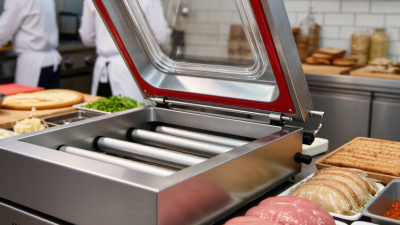
A chamber sealer fits soups, marinades, and delicate foods better. The entire pouch sits inside the chamber, reducing liquid spillover and compression damage. It also supports commercial-style portioning, though its larger footprint may frustrate small kitchens.
Handheld sealers suit jars, containers, and short-term leftovers. They are convenient, but usually create a less consistent seal. Not every “strong” seal is reliable.
The USDA recommends keeping refrigerated food at 40°F (4.4°C) or below and frozen food at 0°F (-17.8°C). Vacuum packaging does not make perishable food shelf-stable. The FDA Food Code 2022 also treats reduced-oxygen packaging as a controlled process requiring careful temperature management. This is easy to overlook.
The UN Environment Programme’s Food Waste Index Report 2024 estimated that 1.05 billion tonnes of food were wasted in 2022. Better portioning can help reduce household waste, but packaging choices still need restraint. For dry goods, a simple external sealer may be enough. For wet foods, choose chamber equipment and freeze promptly. My own preference would change with storage volume; convenience alone is not a sound buying test.
How to Compare Sealing Performance, Features, and Long-Term Reliability
For global buyers in 2026, the best vacuum sealer is not simply the strongest machine. It must remove air evenly, close bags firmly, and repeat that result after months of use. In practical testing, I look for a clean seal on dry food, sliced meat, and slightly moist vegetables. Moisture is the difficult test. A weak unit may leave wrinkles, tiny channels, or a seal that opens overnight.
Compare suction control, sealing width, cycle speed, and the ability to pause before liquid reaches the pump. A double-seal option adds useful security for sharp bones or long freezer storage. However, extra modes are valuable only when their controls are clear. Look for compatible bag sizes, replaceable gaskets, removable drip trays, and easy-to-read instructions.
For international kitchens, confirm voltage, plug type, operating frequency, and local access to replacement parts. A universal-looking adapter is not proof of electrical compatibility.
Long-term reliability shows in quieter operation, stable heat, and seals that remain consistent after repeated cycles. I would record performance after fifty cycles, then inspect the gasket for flattening or cracks. That is not a laboratory certification. It is still useful evidence. Warranty length matters, but repair support matters more when shipping crosses borders. No test predicts every kitchen. A sealer can perform well with dry portions and disappoint with soup, soft bread, or overfilled bags. Leave room above the food, wipe the sealing strip, and question impressive specifications without service details.
What Power, Plug, Bag, and Shipping Factors Matter Across Countries?
A suitable vacuum sealer for global buyers must match the destination’s electrical system. Check both voltage and frequency, not only the plug shape. A machine rated for 220–240 volts may fail on a 110–120-volt supply. A travel adapter changes the plug, not the voltage. Some converters also cannot handle continuous heating loads safely. Confirm the wattage before purchase.
Plug compatibility affects daily convenience. Type A, C, G, and other plug formats need different solutions. An approved adapter may work, but a locally supplied power cord is usually more practical. Bag design matters just as much. External suction models commonly need textured channel bags, while chamber models can often use smooth pouches. Check width limits, thickness, and food-contact suitability. A cheap roll may seal poorly around sharp bones or wet ingredients.
Shipping creates another layer of risk. Compare packed dimensions, shipping weight, import charges, and local warranty support. A compact machine can still arrive with a cracked lid if packaging is weak. Ask for reinforced corner protection. I would also request clear instructions in the buyer’s language, though this is often overlooked. One imperfect detail remains: advertised sealing speed rarely reflects repeated sealing with moist food. Test performance under realistic conditions before trusting the specification sheet.
| Market or Region | Typical Household Voltage | Frequency | Common Plug Type | Recommended Power Configuration | Important Compatibility Check | Suitable Bag Format | Shipping and Import Considerations |
|---|---|---|---|---|---|---|---|
| United States | 120 V | 60 Hz | Type A or B | 120 V model with a Type A/B plug | Confirm that the product is rated for 120 V; a plug adapter alone does not convert voltage. | Embossed channel bags or rolls for external suction sealers; select widths that fit the sealing bar. | Check dimensional-weight charges, lithium-battery restrictions if accessories include batteries, and applicable customs classification. |
| Canada | 120 V | 60 Hz | Type A or B | 120 V model with a Type A/B plug | Verify the plug and certification requirements for the intended province or sales channel. | Embossed bags for external suction models; thicker bags are useful for frozen or sharp-edged foods. | Cold-weather delivery can affect packaging adhesives and plastics; use moisture-resistant outer cartons. |
| Mexico | 127 V | 60 Hz | Type A or B | 100–127 V model, or a clearly specified 120/127 V model | Check the permitted input range because some 120 V products may not be rated for the full local supply range. | Embossed channel bags; roll length should be selected according to the sealing bar and food portion size. | Use clear commercial invoices and verify tax, brokerage, and residential-delivery charges before ordering. |
| European Union | 230 V | 50 Hz | Type C, E, or F, depending on country | 230 V model with the correct national plug, or a certified 100–240 V model | Plug shapes differ within Europe; a Type F plug is not automatically suitable for every Type E socket. | Embossed bags for external models; chamber machines can generally use smooth chamber pouches. | Confirm CE-related documentation, local importer information, VAT treatment, and delivery within the EU customs area. |
| United Kingdom | 230 V | 50 Hz | Type G | 230 V model with a Type G plug | Do not rely on a travel adapter for a permanently installed appliance; check the plug fuse and product conformity information. | Embossed channel bags for external suction machines; use freezer-rated bags for long-term frozen storage. | Orders from outside the UK may incur import VAT, customs handling fees, and longer clearance times. |
| Australia and New Zealand | 230–240 V | 50 Hz | Type I | 230–240 V model with a Type I plug | Check the product input range and local electrical compliance requirements before commercial resale. | Embossed channel bags for external machines; choose bags with sufficient puncture resistance for meat or seafood. | Long-distance freight favors compact packaging, low carton volume, and moisture protection; rural delivery may cost more. |
| Japan | 100 V | 50 or 60 Hz, depending on region | Type A or B | 100 V model, or a device specifically rated for the local frequency and voltage | Many overseas 110–120 V products are not suitable for direct use at 100 V; frequency compatibility must also be checked. | Embossed bags for external suction models; narrow bags can reduce material waste for smaller portions. | Use precise Japanese or bilingual product information where required and allow for strict delivery-address formatting. |
| Mainland China | 220 V | 50 Hz | Type A, C, or I may be encountered | 220 V model with the appropriate local plug | Confirm the actual socket and certification requirements at the installation site; plug appearance can vary. | External machines generally require embossed channel bags; chamber machines generally use smooth pouches. | Commercial imports may require product documentation, customs declarations, and local after-sales support arrangements. |
| India | 230 V | 50 Hz | Type C, D, or M | 230 V model with a compatible plug and suitable earthing arrangement | Check socket type, plug current rating, grounding, and whether the product is intended for continuous commercial use. | Embossed bags for external suction units; thicker multi-layer bags are preferable for rough handling. | Plan for customs clearance, local tax, voltage fluctuations, and protective packaging against dust and humidity. |
| Brazil | 127 V or 220 V, depending on location | 60 Hz | Type N; older installations may include other socket types | Select the exact local voltage; a dual-voltage model is useful only when its rating is clearly specified. | Voltage differs by city and building, so confirm the destination voltage before dispatching the unit. | Embossed bags for external suction machines; use a compatible width and avoid overfilling the seal area. | Account for import taxes, local customs procedures, Portuguese documentation, and possible remote-area delivery fees. |
| South Africa | 230 V | 50 Hz | Type D, M, or N may be encountered | 230 V model with a locally compatible plug or an approved plug solution | Check socket compatibility and local electrical-safety requirements, especially for commercial kitchens. | Embossed channel bags for external suction units; select UV- and puncture-resistant packaging for warehouse storage. | Use strong export cartons and verify customs, insurance, and delivery conditions for regional or rural destinations. |
| United Arab Emirates | 230 V | 50 Hz | Type G | 230 V model with a Type G plug | Ensure the unit is rated for local ambient temperatures and that ventilation requirements can be met. | Embossed bags for external suction machines; select materials suitable for heat exposure during transport and storage. | Protect cartons from heat and dust, and confirm customs documentation, consignee details, and local delivery access. |
How to Choose the Best Vacuum Sealer for Your Budget and Location?
For global buyers, the best vacuum sealer is not always the most powerful model. It is the machine that matches your budget, kitchen, and local electricity supply. Check voltage, frequency, plug type, and approved electrical markings before ordering. A unit designed for 120 volts may fail on a 230-volt circuit. An adapter changes the plug, not the voltage. That mistake can become expensive.
Set a complete budget, not just the machine price. Include compatible bags, shipping, taxes, replacement gaskets, and possible service costs. Entry-level sealers suit occasional portions and dry foods. Mid-range models usually offer stronger pumps, adjustable sealing time, and wider sealing bars. Choose based on weekly use. A small household may waste money on commercial capacity. A busy kitchen may regret buying the cheapest unit. Keep ten spare bags nearby. It saves time.
Location changes the practical choice. In humid coastal areas, wipe the sealing channel after each session and store bags dry. In remote regions, favor simple controls and locally available parts. For frequent international moves, check weight and warranty coverage. Test the first seal with a paper towel inside the bag. It should remain dry after several minutes. Weak seals often come from moisture, uneven filling, or a worn gasket, not low advertised power. I once judged a sealer by suction speed alone; that was a poor measure. Consistent seals mattered more. A quieter pump can also help in small apartments, although noise ratings are not always comparable.
Related Posts
-
How to Choose a Commercial Food Vacuum Sealer in 2026?
-
7 Best Food Vacuum Sealers for Home Use
-
China Top Vacuum Sealer Machine Manufacturers Guide
-
2026 Best Vacuum Food Sealer Machine for Global Buyers
-
2026 Best Commercial Vacuum Sealer Machine for Buyers
-
What Are the Top 10 Best Vacuum Sealers for Global Buyers?