
Blog
China Top Vacuum Sealer Machine Manufacturers Guide
Choosing a reliable vacuum sealer machine manufacturer in China requires more than comparing prices. It demands careful attention to factory experience, product design, testing records, and after-sales support. This guide introduces established Chinese manufacturers serving household, commercial, and industrial packaging markets. Their product ranges may include external suction sealers, chamber machines, and automatic production systems. Each type suits different materials, workloads, and sealing requirements. Details matter.
A capable supplier should explain pump capacity, sealing width, cycle speed, temperature control, and compatible bag materials clearly. Ask for technical drawings, sample results, certification documents, and a written warranty before placing an order. Factory audits can reveal practical details, such as assembly discipline, spare-parts storage, and final inspection procedures. Product demonstrations are useful, but repeated testing offers stronger evidence. Not every claim survives testing.
This overview also considers customization, minimum order quantities, export experience, packaging quality, and communication efficiency. Experienced buyers often test machines with their own products because laboratory demonstrations may not reflect real production conditions. A supplier can appear professional online yet respond slowly after payment. That gap matters. We will highlight both strengths and limitations, rather than treating every manufacturer as equally dependable. Some information may change as factories update models, certificates, or production capacity. Readers should verify current documents directly and review local electrical and food-contact requirements before purchasing. The goal is practical guidance: helping buyers compare manufacturers fairly, reduce avoidable risks, and select equipment that performs consistently in daily operation.
Vacuum Sealer Machine Types and Core Operating Principles
China Top Vacuum Sealer Machine Manufacturers Guide
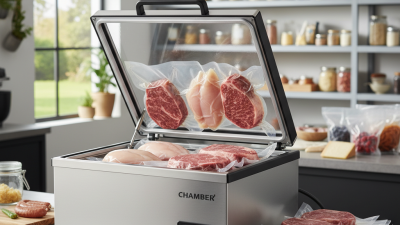
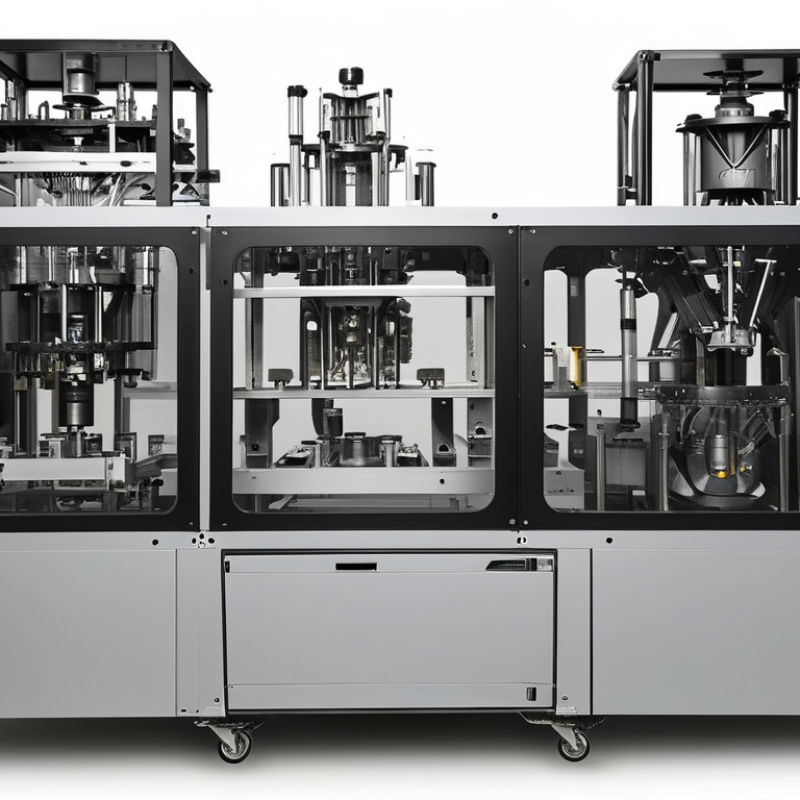
Vacuum sealer machines remove air from packaging and create a tighter storage environment. External vacuum sealers suit household use and small production lines. Chamber vacuum sealers handle liquids, powders, and repeated commercial work more reliably. Automatic tray sealers are useful for prepared foods and consistent output.
The core process has several stages. A pump draws air from the bag or chamber. A sensor monitors the pressure level. The sealing bar then heats the film and presses it closed. Cooling time helps the seal become firm. If the bag contains moisture, the pump may pull liquid toward the sealing area. That can weaken the seal and damage internal parts. Operators should keep the sealing strip clean and check the gasket regularly. Film thickness also affects heat settings. Thin material may burn, while thick material may remain partly open.
Tips: Keep the bag opening flat. Leave enough empty space above the product. Wipe moisture from the sealing area. Test one package before continuous work. No setting works perfectly for every material. I still recommend recording pressure, temperature, and sealing time during trials. That simple record makes later adjustments more reliable, although human inspection remains necessary.
Key Criteria for Evaluating Chinese Vacuum Sealer Manufacturers
China Top Vacuum Sealer Machine Manufacturers Guide
Key Criteria for Evaluating Chinese Vacuum Sealer Manufacturers
Evaluating a Chinese vacuum sealer manufacturer requires more than comparing catalog prices. Check the heating wire, sealing bar, pump type, and chamber materials. Stainless steel should have clean welds and consistent thickness. Open the machine and inspect wiring, connectors, and cooling paths. Small details often reveal production discipline.
Request a working sample for testing. Measure sealing width, vacuum time, residual air, and bag temperature. Repeat the test with different bag thicknesses. A reliable supplier should provide pressure data, electrical drawings, inspection records, and clear operating instructions. Ask how each batch is traced from incoming parts to final inspection. Factory audits also matter. Review calibration tools, staff training, and quality checkpoints.
Do not trust polished videos alone. A bright showroom can hide weak after-sales support. Ask for spare-parts lists, response times, warranty terms, and repair procedures. Check whether the supplier can maintain stable output during larger orders. Their answers should be specific, not merely confident. One overlooked issue is local voltage compatibility. Another is cleaning access around the sealing area. These problems may appear only after weeks of use. A practical evaluation should include noise, heat buildup, daily maintenance, and operator safety. Some suppliers may offer impressive customization, yet slow communication can create costly mistakes. That deserves honest consideration.
China Top Vacuum Sealer Machine Manufacturers Guide
Key Criteria for Evaluating Chinese Vacuum Sealer Manufacturers
The chart presents a practical buyer-evaluation weighting for vacuum sealer manufacturers. Product quality and certification, sealing performance, material durability, quality-control systems, customization capability, production capacity, and after-sales support are commonly assessed when comparing potential suppliers.
Leading China-Based Vacuum Sealer Machine Manufacturers
China’s vacuum sealer machine manufacturers serve food processors, restaurants, laboratories, and household users worldwide. Grand View Research estimated the global vacuum packaging market at about US$29.5 billion in 2023. It also projects steady growth through 2030. This demand supports China’s large manufacturing base, especially for chamber machines, external sealers, and automated packing lines.
Experienced buyers should examine more than price. Reliable China-based manufacturers usually provide seal-temperature controls, oil or dry pumps, stainless-steel chambers, and replaceable sealing bars. Ask for test videos using your actual pouch material. Check vacuum strength, sealing width, cycle time, noise, and power consumption. The details matter. A machine that looks impressive may still produce uneven seals after continuous operation.
Tips: Request factory inspection records, electrical certificates, spare-parts lists, and a written warranty. Confirm whether technicians can support installation remotely. The MarketsandMarkets vacuum packaging market report identifies food preservation as a major demand driver, but conditions vary by product and region. I would not accept a claimed vacuum level without a measurement method. That small omission can become an expensive problem. Also, sample testing should include oily products, sharp edges, and repeated daily cycles.
Product Quality, Certifications, Customization, and Production Capacity
China Top Vacuum Sealer Machine Manufacturers Guide
Product quality starts with repeatable sealing, not polished brochures. Grand View Research estimates the global vacuum packaging market will continue growing through 2030, driven by food safety and longer shelf life. This growth makes factory verification essential. Ask for seal-strength records, vacuum-leak results, and stainless-steel grade certificates. A trial with your own pouch is more useful than a showroom demonstration. Check wrinkles, trapped air, oil residue, and seal width after repeated cycles.
Certifications should match the destination market and product contact requirements. ISO 9001 supports documented quality control, but it does not guarantee machine performance. Food-contact components may require compliance with EU Regulation 1935/2004 or FDA 21 CFR provisions. Electrical conformity, such as CE requirements, should include traceable test documents. Verify certificate numbers independently. Some paperwork looks convincing. It can still be incomplete.
Customization requires engineering depth. Confirm chamber dimensions, pump capacity, PLC options, gas-flushing functions, and pouch materials before signing. Production capacity should include monthly output, testing staff, spare-parts availability, and realistic lead times. Request factory acceptance testing with recorded vacuum levels and cycle times. PMMI industry research repeatedly highlights automation, labor efficiency, and service support as major packaging investment factors. A faster machine may not suit fragile products. That detail is easy to miss. Suppliers should explain failure rates and corrective actions, even when the answer is uncomfortable.
China Top Vacuum Sealer Machine Manufacturers Guide - Product Quality, Certifications, Customization, and Production Capacity
| Evaluation Dimension | Key Data Point | Typical Manufacturer Range or Requirement | How to Verify | Buyer Relevance |
|---|---|---|---|---|
| Product Type | Machine configuration | External suction, chamber, double-chamber, and continuous-band models are commonly available. | Request a technical datasheet, operating video, and sample test report. | The configuration determines packaging speed, compatible products, and total investment. |
| Product Quality | Vacuum level | Many commercial vacuum machines specify approximately -0.6 to -0.ัด95 bar, depending on pump type and model. | Measure performance with a calibrated vacuum gauge under a defined test load. | Higher vacuum capability can improve package compactness and protection, but must match the product. |
| Product Quality | Sealing width | Common sealing widths include 2.5 mm, 5 mm, and 8–10 mm, depending on equipment class. | Inspect the heating wire, sealing tape, pressure bar, and finished seal cross-section. | A consistent seal reduces leakage, rework, and product loss. |
| Product Quality | Sealing-bar length | Small table-top models commonly use bars of about 200–500 mm; industrial models may exceed 600 mm. | Compare the usable sealing length with the largest intended bag width. | Adequate bar length prevents product overhang and limits the number of sealing cycles. |
| Product Quality | Cycle time | Typical cycle times range from approximately 10–40 seconds for many chamber models; actual results depend on bag size and product. | Run at least 20 consecutive cycles using the buyer's actual bags and products. | Measured throughput is more reliable than catalog speed claims. |
| Product Quality | Pump capacity | Pump displacement is commonly listed in m³/h or L/min; chamber machines frequently use oil-lubricated rotary-vane pumps. | Confirm rated displacement, ultimate vacuum, oil requirements, and maintenance intervals. | Pump selection affects speed, vacuum stability, noise, and service cost. |
| Materials and Construction | Chamber and body material | Food-processing equipment commonly uses stainless steel contact surfaces; grades should be stated in the specification. | Request material declarations and inspect welds, hinges, gasket seating, and surface finishing. | Material quality influences hygiene, corrosion resistance, and operating life. |
| Certifications | Electrical and market compliance | Depending on destination, buyers may require CE-related conformity, EMC/LVD compliance, UKCA, UL/ETL, or other local approvals. | Check the certificate holder, model number, test standards, issuing body, and validity. | Certification requirements vary by market and should be confirmed before purchase. |
| Certifications | Quality-management system | An ISO 9001-certified quality-management system is a useful supplier-control indicator, but it does not replace product testing. | Verify the certificate scope, manufacturing address, certification body, and audit status. | A valid system certificate can support traceability and corrective-action management. |
| Customization | Electrical configuration | Voltage, frequency, plug type, motor protection, and control-panel language can usually be adapted to the destination market. | Approve a written electrical specification and inspect the final nameplate before shipment. | Correct electrical configuration reduces installation and compliance risks. |
| Customization | Packaging and appearance | Possible options include stainless-steel finish, private-label panels, multilingual manuals, carton design, and accessory kits. | Confirm drawings, artwork, packaging samples, minimum order quantity, and one-time tooling charges. | Customization should not compromise safety labels, service access, or spare-part compatibility. |
| Production Capacity | Manufacturing capability | Capacity varies substantially by factory size, product mix, degree of assembly, and access to outsourced components. | Request monthly capacity by model, current order loading, equipment list, and production lead time. | Capacity should be evaluated against the required delivery schedule, not only annual claims. |
| Production Capacity | Quality-control process | A robust process normally includes incoming inspection, in-process checks, electrical safety testing, vacuum testing, seal testing, and final inspection. | Request inspection checklists, sample records, calibration certificates, and nonconformity procedures. | Documented controls improve consistency across repeated production batches. |
| Lead Time | Standard and customized orders | Standard machines may be available sooner; customized production commonly requires additional engineering, artwork, testing, and approval time. | Obtain a milestone schedule covering design approval, production, inspection, and shipment. | A milestone-based schedule helps control launch and replenishment planning. |
| After-Sales Support | Warranty and spare parts | Warranty terms, exclusions, response times, and spare-part availability should be stated in the sales contract. | Request a spare-parts list covering seals, heating elements, filters, relays, gaskets, and pump-service items. | Service readiness reduces downtime and improves the machine's total cost of ownership. |
| Commercial Evaluation | Total cost of ownership | Evaluate purchase price together with freight, duties, electricity, pump oil, consumables, maintenance, training, and downtime. | Compare quotations using the same technical specification and five-year operating assumptions. | The lowest initial price is not always the lowest operating cost. |
Note: Performance figures are general industry reference ranges rather than claims about any specific supplier. Final values should be confirmed through model-specific documentation, sample testing, inspection records, and destination-market compliance requirements.
How to Select and Source the Right Chinese Manufacturer
Selecting a Chinese vacuum sealer machine manufacturer requires more than comparing online prices. Factory capability matters. During supplier checks, examine the production floor, testing equipment, and operator training. A reliable factory should explain its sealing temperature range, vacuum level, cycle time, and expected service life clearly.
Request a working sample before discussing large orders. Test bags with liquids, powders, and uneven product surfaces. Check whether the seal remains smooth after repeated cycles. Measure the sealing width with a ruler. Ask for electrical safety reports, material specifications, and quality-control records. Samples matter.
Communication can reveal production risks. Confirm the exact model, pump type, chamber size, voltage, plug standard, spare parts, packaging, and minimum order quantity in writing. Ask how defects are handled and who pays for replacement parts. An independent pre-shipment inspection can verify quantity, labels, carton strength, and machine performance. Do not rely only on factory videos. They may show an ideal day.
I once underestimated after-sales support because the sample performed well. That was a mistake. A minor control-panel issue later caused delays. Now, I request wiring diagrams, troubleshooting videos, and response-time commitments before placing an order. Payment terms, inspection rights, and shipping responsibilities should also appear in the contract. The cheapest quotation may hide weak testing or expensive spare parts. Keep questioning unclear answers.
Related Posts
-
Why You Need a Meat Chamber Vacuum Sealer for Perfect Food Preservation
-
How to Choose the Best Vacmaster Vacuum Sealer for Your Needs?
-
Top 10 Best Food Vacuum Sealers for Your Kitchen Needs?
-
Top Vacuum Sealer Machines for Home Use What Makes Them Stand Out?
-
2026 Best Vacuum Sealer Options for Home use on a Budget?
-
Top Best Chamber Vacuum Sealers for Home Use in 2026?