
How to Choose the Right Chamber Sealer in 2026?

Choosing the right chamber sealer in 2026 requires more than comparing pump sizes or stainless-steel finishes. It requires matching equipment to products, packaging materials, production speed, and cleaning routines. A machine that seals 20 bags per minute may struggle with oily foods, liquids, or irregular pouch sizes. The details matter.

Recent industry reports support this practical view. PMMI’s 2024 State of the Industry research highlights labor efficiency, automation, and equipment reliability as major packaging priorities. Grand View Research’s vacuum packaging market analysis also identifies shelf-life extension, food protection, and convenience as important growth drivers. These findings suggest that buyers should evaluate total operating performance, not only the purchase price. A reliable chamber sealer should produce consistent seals, reduce product waste, and fit existing workflow.

Food safety deserves equal attention. The USDA Food Safety and Inspection Service explains that vacuum packaging can slow spoilage, but it does not replace refrigeration or validated handling procedures. Operators still need suitable temperatures, clean surfaces, correct seal settings, and documented checks. Small gaps can become expensive problems.

A thoughtful selection begins with evidence. Test your actual pouch material. Measure cycle time. Inspect seal strength after cooling. Ask whether technicians can access pumps, bars, and controls without disrupting production. It is easy to overestimate future capacity, and many buyers do. That mistake can create unused equipment, higher maintenance costs, and unnecessary energy consumption. The best chamber sealer is not always the fastest model; it is the one that remains dependable during real production.
How to Choose the Right Chamber Sealer in 2026?

Chamber Sealer Basics: How the Main Types Differ

How to Choose the Right Chamber Sealer in 2026?

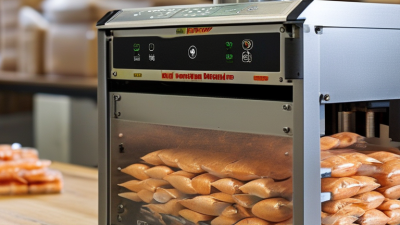
Chamber sealers remove air inside a sealed enclosure, not directly from the bag. This design handles liquids, sauces, and moist foods more reliably. The pump pulls air from the entire chamber. Then, a heated bar closes the bag mouth. Bag position matters. A crooked edge can create weak seals, even when the vacuum looks strong.

Single-chamber machines suit small kitchens, laboratories, and low-volume production. The operator places one bag inside, closes the lid, and waits for the cycle. They are compact and easier to maintain.

Double-chamber models improve output. One chamber runs while the operator loads the other. This reduces idle time, but the machine needs more floor space and careful scheduling.

Continuous or belt-style chamber systems support larger batches. They move bags through repeated sealing cycles with less manual handling. Their speed can be impressive. However, they demand consistent bag sizes and trained operators. A small change in product height may affect the seal.

Gas-flush functions can protect delicate products from crushing, but they add setup decisions and operating cost.

Choose pump capacity by workload, not appearance. A large pump may still perform poorly with unsuitable bags or weak maintenance routines.

I would recheck the expected cycle rate after a week of real use. Initial estimates are often too optimistic. Pay attention to condensation, oil changes, seal-bar wear, and cleaning access before making the final choice.

Assess Your Product, Packaging, and Sealing Requirements

How to Choose the Right Chamber Sealer in 2026?

Assess Your Product, Packaging, and Sealing Requirements

Choosing a chamber sealer starts with the product, not the machine. I have seen operators select equipment by chamber size alone. That approach often creates wasted space, slow cycles, or weak seals. Examine product dimensions, weight, moisture, and sharp edges. A sauce pouch behaves differently from a tray of dry parts. Liquids may need controlled vacuum levels and gentle gas release. Delicate foods can deform under excessive pressure.

Packaging material matters just as much. Check the bag’s thickness, sealable layer, and recommended temperature range. Measure the widest package and leave room around it for airflow. My first chamber estimate was too optimistic. A larger pouch needed more clearance than expected. Test real packaging, not only samples supplied by the film manufacturer. Inspect seal width, wrinkles, leaks, and cooling time after each cycle.

Tips: Record three sealing cycles for every product. Use the heaviest normal load during testing. Watch the seal while it cools. If the seal peels easily, adjust temperature, pressure, or dwell time separately. Changing several settings at once makes troubleshooting difficult. Keep a simple test log with dates, materials, and results. Operators may prefer faster cycles, but consistency usually protects product quality better. Also question your assumptions. A clean-looking seal is not always an airtight seal. Pair visual checks with leak testing when product safety or shelf stability depends on it.

Compare Vacuum Performance, Chamber Size, and Pump Capacity

How to Choose the Right Chamber Sealer in 2026?

Choosing a chamber sealer starts with the product, not the machine’s appearance. Vacuum performance matters when packaging moist foods, powders, or delicate items. A stable vacuum reduces trapped air and helps limit oxidation. Ask for the machine’s ultimate vacuum rating, but do not trust that figure alone. Real results depend on seal-bar condition, bag thickness, product temperature, and loading technique.

Chamber size controls workflow. Measure the widest product and add room for the bag’s open edge. A tight chamber slows loading and may wrinkle the bag near the seal. A larger chamber handles multiple small packs, yet it consumes more space and energy. For a small kitchen, a chamber around 300 millimeters wide may be practical. Food preparation teams often need more depth for trays or irregular cuts. Test your largest routine item before purchasing.

Pump capacity affects cycle speed and recovery between batches. A stronger pump can remove air faster, but it does not automatically create better seals. Look for pump displacement, duty rating, and service access. I once chose a fast model that struggled during repeated wet-product cycles. That mistake taught me to value cooling and maintenance details. Short cycles feel efficient. Consistent cycles matter more. Check oil condition, gasket wear, and seal temperature regularly. Ask the supplier for measured cycle data using products similar to yours, not empty bags.

Evaluate Controls, Safety Features, Cleaning, and Maintenance

Choosing the right chamber sealer in 2026 starts with controls you can understand under pressure. Look for clear displays, tactile buttons, and adjustable vacuum and seal times. A useful control panel shows the current cycle without forcing operators to guess. Simple settings reduce training errors. They also make repeatable results easier.

Safety deserves close attention. A secure lid interlock should prevent the cycle from starting when the chamber is open. Overheating protection and an accessible stop function add practical protection during busy shifts. Watch the sealing bar during testing. It should heat evenly, without exposed wiring or unstable movement. I once trusted a complicated interface too quickly; it slowed production instead of improving it.

Cleaning and maintenance often decide the machine’s real value. Choose smooth internal surfaces, removable seal components, and few narrow gaps where residue can collect. Wipe the chamber after each working period, then inspect the gasket for cracks or flattening. A worn gasket can cause weak vacuum performance before the problem becomes obvious. Keep a simple maintenance log with dates, cycle issues, and replaced parts. Check oil, filters, electrical connections, and temperature accuracy according to the service instructions. No machine stays clean by itself. A checklist helps, but it can still miss small damage, so operators should pause and look closely.

How to Choose the Right Chamber Sealer in 2026? — Evaluate Controls, Safety Features, Cleaning, and Maintenance
Evaluation Dimension Entry-Level Chamber Sealer Standard Commercial Chamber Sealer Heavy-Duty Production Chamber Sealer What to Check Before Purchase Selection Priority
Typical Application Low-volume food preparation, household vacuum packing, and small retail operations. Restaurants, butcher shops, catering kitchens, laboratories, and regular batch packing. Continuous food production, central kitchens, industrial packaging, and high-throughput operations. Match the machine to daily bag quantity, product type, operator workload, and expected operating hours. High
Recommended Daily Workload Up to approximately 50 cycles per day. Approximately 50–200 cycles per day. More than 200 cycles per day when supported by the manufacturer’s duty rating. Confirm whether the stated capacity is based on continuous operation or intermittent use. High
Pump Type and Vacuum Capability Oil-free pump; commonly reaches about 25–29 inHg, depending on altitude and product conditions. Oil-lubricated rotary-vane pump; commonly reaches about 28–29.5 inHg. Larger rotary-vane pump or multiple-pump configuration; designed for faster evacuation and repeated cycles. Oil pumps generally provide stronger, more stable vacuum but require oil checks and scheduled changes. Vacuum performance varies with altitude, moisture, and bag loading. High
Chamber and Seal-Bar Size Small chamber with a seal bar commonly around 200–300 mm. Medium chamber with a seal bar commonly around 300–400 mm. Large chamber with one or more seal bars commonly 400 mm or longer. Measure the largest product and bag flat dimensions. The bag must fit fully inside the chamber without obstructing the lid or seal area. High
Control Interface Digital timer controls for vacuum and sealing time; limited recipe storage. Digital control panel with adjustable vacuum, sealing, cooling, and optional gas-flush settings. Programmable controller with multiple recipes, cycle monitoring, password access, and production data functions. Look for clear displays, repeatable settings, easy recipe editing, and controls that can be operated with gloved hands. High
Recipe Repeatability Moderate; depends heavily on operator timing and consistent product loading. Good; stored programs help standardize vacuum and seal settings. Very good; programmable recipes and cycle feedback support consistent production. Prioritize recipe memory when multiple products, shifts, or operators are involved. High
Seal-Time Adjustment Basic timer adjustment, often suitable for standard bag thicknesses. Adjustable sealing and cooling times for different film structures and product temperatures. Fine control of sealing, cooling, pressure, and optional dual-seal settings. Confirm that the sealing system is compatible with the intended bag material and thickness. Excessive heat can damage multilayer films. High
Safety Features Lid interlock or automatic lid release on cycle completion; basic electrical protection. Transparent lid, lid safety switch, overload protection, and controlled pressure release. Industrial interlocks, emergency-stop capability where applicable, over-temperature protection, and guarded service areas. Verify that the lid cannot open during the vacuum cycle and that electrical protection meets local workplace requirements. Critical
Operator Protection Suitable for trained operators under direct supervision. Reduced risk through automatic cycle control and a cool-down stage before lid release. Designed for repetitive use with interlocked controls, alarms, and clearer fault indications. Assess pinch points, hot sealing wires, sharp bag edges, noise, lifting effort, and access to moving parts. Critical
Cleaning Access Removable sealing bar and accessible chamber surfaces; manual cleaning required after use. Stainless-steel chamber, removable sealing components, rounded corners, and improved access around the lid gasket. Washdown-oriented construction where specified, removable product-contact parts, and service access designed for frequent sanitation. Check whether the unit is rated for the planned cleaning method. Electrical components should not be exposed to direct water unless specifically approved. Critical
Food and Product Hygiene Suitable for clean, dry applications when the chamber is cleaned between product changes. Better suited to routine food production because stainless-steel surfaces are easier to sanitize. Best for frequent product changeovers when the design minimizes liquid traps and inaccessible surfaces. Consider liquid-filled products, raw proteins, allergens, and cross-contamination controls. Use compatible cleaning chemicals. Critical
Liquid Handling Limited; liquids may boil or be drawn toward the pump if products are warm or overfilled. Improved control through adjustable vacuum time, liquid-stop procedures, or optional liquid sensors. Better suited to frequent liquid or high-moisture packing when fitted with liquid protection and a correctly maintained pump. Chill liquids where appropriate, leave sufficient headspace, use suitable containers, and confirm the pump’s liquid-protection method. High
Maintenance Requirements Clean chamber and gasket regularly; inspect the seal wire and replace worn consumables. Request the maintenance interval, consumable list, service instructions, and estimated annual maintenance cost before purchase. Critical
Consumable Parts Seal wire or tape, lid gasket, vacuum bags, and sometimes an oil-free pump filter. Seal wire or tape, lid gasket, pump oil, oil filter, and vacuum bags. Seal wire or tape, gaskets, pump oil and filters, sensors, contactors, and other service components depending on configuration. Choose a machine with clearly identified replacement parts and reasonable availability in the operating region. High
Noise and Working Environment Usually acceptable for light-duty indoor use, although pump noise varies by design. Moderate operating noise; placement on a stable, ventilated surface is recommended. May require a dedicated production area because larger pumps can generate more noise and heat. Check the manufacturer’s sound rating where available and maintain ventilation around the pump and motor. Medium
Energy and Operating Efficiency Lower installed power, but slower cycles may reduce productivity. Balanced energy use and throughput for most commercial operations. Higher connected load, but faster cycles and multiple bags per cycle can improve output per labor hour. Compare total operating cost, not only rated wattage. Include cycle time, labor, pump oil, bags, service, and downtime. Medium
Gas-Flushing Capability Often unavailable or limited. May support optional gas flushing for selected products and packaging processes. More likely to provide adjustable gas injection, controlled final atmosphere, and multi-step recipes. Gas flushing does not replace appropriate food-safety controls. Confirm gas compatibility, regulator requirements, and safe cylinder handling. Application-Based
Best Choice When Purchase cost, compact size, and simple operation are more important than maximum throughput. Reliable repeatability, cleanability, and moderate production capacity are required. Downtime is costly and the machine will operate intensively across multiple shifts or product lines. Choose the smallest configuration that safely handles the workload, product size, cleaning process, and future capacity needs. Decision Point
Practical note: Performance figures shown above are typical industry ranges and can vary with chamber volume, pump size, altitude, product temperature, bag material, maintenance condition, and electrical configuration. Always verify the final specifications, safety documentation, and applicable local requirements before purchase.

Match the Sealer’s Cost, Output, and Future Business Needs

How to Choose the Right Chamber Sealer in 2026?

Match the Sealer’s Cost, Output, and Future Business Needs

Choosing a chamber sealer begins with your actual workload, not the lowest purchase price. In daily production, a machine may run beside a prep table, sealing dozens of pouches each hour. Measure your average batch size, product dimensions, and required cycle time. A larger chamber can improve output, but it also needs more space, energy, and cleaning time. Check pump capacity, seal-bar length, control accuracy, and duty-cycle ratings. These details reveal whether the equipment can handle repeated use without overheating or inconsistent seals.

Tips: Record ten real production cycles before buying. Compare sealing time, operator movement, electricity use, and rejected packages. Ask for maintenance intervals, spare-part availability, training materials, and written performance data. A practical trial is more reliable than a polished sales claim.

Future demand deserves equal attention. If monthly orders may double, a small sealer could limit growth within a year. However, buying the largest model today may waste capital and complicate workflow. I once underestimated cleaning time; the machine looked efficient, yet staff lost minutes between batches. That mistake changed how I evaluate equipment. Consider labor costs, warranty support, service response, and possible product changes. Choose a system that fits today’s budget while leaving measurable room for tomorrow’s output. Perfect forecasting is impossible. Careful records still make the decision stronger.