

Blog
How to Choose the Best Chamber Sealer for Your Needs?
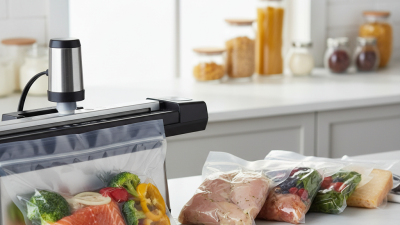
Choosing the right chamber sealer can make a significant difference in your food storage methods. A chamber sealer is designed for vacuum sealing food in a sturdy chamber. This ensures an airtight seal, preserving freshness and extending shelf life.
When searching for the best chamber sealer, consider your specific needs. Think about how often you cook and the types of food you store. Some models are better suited for bulk storage, while others excel with smaller portions. Reflect on the features that matter to you, like ease of use and cleaning.
Not all chamber sealers are created equal. Quality varies greatly between brands. Research user reviews and expert opinions to understand which options are reliable. Spending time on this may save you from future regrets. The right choice will enhance your culinary adventures, while a hasty decision could lead to disappointment.
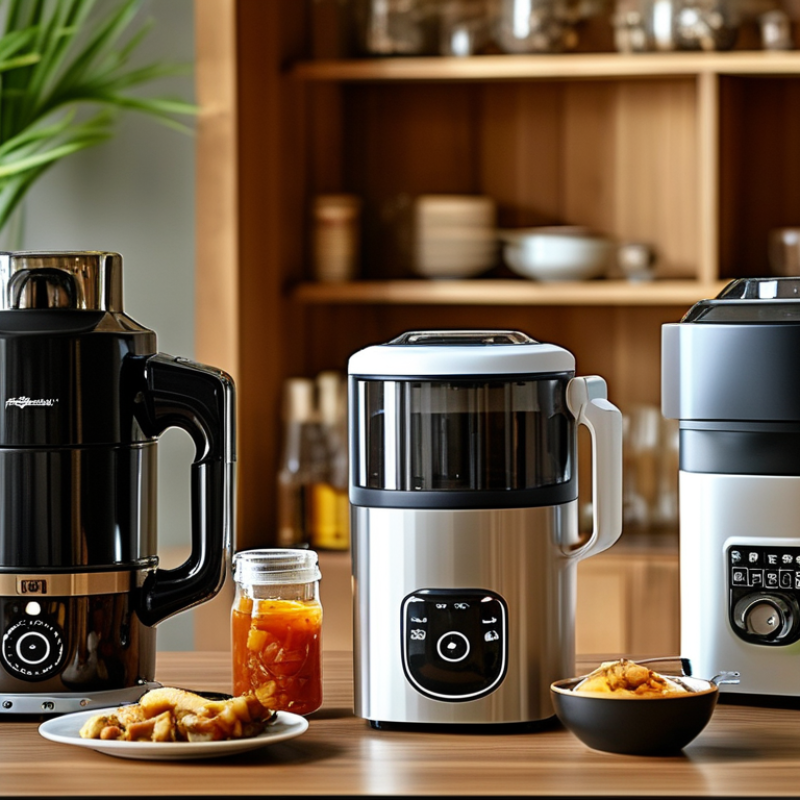
Understanding Different Types of Chamber Sealers and Their Applications
Chamber sealers come in various types, each suited for different applications. A vacuum chamber sealer, for example, removes air from the packaging, which helps preserve food by slowing down spoilage. These sealers excel in vacuuming liquids and solids, making them ideal for marinating meats or sealing soups. They create an airtight seal that protects against freezer burn. However, the learning curve can be steep for beginners.
On the other hand, a suction chamber sealer is more user-friendly. It operates by drawing air through the sealing bags. This type is great for general food preservation and is often more affordable. However, suction sealers may struggle with liquids. Identifying your primary needs is crucial. Will you be sealing wet items frequently? If so, a vacuum chamber may be worth the investment.
Consider the size and capacity of the sealer too. Larger units can handle bigger items and bulk sealing. But they require more space and can be heavy. Potential buyers should assess their kitchen setup before making a choice. It's easy to get dazzled by features, but understanding your specific needs is key to choosing the right model.
How to Choose the Best Chamber Sealer for Your Needs?
| Type of Chamber Sealer | Ideal Applications | Key Features | Pros | Cons |
|---|---|---|---|---|
| Tabletop Chamber Sealers | Home use, small businesses | Compact, user-friendly | Affordable, space-saving | Limited volume, slower sealing |
| Heavy-Duty Chamber Sealers | Commercial kitchens, food production | High capacity, durable construction | Quick sealing, larger bags | Higher cost, bulkier design |
| Vacuum Chamber Sealers with Gas Flushing | Packaging of delicate items | Gas flushing capabilities, customizable settings | Prevents oxidation, maintains quality | Complexity, requires more maintenance |
| Portable Chamber Sealers | Travel, outdoor activities | Lightweight, battery-operated options | Convenience, easy transport | Limited power, lower sealing capacity |
Evaluating Key Features: Vacuum Strength, Seal Width, and Durability
When choosing a chamber sealer, evaluating vacuum strength is crucial. Higher vacuum strength ensures effective air removal, protecting food from spoilage. Consider sealers with adjustable settings to suit different types of food. Not all foods require the same level of vacuuming. Some delicate items might get crushed if too much pressure is applied.
Seal width is another vital feature. A wider seal can provide a better barrier against moisture and air. It can help prevent leaks, which are common in narrower seals. However, a wide seal might take longer to cool down, which can affect efficiency. Think about the size of your typical bags and choose accordingly.
Durability impacts long-term usability. A sturdy sealer can withstand daily use without significant wear. Look for models with robust materials, but be cautious. Sometimes, a heavier duty machine might have unnecessary features. Ensure it aligns with your personal or business needs. Balancing these aspects will lead to a more reliable choice.
Assessing Chamber Sealer Size and Capacity for Your Needs
Choosing the right chamber sealer involves understanding size and capacity. This is crucial for efficiency in vacuum packaging. A report from the Packaging Machinery Manufacturers Institute states that more than 30% of businesses underestimate their volume needs. This can lead to wasted time and resources, affecting overall productivity.
When assessing size, consider your typical batch sizes. Smaller sealers often limit you to single servings, while larger units handle bulk operations. A common mistake is not accounting for future growth. If your output needs increase, your equipment should scale accordingly. Capacity varies widely; some sealers hold only a few bags, while others accommodate much larger quantities.
To maximize your sealer’s utility, examine your workflow. It’s useful to have a sealer that matches your kitchen’s layout. A little extra space for storage can enhance operations.
Using a sealer that aligns with your capacity needs reduces operational hurdles. Invest time to plan before purchasing. That investment pays off in reduced errors and more efficient production. A thoughtfully chosen chamber sealer can drastically improve your packaging process, reflecting well on your business’s commitment to quality and efficiency.
Analyzing Cost-Effectiveness: Initial Investment vs. Long-term Value
When choosing a chamber sealer, you should consider both initial costs and long-term savings. A report from the Food Packaging Association highlights that, on average, high-quality chamber sealers can range from $1,000 to $3,000. While this investment may seem steep, it can significantly improve food preservation, reducing waste by up to 30%. This means less frequent restocking and potentially increased profits for businesses in the food industry.
However, not all chamber sealers are created equal. Some cheaper models might save you money upfront but lead to greater losses down the line. Users have reported that lower-end sealers often struggle with consistent vacuum sealing. This inconsistency may compromise food quality and lead to spoilage. Evaluate both the initial cost and the reliability of the sealing process.
Additionally, investing in a more robust chamber sealer may provide value through improved durability and efficiency. According to industry analysis, spending an extra $500 can yield a 50% increase in sealing efficiency over time. Regular maintenance can further extend the lifespan of these machines. Therefore, while the initial cost is important, the long-term value offered by a reliable chamber sealer should not be underestimated.
How to Choose the Best Chamber Sealer for Your Needs?
This chart analyzes the cost-effectiveness of chamber sealers by comparing the initial investment, annual operating costs, lifespan, and maintenance costs. Understanding these dimensions can help you make an informed decision that balances short-term expenses with long-term value.
Comparing Brand Reputation and Customer Reviews in the Industry
Choosing a chamber sealer begins with understanding brand reputation and customer reviews. Research indicates that 78% of consumers trust online reviews as much as personal recommendations. This statistic highlights the importance of gathering customer feedback before making a purchase. Look for products that consistently receive high ratings for durability and performance. These aspects often correlate with a brand’s longevity in the market.
Customer reviews can reveal a sealer’s reliability. Some users note issues with certain models' vacuum strength. These insights can help avoid potential pitfalls. A good chamber sealer should meet your specific needs while maintaining a solid performance record. Some users may report initial disappointment, which encourages deeper evaluation of the product's features.
When comparing brands, consider their industry presence. Many leading brands have been in the market for over a decade. They typically invest in better technology, providing greater consistency and efficiency. Pay attention to customer service ratings as well. A responsive support team can make all the difference if problems arise.
Purchase decisions should integrate solid reviews and experiences shared by others. Avoid rushing into a choice based solely on price. Finding a balance between cost and quality is essential. Always prioritize trusted sources that display a mix of both expert opinions and user experiences.
Related Posts
-
Top 10 Vacuum Packaging Machines for Home Use in 2023
-
2025 Best Tips for Choosing the Top Rated Vacuum Sealer for Your Needs
-
Top Rated Vacuum Sealer Options to Consider for Your Kitchen?
-
10 Best Chamber Vacuum Sealer Tips for Maximum Freshness and Flavor?
-

Exploring the Best Vacmaster Vacuum Sealer Options in China Top Rankings?
-
Top 10 Benefits of Using a Vacuum Sealer for Food Preservation?

