
Blog
How to Choose a Vacuum Sealer in 2026?
Choosing a vacuum sealer in 2026 requires more than comparing suction power and glossy product photos. The right machine should match your food habits, storage space, and cleaning routine. A home cook sealing dry coffee beans needs different features from someone preserving marinated meat, soft fruit, or weekly meal portions. Small details matter. A weak seal can leave air pockets around sharp bones. A narrow sealing strip may struggle with wider bags. A messy drip tray can quickly become a forgotten hygiene problem.
Douglas Baldwin, author of Practical Guide to Sous Vide Cooking, states, “Vacuum packaging is not a substitute for refrigeration.” That warning remains essential. A vacuum sealer removes air, but it does not make food permanently safe. Buyers should examine seal consistency, moisture control, bag compatibility, overheating protection, and replacement-part availability. Chamber models often handle liquids more neatly, while external models usually cost less and occupy less counter space. Neither type is perfect.
Think beyond the first week of excitement. Will the appliance fit beside your cutting board? Can you clean its gasket without tools? Does it seal a damp salmon fillet without repeated attempts? These practical questions reveal more than impressive wattage numbers. I would also leave room for doubt. Product descriptions can sound precise, yet real performance changes with bag thickness, food shape, and user technique. A reliable vacuum sealer should make ordinary preparation easier, not create another delicate appliance to manage. This guide examines those trade-offs clearly, so your final choice reflects daily use rather than marketing pressure.
Define Your Vacuum Sealing Needs and Usage Scenarios
How to Choose a Vacuum Sealer in 2026?
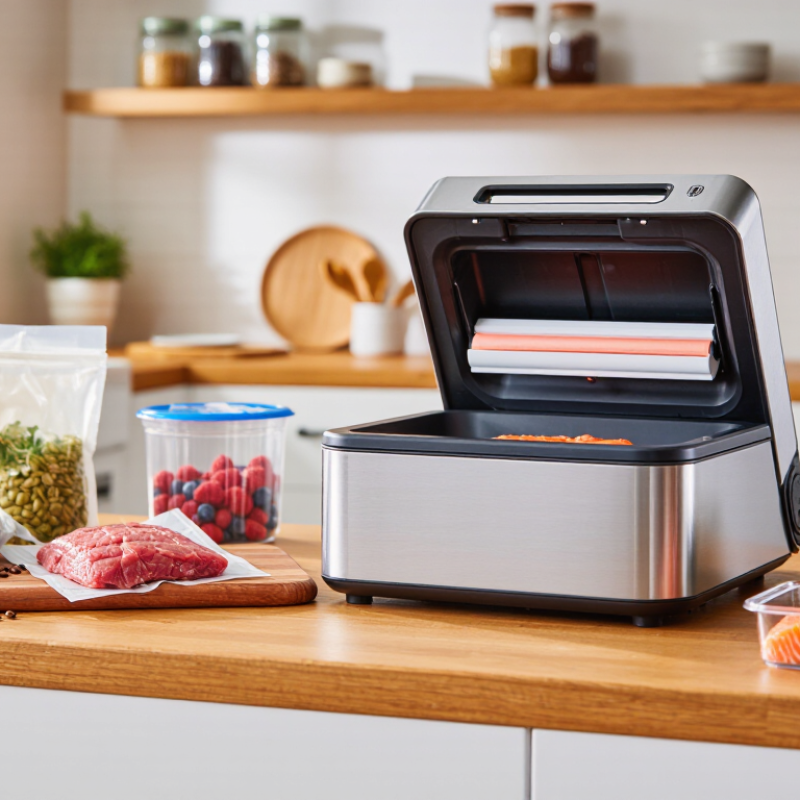
Define your actual sealing needs before comparing suction power or glossy specifications. The UNEP Food Waste Index Report 2024 estimates that households wasted 631 million tonnes of food in 2022. Better storage can help, but only when your routine supports it. Do you seal family-sized meat portions, weekly meals, coffee, or dry pantry foods? A small external-suction machine may suit occasional use. Frequent sealing of moist foods needs stronger liquid control and washable parts. A chamber-style machine offers cleaner results for soups and marinades, but it costs more and occupies valuable counter space. Measure that space first. It sounds obvious.
Match the machine to your handling habits. USDA FoodKeeper guidance still requires refrigerated or frozen storage for most vacuum-sealed perishables. Vacuum sealing is not sterilization. Keep chilled food at 4°C or below, and freeze portions you will not use soon. For sous vide cooking, choose heat-resistant bags and consistent seals. For delicate berries or bread, adjustable suction prevents crushing. Smithers’ packaging research continues to identify extended shelf life as a major vacuum-packaging driver, yet household results vary with freshness, temperature, and sealing technique. My own mistake was buying a powerful unit before checking bag costs. The machine worked, but frequent replacement rolls made it inconvenient. Track your weekly volume, bag consumption, cleanup time, and food types for two weeks. Then choose performance you will actually use.
Compare Vacuum Sealer Types, Features, and Sealing Methods
How to Choose a Vacuum Sealer in 2026?
Choosing a vacuum sealer in 2026 starts with the sealing method, not the display. External edge sealers remove air through a bag’s open edge, then apply heat. They suit dry foods, portions, and occasional freezer storage. Chamber sealers remove air from the whole chamber, making them better for soups, marinades, and delicate foods. Handheld models save drawer space, but their suction and bag compatibility can be limited. Small details matter. Grand View Research valued the global vacuum packaging market at about $29.7 billion in 2023 and expects continued growth through 2030. That growth shows demand, not proof that every kitchen needs a chamber machine.
Compare practical features before buying. Check the maximum bag width, adjustable vacuum strength, pulse control, and sealing time. A double seal is useful for moist food and rough freezer handling. A removable drip tray also makes cleaning less frustrating. I still test one spare bag before sealing a full batch; advertised settings can behave differently with thin film. The U.S. Department of Agriculture warns that vacuum packaging does not sterilize food or replace refrigeration. Keep chilled products cold, and follow the storage limits provided by reliable food-safety guidance.
For frequent liquid sealing, choose a chamber model with adjustable pressure. For weekly leftovers, an external model usually offers better value and simpler storage. Bags should match the sealing system, because texture and thickness affect seal strength. This is where many comparisons become too confident. A stronger pump is not automatically the better choice.
Evaluate Bag Compatibility, Suction Power, and Seal Quality
How to Choose a Vacuum Sealer in 2026?
Evaluate Bag Compatibility, Suction Power, and Seal Quality
Start with the bags, not the machine. Check the maximum bag width and confirm whether it accepts textured rolls or pre-cut bags. Smooth bags may fail in external sealers because air cannot escape properly. Some models handle reusable containers, but compatibility claims deserve careful testing. Place a dry towel inside the bag and run one cycle. If the edges wrinkle badly, the fit is poor.
Suction power matters, but the highest number is not always the best choice. Look for consistent airflow, adjustable vacuum control, and a setting for moist foods. Strong suction can crush berries, bread, or delicate herbs. I once used maximum power on soft peaches and created a very unattractive result. A gentler setting would have worked better. Short cycles can also reduce liquid movement toward the pump.
Inspect the seal closely. It should look flat, continuous, and free from bubbles or thin gaps. A wider heat strip usually gives more tolerance, especially when the bag opening contains a little moisture. Let the seam cool before pulling it lightly by hand. Repeat the test with a folded paper towel inside. If air returns overnight, the problem may involve temperature, pressure, or bag placement. No machine is perfect. Even experienced users sometimes seal too close to the food and blame the equipment.
How to Choose a Vacuum Sealer in 2026? — Evaluate Bag Compatibility, Suction Power, and Seal Quality
| Evaluation Dimension | Basic External-Suction Sealer | Standard External-Suction Sealer | Advanced External-Suction Sealer | What to Check Before Buying |
|---|---|---|---|---|
| Compatible Bag Type | Textured or embossed vacuum bags and rolls | Textured or embossed vacuum bags and rolls | Textured or embossed bags, rolls, and selected reusable containers | External suction sealers generally require air channels in the bag surface. Smooth chamber-vacuum bags usually need a chamber machine. |
| Maximum Bag Width | Approximately 20–28 cm | Approximately 28–30 cm | Approximately 30–40 cm | Choose a sealing bar wider than the largest portion or storage bag you plan to use. |
| Typical Vacuum Level | Approximately −0.6 to −0.75 bar | Approximately −0.7 to −0.85 bar | Approximately −0.8 to −0.95 bar | Higher vacuum is useful for dense foods, but delicate foods may need a pulse or manual-control function. |
| Airflow or Pump Capacity | Approximately 4–8 L/min | Approximately 8–15 L/min | Approximately 15–30 L/min | Airflow affects evacuation speed; it does not alone determine final vacuum or seal strength. |
| Sealing Bar Configuration | Single sealing wire | Single sealing wire, sometimes with adjustable heat | Double sealing wire or heavy-duty adjustable sealing system | Double seals provide extra protection against leaks, especially for moist or sharp-edged contents. |
| Typical Seal Width | Approximately 2–3 mm | Approximately 2.5–4 mm | Approximately 3–5 mm | A wider, even seal is generally more tolerant of small wrinkles and minor moisture contamination. |
| Seal-Time Control | Preset automatic cycle | Adjustable sealing time or dry/moist modes | Adjustable sealing time, temperature, and pulse settings | Adjustability helps match the heat to bag thickness and material structure. |
| Bag Thickness Compatibility | Common household multilayer bags, approximately 70–100 microns per side | Common household bags, approximately 70–150 microns per side | Household and heavier-duty bags, approximately 90–200 microns per side | Confirm the manufacturer’s stated thickness range; excessive heat can damage thin bags. |
| Moist-Food Handling | Limited; liquid may be pulled toward the pump | Suitable with a moist mode and proper bag positioning | Better control with pulse, moist mode, drip protection, or removable liquid tray | Pre-freeze liquid-rich foods or use short manual cycles to reduce liquid entering the suction channel. |
| Delicate-Food Control | Usually limited to manual stop | Pulse or manual vacuum function commonly available | Fine pulse control and adjustable vacuum duration | Pulse control helps protect bread, soft fruit, pastries, and other easily crushed foods. |
| Continuous-Use Capacity | Usually 5–10 cycles before a cooling pause | Usually 10–20 cycles before a cooling pause | Often 20 or more cycles, depending on motor and seal-bar design | Check the recommended duty cycle if you plan to package large quantities in one session. |
| Seal Consistency | Acceptable for occasional dry-food use | Good for routine household use when the bag is flat and dry | Best suited to frequent use and thicker bags when temperature control is stable | Inspect for a continuous, wrinkle-free seal with no gaps, scorching, or channels. |
| Recommended Use Case | Dry snacks, small portions, and occasional storage | Meat, fish, vegetables, meal portions, and regular home use | Bulk food preparation, frequent sealing, larger portions, and demanding bag materials | Match performance to usage frequency rather than choosing the highest suction rating alone. |
| Essential Safety and Maintenance Features | Overheat protection and removable sealing cover | Overheat protection, drip tray, and easy-clean gasket | Overheat protection, removable liquid tray, replaceable gasket, and accessible pump filter | Easy cleaning and replaceable wear parts can extend service life and maintain sealing performance. |
| Best Overall Choice | Users prioritizing low cost and occasional dry-food storage | Most households needing balanced bag compatibility, suction, and seal quality | Frequent users who need stronger control, faster cycles, and more durable sealing | For general use, prioritize adjustable sealing time, moist-food control, a wide sealing bar, and readily available compatible bags. |
Check Ease of Use, Cleaning, Safety, and Storage Requirements
When choosing a vacuum sealer in 2026, test how easily you can operate it with one hand. Clear controls, a visible sealing bar, and automatic pressure adjustment reduce mistakes. A pulse setting helps protect soft bread, berries, and delicate herbs. Strong suction is useful, but control matters more for everyday cooking. Keep it simple.
Cleaning deserves equal attention.
Look for a removable drip tray and smooth surfaces without deep grooves. After sealing marinated food, wipe the tray immediately with a damp cloth. Never ignore liquid near electrical parts. I have found that a machine is less useful when cleaning takes longer than meal preparation. That small frustration adds up.
Safety features should include overheating protection, secure lid locking, and clear instructions for cooling intervals. Choose bags made for heat sealing and follow the storage guidance for each food. A compact design fits better in a shallow cabinet, especially with a detachable cord or upright storage option. Measure your shelf first. I once bought equipment that worked well but stayed on the counter because its lid needed extra clearance. Check replacement parts and sealing-strip access before purchasing. Reliable documentation and recognized electrical certification in your market also provide useful reassurance.
Balance Budget, Durability, Warranty, and Long-Term Value
How to Choose a Vacuum Sealer in 2026?
A vacuum sealer should match your routine, not just your budget. In my kitchen, I test machines with moist foods, dry goods, and thick freezer bags. A low-cost model may perform well at first, but weak seals can waste bags and food. Check the pump’s vacuum level, sealing width, cycle speed, and compatibility with replacement rolls. Small details matter.
Durability often appears in ordinary use. Does the lid close firmly? Does the sealing strip remain even after repeated cycles? Look for heat-resistant parts, washable drip trays, and clear controls. I once chose a compact machine because it was inexpensive and easy to store. Its seal weakened after several months. That experience changed how I judge value.
Warranty terms deserve careful reading. A longer warranty is useful only when it covers the sealing system, labor, and practical repairs. Confirm who pays shipping and whether replacement parts are available. A slightly higher purchase price may be reasonable if the machine lasts longer and uses fewer bags. Still, durability claims can be difficult to verify. Read independent testing, inspect user reports for repeated failures, and keep your expectations realistic. No machine is perfect.
Related Posts
-
What Are the Top 10 Best Vacuum Sealers for Global Buyers?
-
How to Choose the Best Vacuum Sealer in 2026?
-
China Top Vacuum Sealer Machine Manufacturers Guide
-
2026 Best Vacuum Food Sealer Machine for Global Buyers
-
How to Choose the Best Vacmaster Vacuum Sealer for Your Needs?
-
2026 Best Commercial Vacuum Sealer Machine for Buyers