
How to Choose the Best Vacuum Sealer in 2026?

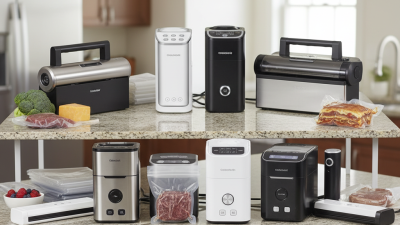
Choosing the best vacuum sealer in 2026 requires more than comparing suction power and online ratings. A reliable decision should connect household experience with verified industry evidence. Grand View Research reports that the global vacuum packaging market was valued at approximately USD 29.6 billion in 2022, with continued growth expected through 2030. This broader category includes commercial equipment, films, and bags, not only countertop appliances. That distinction matters.

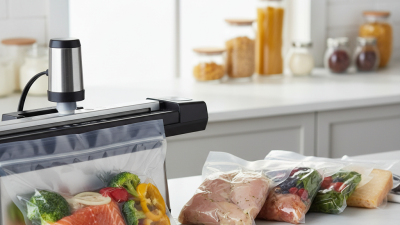
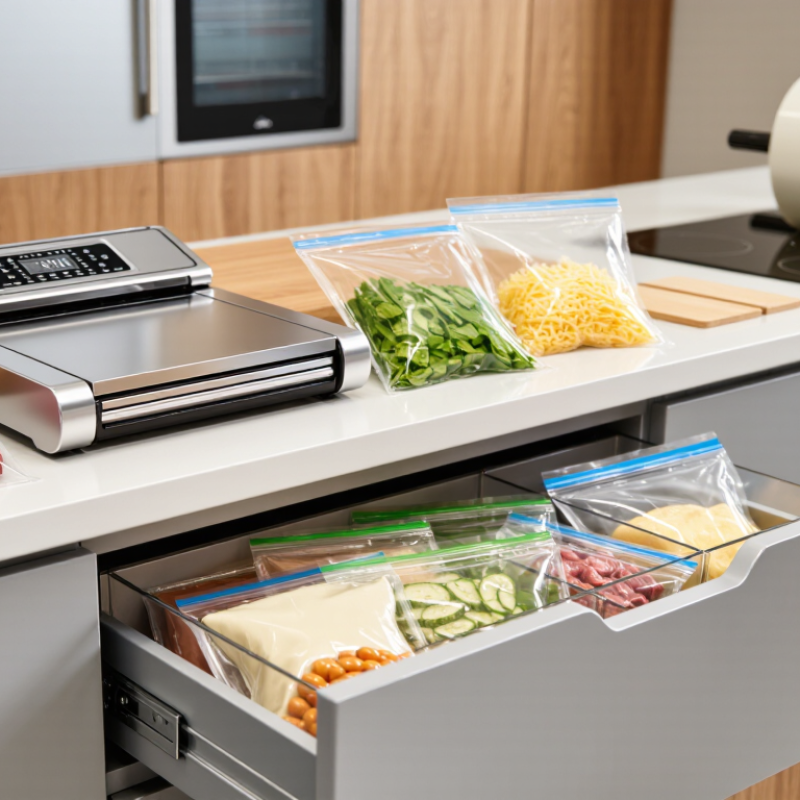
Look closely at real kitchen conditions. A good vacuum sealer should remove air evenly from a soft steak package, seal damp vegetables without liquid entering the pump, and store neatly in a crowded drawer. The Consumer Reports testing approach also reminds buyers to examine usability, noise, durability, and cleaning effort, rather than trusting one impressive specification. Strong suction is useful. It is not everything. The Food Safety and Inspection Service states that vacuum packaging does not replace refrigeration or safe food handling. Therefore, temperature control, storage time, and clear date labels remain essential.

Industry reports can guide the market view, but they cannot choose a machine for every home. Future Market Insights and MarketsandMarkets describe expanding demand for vacuum packaging, driven by food preservation, convenience, and reduced packaging waste. However, some forecasts combine industrial and domestic products, making direct comparisons imperfect. This guide evaluates vacuum sealer performance through practical criteria: sealing consistency, bag compatibility, moisture control, maintenance, warranty support, and long-term operating cost. A cheaper machine may become expensive after repeated bag failures. The best choice is not always the strongest model. It is the model that fits your food habits, counter space, budget, and willingness to maintain it.
How to Choose the Best Vacuum Sealer in 2026?

Understanding Vacuum Sealer Types and Their Core Functions

How to Choose the Best Vacuum Sealer in 2026?

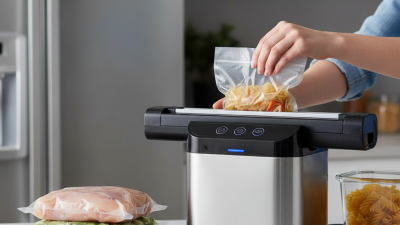
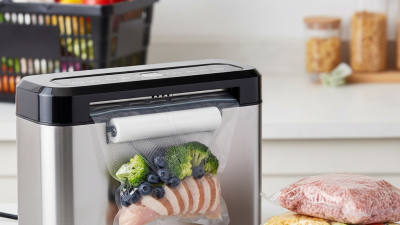
Choosing a vacuum sealer starts with understanding its type, not its appearance. The main options are external suction, chamber, and handheld sealers. External suction models work well for dry foods, meat portions, and everyday freezer storage. They remove air from textured bags, then create a heated seal. Chamber sealers handle liquids better because the entire bag sits inside the chamber. They are usually larger and less convenient for small kitchens. Handheld sealers suit jars, containers, and quick leftovers. Their vacuum strength can vary, however.

Core functions deserve close attention. Look for adjustable suction, pulse control, sealing time, and a reliable double-seal setting. A removable drip tray makes cleaning less frustrating after sealing marinated food. Moisture detection is useful, but it should not replace careful preparation. A wide sealing strip can improve durability, especially with sharp-edged frozen food.

Vacuum sealing does not replace refrigeration or freezing. That point is easy to forget.

Tips: Test the sealer with a small portion first. Leave enough space above the food for a clean seal. Flatten soft foods before removing air. For soups, freeze them in a tray before sealing. Check the seal after cooling.

A perfect vacuum is not always necessary; crushing bread or delicate fruit can waste food. I once focused too much on maximum suction and damaged several soft portions. Moderate pressure often works better. Judge the machine by control, cleaning effort, and results over time.

Matching Sealing Modes to Different Food Storage Needs

Choosing the best vacuum sealer in 2026 starts with matching the sealing mode to the food. Dry mode suits rice, coffee, flour, and firm vegetables. It removes air quickly without pulling loose particles into the seal. Moist mode works better for marinated meat, fish, and blanched vegetables. Its longer sealing cycle helps manage liquid near the bag opening. For fragile foods, pulse mode offers better control. Press briefly, inspect the texture, and repeat when needed.

Food waste makes this choice practical, not cosmetic. The UNEP Food Waste Index Report 2024 estimated 1.05 billion tonnes of food were wasted in 2022. A reliable seal can protect portions, but it cannot replace refrigeration. USDA FSIS guidance still requires vacuum-packed perishable foods to stay chilled and follow safe storage times. Use a canister mode for berries, sliced bread, or delicate pastries. The container prevents crushing. It also leaves fewer wrinkles on soft surfaces.

Test the seal with a damp cloth nearby. A small leak can spread unnoticed. I would avoid choosing the strongest setting every time. It may flatten berries or force liquid into the pump channel. That mistake is easy to make. Cut bags with a clean, dry edge, leave about eight centimeters of headspace, and label the packing date. Results vary with bag texture and food temperature, so one trial deserves reflection rather than blind repetition.

The chart rates how well each sealing mode matches common food-storage needs on a 1–5 scale. Dry mode is best for solid, low-moisture foods; moist mode is suited to fresh meat and prepared foods; pulse mode helps protect soft foods; and canister mode is useful for delicate or crushable items.

Evaluating Suction Power, Seal Quality, and Operating Speed

How to Choose the Best Vacuum Sealer in 2026?

Suction power matters, but higher numbers do not always mean better performance. In practical kitchen tests, strong suction removed air quickly from smooth bags and firm food. However, delicate bread and soft fruit can be crushed. Look for adjustable suction settings and a gentle mode. A clear lid also helps you watch liquid movement before it reaches the pump.

Seal quality protects food after the air is removed. The seal should look even, flat, and continuous, without wrinkles or damp spots. I test each bag by pressing gently along the sealed edge. If air returns overnight, the seal may be weak. Once, I blamed the machine, but the real problem was a wet bag opening. That mistake changed how I evaluate performance.

Tips: Dry the bag opening carefully. Leave enough space above the food. Use double seals for sharp bones or long storage. For speed, compare the full cycle, not just the pumping time. A machine that seals quickly may overheat during repeated batches. Check its cooling pauses and storage position. I also prefer simple controls, though my first choice was influenced too much by appearance. Hands-on testing is less glamorous, but more reliable.

Comparing Bag Compatibility, Maintenance, and Safety Features

How to Choose the Best Vacuum Sealer in 2026?

Bag compatibility should guide your decision. Some sealers accept only textured bags, while others handle smooth rolls or reusable containers. Check the manual before buying accessories. A narrow sealing channel may struggle with thick freezer bags.

I once assumed every heat-safe bag would work. That assumption was wrong. The seal weakened near folded corners.

Choose bags that match the machine’s approved material and thickness. For frequent meal preparation, adjustable bag lengths can reduce waste and improve consistency.

Maintenance affects sealing quality and food safety. Wipe the sealing strip after spills, especially when sealing marinades. Remove crumbs from the vacuum channel with a soft, dry cloth. Avoid soaking electrical parts.

Replace worn gaskets when air returns inside sealed bags. This problem can be subtle. A clean machine is not automatically a safe machine.

Refrigerate or freeze perishable food promptly, because vacuum sealing does not replace temperature control. Follow tested storage guidance rather than trusting appearance alone.

Tips:

Leave space above the food.
Keep the bag mouth dry.
Smooth wrinkles before sealing.
Double-seal sharp foods, such as bones or hard pasta edges.
Test one seal before preparing several portions.

Look for a lid-lock indicator, overheating protection, and a manual stop button. These features help prevent burns and accidental over-vacuuming.

I still inspect every seal by hand, even when the machine reports success.

Balancing Price, Durability, and Long-Term Kitchen Value

Choosing a vacuum sealer in 2026 means judging more than its sticker price. A low-cost unit may seem attractive, but weak seals can waste bags and food. In my kitchen, I value a consistent seal more than a fast cycle. The edge should feel smooth, and the lid should close without forcing it. Small details matter.

For durability, inspect the sealing bar, hinge, gasket, and removable drip tray. These parts face heat, pressure, moisture, and repeated handling. A replaceable gasket can extend service life, while a complicated control panel may create another failure point. Look for clear operating instructions, accessible cleaning guidance, and a warranty with practical coverage. Those are reliability signals.

Price should be compared with ongoing costs, not just purchase price. Estimate bag use, replacement parts, electricity, and the value of food saved. A cheaper sealer becomes expensive if it needs double sealing or leaves air pockets around frozen meals. I have made that mistake. My mistake. Choose settings that match your habits, such as pulse control for delicate foods and stronger cycles for dense portions. Still, no machine prevents careless preparation; wet rims and overfilled bags defeat good equipment. That part remains mine.