

Blog
7 Best Chamber Vacuum Sealer Bags for Food Storage
Food waste often begins with small failures: a loose seal, freezer burn, or forgotten leftovers. USDA estimates that 30–40% of the U.S. food supply is lost or wasted. Better storage cannot prevent every loss, but a dependable seal can help protect portions from air exposure and freezer damage.
Choosing chamber vacuum sealer bags takes more than comparing pack prices. Bag thickness, seal strength, material compatibility, and size all affect everyday use. A bag that fits neatly around a salmon fillet may be awkward for soup portions or sliced vegetables. Chamber machines can package liquids and moist foods more easily than many external vacuum sealers, but the bags still need to suit the machine and the intended storage conditions. Small details matter.
Safety matters more. USDA Food Safety and Inspection Service guidance makes clear that vacuum packaging does not replace refrigeration or freezing. It also does not make food shelf-stable. Keep perishable foods cold, follow safe handling advice, and use the storage instructions for each product. These are practical safeguards, not fine print.
This guide compares seven chamber vacuum sealer bags by material, durability, sizing, and value. The aim is to help you match a bag to real kitchen tasks, from sealing a roast for the freezer to portioning marinated vegetables. Performance can vary with the sealer and the food itself. That limitation deserves a mention. A lower-cost bag may work perfectly for dry goods, yet disappoint with sharp bones or repeated handling. We’ll point out those trade-offs so you can choose with clearer expectations.
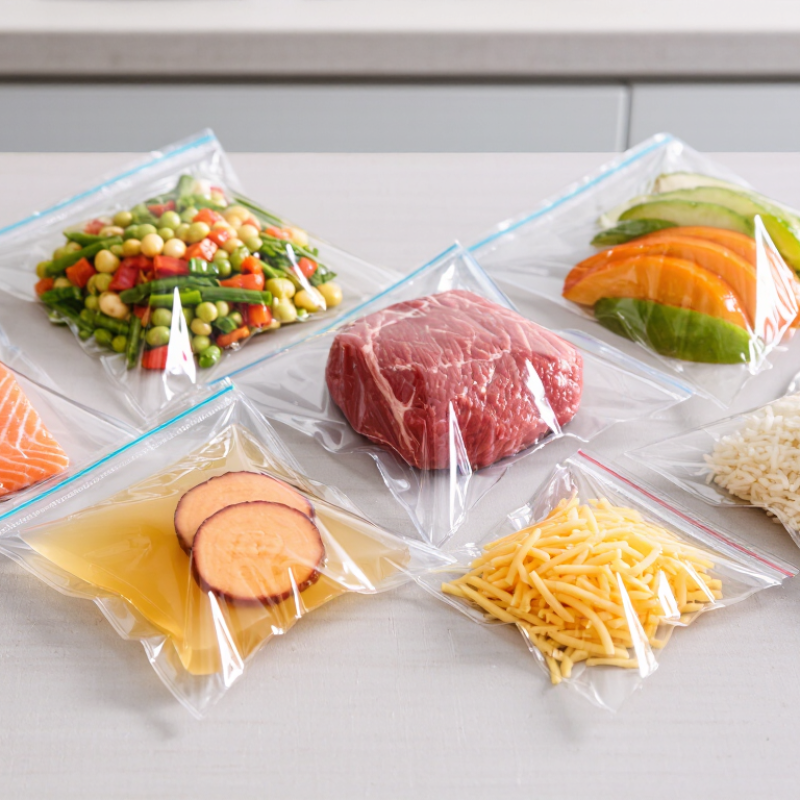
How Chamber Vacuum Sealer Bags Help Preserve Food
Chamber vacuum sealer bags help preserve food by removing much of the air around it. Less oxygen slows oxidation, which can dull flavor and discolor foods such as sliced apples or cooked meat. A tight seal also limits moisture loss in the freezer, helping prevent dry, pale patches known as freezer burn. It is useful protection, not a time machine.
Vacuum sealing does not kill bacteria or make food safe at room temperature. USDA Food Safety and Inspection Service guidance says refrigerated leftovers generally keep for 3–4 days; frozen leftovers are best used within 3–4 months for quality. Sealing may help protect texture during freezing, but it does not replace safe chilling. Cool food promptly, keep it refrigerated or frozen, and follow reliable storage guidance. I still label each bag with its contents and date; it takes seconds and avoids guesswork later.
Tips: Use bags made for chamber sealers, and check that the seal is flat and complete. Pat damp food dry, leave room at the top, and freeze soft foods briefly before sealing. For soups, chill them first. Small details matter.
7 Best Chamber Vacuum Sealer Bags for Food Storage — How Chamber Vacuum Sealer Bags Help Preserve Food
| Bag Type | Typical Thickness | Best For | Storage Suitability | How It Helps Preserve Food |
|---|---|---|---|---|
| Standard smooth chamber bags | About 3–4 mil (76–102 microns) | Everyday portions of meat, cheese, vegetables, and dry foods | Refrigerator, freezer, and pantry when appropriate for the food | The sealed, low-air package helps reduce exposure to oxygen and moisture loss. Smooth bags are designed for chamber machines and do not need embossed channels. |
| Heavy-duty chamber bags | About 4–5 mil (102–127 microns) | Bone-in cuts, foods with firm edges, and frequent handling | Especially useful for freezer storage | The thicker film provides added resistance to punctures and handling damage, helping the package remain intact during storage. |
| Small portion-size bags | About 3–4 mil (76–102 microns) | Single servings, snacks, herbs, and small recipe portions | Refrigerator or freezer; pantry for suitable dry goods | Portioning food into smaller packages makes it easier to open only what is needed and limit repeated exposure of the remaining food. |
| Wide-format bags | About 3–4 mil (76–102 microns) | Large roasts, broad fillets, and bulky food portions | Refrigerator or freezer, depending on the food | A bag sized to the food can help create a complete seal without excessive folding or compression that could interfere with sealing. |
| High-barrier bags | Commonly around 3–4 mil (76–102 microns); check the product specification | Foods where limiting oxygen and moisture transfer is important | Freezer or pantry use when the bag is rated for that application | Multilayer films, often incorporating polyamide and polyethylene, are designed to provide a barrier to gases and moisture. Barrier performance varies by construction. |
| Boilable or sous-vide-rated bags | Varies by construction; follow the stated temperature rating | Foods intended for controlled water-bath cooking or reheating | Use only within the bag’s stated time and temperature limits | A suitable heat-rated bag can stay sealed during cooking, helping keep water out and juices in. Ordinary vacuum bags should not be assumed to be boilable. |
| Pre-cut chamber bags | Commonly around 3–4 mil (76–102 microns) | Quick packing of regularly sized portions | Choose a bag rated for the intended refrigerator, freezer, or pantry use | Factory-cut, open-ended bags are ready to fill and seal, making it easier to portion foods consistently and reduce handling before storage. |
Thickness and barrier properties vary by bag construction. Use food-contact bags compatible with your chamber sealer, leave enough open material for a clean seal, and follow food-safety guidance for storage temperatures and times. Vacuum sealing does not replace refrigeration or freezing when those are required.
Related Posts
-
Best Chamber Vacuum Bags for Bulk Buyers in 2026?
-
2026 Top Chamber Vacuum Sealer Bags for Global Sourcing
-
China Top 10 Vacuum Seal Bags Manufacturers?
-
10 Best Chamber Vacuum Sealer Tips for Maximum Freshness and Flavor?
-
Why Use a Vacuum Sealer for Food Storage?
-
2025 Guide: How to Choose the Best Vacuum Sealer for Your Needs