
Why Use a Vacuum Sealer for Food Storage?

Why Use a Vacuum Sealer for Food Storage?

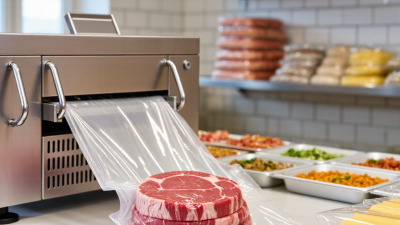
A vacuum sealer removes air from specially designed bags, then creates a tight seal around the food. Less air can slow oxidation, moisture loss, freezer burn, and odor transfer. This matters when salmon sits beside frozen berries, or when sliced cheese dries inside a crowded refrigerator.

Food-safety specialist Meredith Carothers of the USDA explains, “Vacuum packaging is not a substitute for refrigeration or freezing.” That warning should guide every storage decision. A vacuum sealer protects quality, but it does not make perishable food shelf-stable. Cold storage remains essential, and clean handling still matters.

The practical benefits are easy to see. A sealed steak keeps a firmer surface after freezing. Coffee beans retain more aroma. Bulk vegetables occupy less space when flattened carefully. Portioning also becomes simpler because each package can hold one meal, not an oversized block.

Still, vacuum sealing is not magic. Some soft foods can crush, and sharp bones may puncture the bag. Moist foods can pull liquid toward the machine, creating a messy seal. I have also found that people often seal too much food at once, then forget the date. That habit weakens the system.

Good storage needs labels, realistic portions, and suitable temperatures. The best vacuum sealer is only one part of a careful routine. When used thoughtfully, it can reduce waste, improve organization, and preserve texture for longer. The goal is not merely removing air. It is making food storage more visible, controlled, and dependable.
Why Use a Vacuum Sealer for Food Storage?

What Is Vacuum Sealing and How Does It Work?

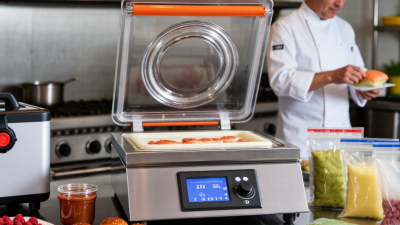
Vacuum sealing removes air from a specially designed bag, then closes it with a heat seal. A pump lowers the pressure around the food. Less oxygen slows oxidation, surface drying, and the growth of many aerobic microorganisms. It does not sterilize food. That distinction matters.

In my kitchen trials, berries stayed less wrinkled, while sharp bones sometimes pierced the plastic. The result depends on food moisture, seal quality, and storage temperature. The USDA Food Safety and Inspection Service warns that vacuum-packed foods still require refrigeration because low-oxygen conditions can support dangerous bacteria if handling fails. The FDA Food Code 2022 also treats reduced-oxygen packaging as a controlled process, not casual shelf storage. Cold storage remains essential.

The environmental case is practical, but not perfect. UNEP’s Food Waste Index Report 2024 estimated 1.05 billion tonnes of food were wasted in 2022 across households, food service, and retail. Vacuum sealing may protect leftovers and portioned meat from freezer burn, reducing avoidable waste. However, extra plastic creates another burden, especially when bags are discarded after one use. I would label every package with the sealing date, contents, and freezing date. Flat portions cool faster. Leave room for expansion. A weak seal can look successful until air returns overnight. For high-moisture foods, pre-freezing often gives cleaner seals and fewer leaks.

How Vacuum Sealing Helps Preserve Food Quality

Vacuum sealing protects food quality by removing much of the oxygen around it. Less oxygen slows oxidation, surface browning, and the stale odors found in open packages. Cheese keeps a cleaner aroma, while sliced meat shows fewer dry, gray edges. In practical kitchen use, a tight seal also prevents freezer air from reaching moist food surfaces.

The numbers explain why this matters. The FAO’s 2019 State of Food and Agriculture report estimated that 14% of food is lost between harvest and retail. Better packaging cannot solve every loss, but it can reduce avoidable damage during storage. The USDA recommends keeping refrigerated foods at 40°F (4°C) or below, and frozen foods at 0°F (-18°C). Vacuum sealing supports those temperatures; it does not replace them.

Cold storage remains essential. Always chill perishable food promptly, inspect the seal, and leave space between warm packages. Vacuum packaging can create a low-oxygen environment where certain harmful bacteria may grow if temperature control fails, according to USDA food-safety guidance. That detail is easy to miss. A bag may look fresh while quality has already declined. Sealing delicate berries too tightly can also crush them, so rigid containers or gentle pressure settings may work better. My own handling would improve with clearer labels: package date, food name, and intended use should be visible before the freezer becomes crowded.

Which Foods Benefit Most from Vacuum Storage?

Why Use a Vacuum Sealer for Food Storage?

Which Foods Benefit Most from Vacuum Storage?

Vacuum storage helps foods that lose quality through air exposure, moisture, or freezer burn. Fresh meat, poultry, and fish benefit greatly when divided into meal-sized portions. Removing air protects their surface from icy patches and dull flavors. Chill these foods promptly, then refrigerate them below 4°C (40°F) or freeze them. A vacuum sealer does not make raw food sterile.

Hard cheeses also store well in sealed bags. Their texture stays firmer, and exposed edges dry more slowly. Coffee beans, nuts, flour, and dried herbs can retain their aroma longer when stored away from oxygen. Keep these items in a cool, dark cupboard. Crushing delicate foods remains a risk.

Some fruits and vegetables need more care. Firm produce, such as carrots or green beans, may benefit after blanching and cooling. Soft berries can become crushed under strong suction, so freezing them first works better. I have found that portion size matters more than maximum suction. A large, tightly packed bag often becomes inconvenient and wasteful.

Do not vacuum-seal warm food. Steam can create leaks and encourage unsafe cooling. Avoid sealing foods with visible spoilage, excess liquid, or uncertain freshness. Certain low-acid foods require strict refrigeration or freezing because oxygen-free conditions can support dangerous bacteria. Leave room around sharp bones, inspect seals regularly, and label each package with its date. My early mistake was trusting a perfect seal too much. Quality improved, but safe handling still did the real work.

How to Vacuum Seal Food Safely and Effectively

Vacuum sealing removes much of the air around food, helping reduce freezer burn, odors, and moisture loss.

It does not make food shelf-stable. Safe storage still depends on clean handling, correct temperatures, and sensible storage times.

Keep chilled foods at 4°C (40°F) or below, and freeze food when you cannot use it soon.

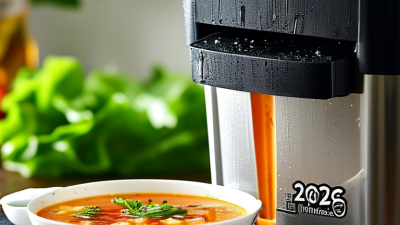
My early mistake was sealing warm soup.

The bag cooled slowly, and I later learned this could encourage bacterial growth. Cool cooked food quickly in shallow containers before sealing it.

Wash your hands, utensils, and work surfaces. Use strong, leak-free bags, and leave enough space near the opening for a proper seal.

Check the package afterward. A weak seal is not safe enough.

Label every bag with its contents and date. Store raw meat separately from ready-to-eat foods.

Thaw sealed food in the refrigerator, never on the kitchen counter. Do not rely on smell alone; harmful bacteria may leave no obvious warning.

If a bag looks swollen, leaks, or feels unusually slimy, discard it without tasting.

Vacuum sealing is useful, but I still treat it as one part of food safety, not a replacement for refrigeration, freezing, or careful cooking.

Limitations, Risks, and Proper Storage Practices

Why Use a Vacuum Sealer for Food Storage?

A vacuum sealer removes much of the air around food. This can reduce freezer burn, slow oxidation, and protect dry foods from moisture. It also saves space. Flat bags of soup stack neatly, while portioned meat thaws faster. However, vacuum sealing does not sterilize food or make it shelf-stable.

The main risk involves moist, low-acid foods stored without enough cold. Reduced oxygen can support dangerous bacteria, including those that produce toxins without changing smell or appearance. Never keep vacuum-sealed meat, fish, cooked vegetables, or soft cheese at room temperature. Refrigerate them promptly, or freeze them. Follow tested storage times, not guesswork. When uncertain, discard the food.

Keep the sealing area dry and clean. Remove sharp bones or cover them before sealing. Cool cooked food quickly in shallow containers before packaging. Label each bag with the food and date. Use small portions, and leave space for expansion during freezing. Inspect packages for leaks, swelling, broken seals, or unusual liquid. Do not taste questionable food. A bad smell is not required for danger.

In my view, the weakest habit is trusting a perfect seal too much. A tight bag can hide poor handling. One forgotten package at the back of a refrigerator can become a quiet risk. Vacuum sealing works best as one step within careful refrigeration, freezing, hygiene, and regular stock checks.

Why Use a Vacuum Sealer for Food Storage?

Vacuum sealing can reduce air exposure, freezer burn, spills, and oxidation, but it does not make perishable food shelf-stable or eliminate pathogens. Keep refrigerated food at 40°F (4°C) or below and frozen food at 0°F (-18°C) or below.

The chart shows the maximum recommended refrigerator storage time for common foods. Vacuum-sealed food should still follow these limits unless it is frozen. Low-oxygen packaging can create conditions that support the growth of certain anaerobic bacteria, including the bacteria associated with botulism, if temperature control is inadequate.

  • Refrigerate or freeze vacuum-sealed perishables promptly; do not leave them at room temperature for more than 2 hours, or 1 hour above 90°F (32°C).
  • Use a refrigerator thermometer and maintain 40°F (4°C) or below.
  • Label packages with the food name and sealing date, and thaw food in the refrigerator, cold water, or a microwave—not on the counter.
  • Follow the manufacturer’s instructions when using vacuum-sealing equipment and never rely on vacuum sealing to make unsafe food safe.

Storage-time guidance is based on USDA refrigerator-storage recommendations for foods kept at 40°F (4°C) or below.