Why Choose an Industrial Vacuum Sealer?
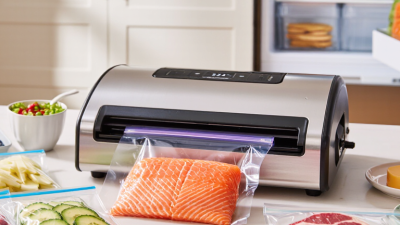
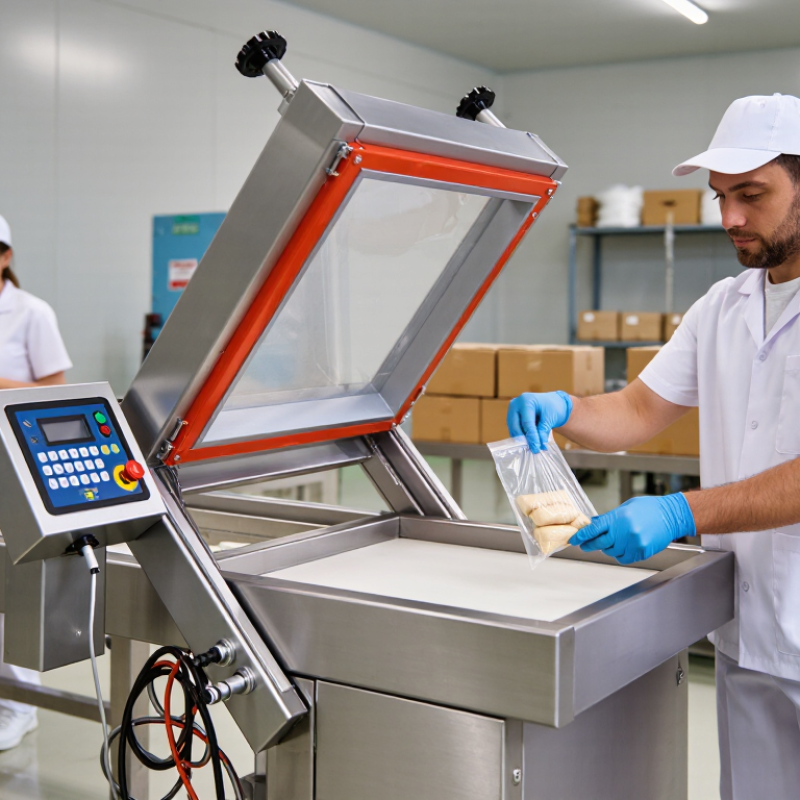
Choosing an industrial vacuum sealer is a practical decision for businesses that package food, components, or other suitable products in steady volumes. In a working facility, the difference is visible: operators load bags, position the open ends, and monitor the seal cycle while cartons wait nearby. A machine built for repeated use may help maintain a more consistent workflow than equipment intended for occasional household tasks. That can matter during busy shifts.
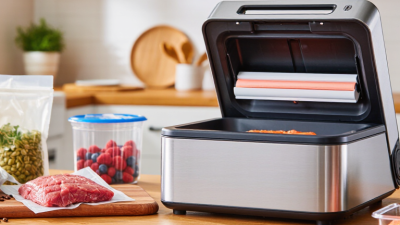
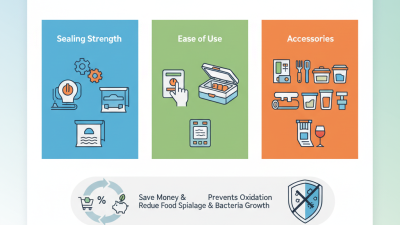
The right choice depends on the product, packaging material, required output, and available workspace. Chamber models and external suction models handle bags differently, so buyers should confirm compatibility before comparing cycle speed or price. Check sealing-bar length, controls, cleaning access, and the availability of service support. Ask how the unit performs across a normal shift, not just in a demonstration. Small details count.
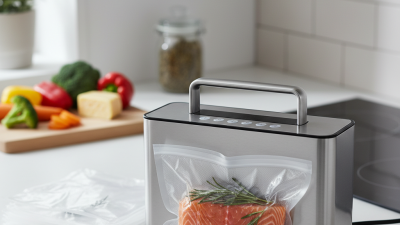
Vacuum packaging can reduce air inside a suitable package, but it does not replace safe handling, appropriate storage, or product-specific procedures. A seal can fail. Staff need clear operating instructions and routine checks for worn seals, residue, and uneven seams. These steps sound ordinary, yet they often determine whether a machine fits daily work. An industrial vacuum sealer is valuable when its capacity and features match real production needs—not simply because it looks powerful. Before purchase, map a typical packaging run and note where delays or inconsistent seals occur. The answer may be a larger machine, or a simpler one. That deserves a second look.
Industrial Vacuum Sealing: How Vacuum Levels and <1% Residual Oxygen Are Achieved
Why Choose an Industrial Vacuum Sealer?
Industrial Vacuum Sealing: How Vacuum Levels and <1% Residual Oxygen Are Achieved
Industrial vacuum sealing removes air from a package before sealing. The machine draws the chamber to a controlled pressure, then closes the pouch securely. A pressure gauge shows the vacuum level; it does not tell you the oxygen level inside the finished pack. For that, use a headspace oxygen analyzer. Small details matter.
Getting below 1% residual oxygen often takes more than a strong vacuum. Many systems evacuate the pack, introduce nitrogen, then evacuate and flush again before sealing. The right settings depend on the product, pouch, and machine. Porous foods can trap air, while warm products may release gases during packing. In practice, the first setting is rarely the final one. Check sealed samples under consistent conditions, and adjust evacuation time, gas flow, and sealing temperature as needed. Results should be verified, not assumed.
Tips: Test representative packs, not just empty pouches. Check oxygen levels soon after sealing and again during storage. If results vary, inspect seals and review product temperature, fill weight, and pouch placement.
Pump Capacity, Chamber Size, and Cycle Time: Key Throughput Metrics
Why Choose an Industrial Vacuum Sealer?
Pump capacity, chamber size, and cycle time determine how many reliable packs a line can produce per shift. Pump capacity is usually stated as flow rate, but it does not equal finished packages per minute. Product moisture, bag placement, chamber loading, and seal settings all affect evacuation time. A large pump can help, yet a poorly arranged chamber still slows the operator. That matters.
Chamber size should fit the product with room for bags to lie flat and seals to stay clear of liquid or crumbs. Compare usable chamber dimensions, not just the machine’s exterior footprint. Cycle time includes loading, evacuation, sealing, venting, and unloading; time several real production cycles before estimating output. A bench test can flatter. Include operator breaks and product changes in the calculation, too. UNEP’s Food Waste Index Report 2024 estimates 1.05 billion tonnes of food waste across households, food service, and retail in 2022. Vacuum packaging cannot solve waste alone, but consistent sealing can support storage and handling plans. Record seal failures as well as cycle speed. A fast cycle is not useful if bags need rework.
Why Choose an Industrial Vacuum Sealer? — Pump Capacity, Chamber Size, and Cycle Time: Key Throughput Metrics
Figures are representative planning ranges, not guaranteed machine specifications. Pump capacity is the rated displacement; actual throughput depends on product size and moisture, target vacuum level, bag material, loading and unloading time, seal settings, and operator workflow. Chamber dimensions and cycle times vary by machine design.
How Vacuum Packaging Protects Food, Electronics, and Medical Products
Why Choose an Industrial Vacuum Sealer?
Air trapped inside a package can carry moisture and speed up oxidation. An industrial vacuum sealer removes much of that air, then closes the package with a consistent heat seal. For food, this can help preserve flavor, reduce freezer burn, and keep portions tidy during storage. A sealed bag of sliced fruit, for example, takes up less freezer space and is less exposed to dry air. But vacuum packaging does not make food shelf-stable. Refrigeration, safe handling, and suitable storage times still matter.
Electronics benefit from reduced exposure to humidity and dust during shipping or storage. Small components can be packed with moisture-control materials when the product and packaging process call for them. Vacuum pressure is not right for every item, though; delicate parts may need cushioning or a different packing method. Medical products also require care. A vacuum seal may help protect suitable items from moisture or contamination, but it does not sterilize them or replace validated sterile-barrier packaging. That distinction matters. Teams should match packaging materials, seal settings, and inspection checks to the product, then test seals under real storage and transport conditions. A neat-looking seal is reassuring, but it is not proof of protection.
Why Choose an Industrial Vacuum Sealer?
Estimated oxygen remaining as package pressure falls
Lowering pressure removes air from a sealed, fixed-volume space, reducing the oxygen available to drive food oxidation and to affect oxidation-sensitive electronics. Estimates assume air contains 20.9% oxygen and use the ideal-gas relationship; actual flexible-package headspace varies. Medical products require packaging and processes validated for their specific application—vacuum packaging alone does not establish sterility.
How Barrier Films and Oxygen Control Influence Product Shelf Life
Why Choose an Industrial Vacuum Sealer?
Barrier films and oxygen control can shape how long packaged products retain their quality. A vacuum sealer removes much of the air around a product, while the film helps limit oxygen moving back through the package. That distinction matters. Even a strong vacuum cannot compensate for a film with unsuitable barrier properties or a weak seal.
Film selection should reflect the product’s sensitivity to oxygen, moisture, light, and handling. For example, a fatty food may develop stale flavors when exposed to oxygen, while a dry product may be more affected by moisture entering the package. Check the film’s oxygen transmission rate and confirm that its layers seal reliably on the intended machine. Small details matter. Wrinkles, crumbs, or uneven heat can create tiny leak paths that are hard to spot during a quick visual check.
An industrial vacuum sealer can help maintain repeatable evacuation and sealing across larger production runs. Still, shelf life depends on more than equipment. Product condition, storage temperature, sanitation, and package testing all play a role. Oxygen reduction is not a substitute for validated food-safety controls, and actual shelf life should be checked under realistic storage conditions. The first trial may look convincing; the less tidy results often teach more.