
Why Choose a Vacuum Pack Machine for Your Business?

Why Choose a Vacuum Pack Machine for Your Business?

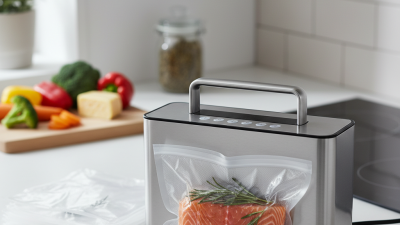
Food waste creates pressure across every supply chain. The UNEP Food Waste Index Report 2024 estimates that households, food services, and retailers wasted 1.05 billion tonnes of food in 2022. Better packaging cannot solve this alone. However, a vacuum pack machine can remove air, reduce oxidation, and help maintain product quality when temperature control remains consistent.

Market data also shows strong commercial interest. Grand View Research reports that the global vacuum packaging market was valued at approximately USD 29.7 billion in 2023. It expects continued growth through 2030. These figures suggest opportunity, but they do not guarantee profit. A machine must match product volume, film type, chamber size, and cleaning routines.

Food-safety specialist Dr. Ben Chapman has repeatedly stressed a vital principle: “Vacuum packaging is not a substitute for refrigeration.” That warning deserves attention. A sealed tray of chilled chicken may look secure, yet one weak seal can admit air and cause leakage. Poorly managed low-oxygen packaging can also create safety concerns. Operators need documented controls, staff training, and regular seal checks. HACCP-based procedures remain essential.

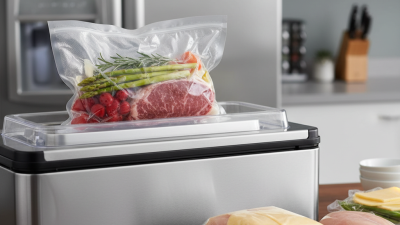
The practical benefits are visible. Bags fit tightly around steaks, cheese, and prepared meals. Fewer exposed surfaces can mean less freezer burn and cleaner storage shelves. Still, the machine is not magic. Energy use, film waste, maintenance, and operator errors can weaken the business case. Choosing wisely means measuring real production conditions, not trusting impressive specifications alone.
Why Choose a Vacuum Pack Machine for Your Business?

How a Vacuum Pack Machine Removes Air and Seals Products

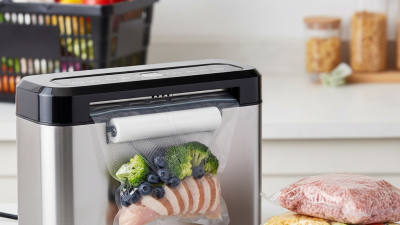
A vacuum pack machine removes air from a package before sealing it. The operator places a product inside a suitable pouch, then positions its open edge across the sealing area. In a chamber model, the pump draws air from the chamber and pouch together. On some external machines, a nozzle extracts air directly from the pouch. The method depends on the product and equipment.

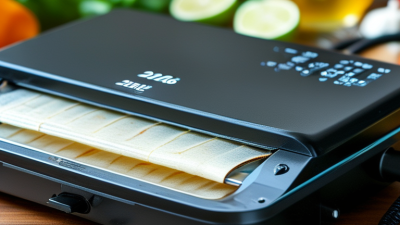
When the target vacuum is reached, a heated sealing bar presses the pouch layers together. Heat and pressure create a closed seam as the material cools. A clean, flat sealing area helps prevent wrinkles or trapped food from weakening the seal. Vacuum packaging can slow oxidation and reduce freezer burn, but it does not sterilize food or replace safe storage. The seal is not magic. I still check each batch, since small leaks can be easy to miss.

Tips: Keep liquids below the pouch opening, and wipe the sealing edge dry. Use packaging rated for your machine and product. After sealing, inspect the seam for gaps, folds, or moisture. A quick check takes seconds; reworking a whole batch takes longer.

Which Business Needs Benefit Most from Vacuum Packaging

Why Choose a Vacuum Pack Machine for Your Business?

Which Business Needs Benefit Most from Vacuum Packaging

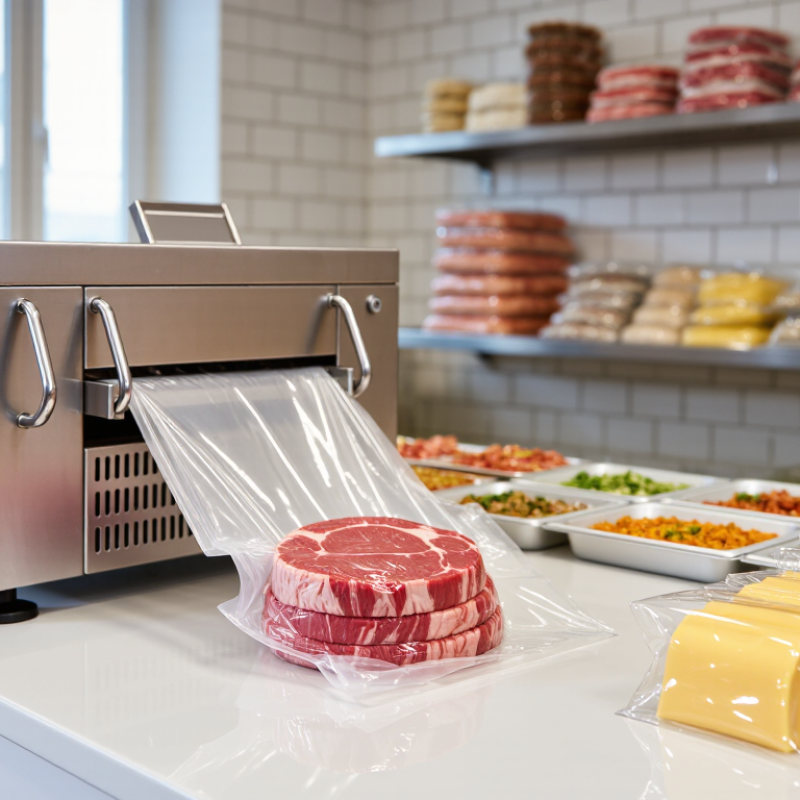
Fresh meat, seafood, and poultry businesses often gain the clearest advantage from vacuum packaging. Removing air can slow oxidation and reduce exposure to external moisture. A sealed fillet also looks cleaner in a chilled display. In daily operations, consistent seals matter as much as speed. One weak seal can damage a valuable order. Staff should check seal strength, package temperature, and storage conditions regularly.

Meal-preparation companies and commercial kitchens can benefit too. Vacuum-packed portions support accurate inventory control and faster service during busy periods. A prepared chicken portion, for example, can move from chilled storage to cooking with less handling. This may reduce waste and improve workplace organization. However, packaging does not replace refrigeration, sanitation, or approved food-handling procedures. It is not a cure-all.

Cheese makers, specialty food producers, and online food retailers also find practical value in this equipment. Compact packs can protect texture, reduce package volume, and make shipping more manageable. Small producers should measure daily output before choosing machine capacity. An oversized machine may consume space and training time unnecessarily. I have seen businesses focus on speed, then overlook cleaning routines and film costs. That mistake can weaken long-term savings. Products with sharp edges, excess liquid, or irregular shapes may require different bags and sealing settings. Testing real products is wiser than trusting specifications alone.

How Vacuum Packaging Supports Product Freshness and Storage

Vacuum packaging helps protect product freshness by removing much of the air around food. Less oxygen can slow oxidation, which may affect color, flavor, and texture. The package also limits exposure to outside moisture and handling. That matters for sliced cheese, roasted coffee, or prepared portions waiting in chilled storage. But vacuum sealing does not sterilize food. Refrigeration, clean handling, and suitable storage times still matter.

For a business, consistent packaging can make storage easier to manage. Sealed portions stack neatly, and clear labels help staff track packing dates. Choose packaging suited to the product; sharp edges or excess liquid can make sealing less reliable. Check seams during routine quality checks. A strong-looking pouch is not always a sound seal. It is easy to focus on the machine and overlook staff training, but daily handling often determines whether the process works as intended.

Tips: Keep product cold before and after packing. Leave enough space around the seal area, wipe it clean, and inspect a sample from each batch. Record packing dates and storage conditions. If a package leaks or its contents look or smell unusual, do not rely on the vacuum alone to judge safety.

Why Choose a Vacuum Pack Machine for Your Business? — How Vacuum Packaging Supports Product Freshness and Storage
Product Category Typical Refrigerator Storage Guidance Typical Freezer Storage Guidance How Vacuum Packaging Helps Important Handling Point
Beef steaks and roasts 3–5 days at 40°F (4°C) or below 6–12 months at 0°F (−18°C) or below for best quality Reduces contact with air and can help limit oxidation and freezer burn during storage. Keep refrigerated or frozen; vacuum packaging does not make raw meat shelf-stable.
Ground beef 1–2 days at 40°F (4°C) or below 3–4 months at 0°F (−18°C) or below for best quality Compact packs are easier to portion and stack, while reduced air exposure can help maintain frozen quality. Use promptly or freeze; follow safe cooking and handling guidance.
Chicken pieces 1–2 days at 40°F (4°C) or below About 9 months at 0°F (−18°C) or below for best quality Creates a close-fitting package that can reduce air pockets and help protect product quality in the freezer. Prevent raw poultry juices from contacting ready-to-eat foods and surfaces.
Lean fish 1–2 days at 40°F (4°C) or below About 6–8 months at 0°F (−18°C) or below for best quality Limits air exposure, which can help protect flavor and texture during frozen storage. Follow applicable food-safety rules for reduced-oxygen packaged fish, including instructions for storage and thawing.
Hard cheese Refrigerate; storage life varies by cheese type and handling Freezing is possible, but texture may change Can help limit drying and exposure to odors when the package is properly sealed. Use clean handling practices and follow the product’s storage instructions after opening.
Dry goods (for example, grains or coffee) Store in a cool, dry place; refrigeration is usually not required unless the product label says otherwise Freezing is generally unnecessary for routine storage Helps reduce exposure to moisture, air, and external odors when suitable packaging materials are used. Vacuum packaging does not replace dry, clean storage or protect against every form of spoilage.
Storage periods shown are general guidance for best quality, not a guarantee of safety or an added shelf life from vacuum packaging. Vacuum sealing removes air but does not sterilize food or eliminate the need for correct temperature control. Refrigerator guidance is based on 40°F (4°C) or below; freezer guidance is based on 0°F (−18°C) or below. Follow local regulations and product-specific instructions.

What to Consider When Selecting a Vacuum Pack Machine

Choosing a vacuum pack machine starts with your product, not the machine’s advertised speed.

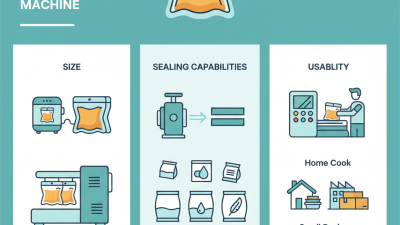
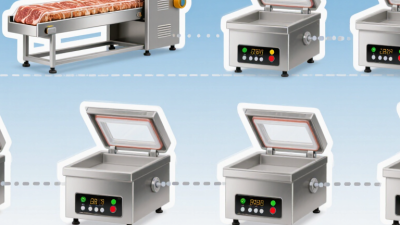
Measure package dimensions, moisture, sharp edges, and daily production volume. A small kitchen operation may need a tabletop chamber model. A busy processing room may require automatic sealing and continuous loading. The wrong chamber size creates wasted film, uneven seals, and frustrating delays.

Check vacuum strength, sealing temperature, cycle time, and pump capacity. Ask for test runs using your actual products. Fresh meat, coffee, cheese, and prepared meals behave differently inside the chamber. A clear control panel matters when operators wear gloves. Cleaning access matters even more. The U.S. Food and Drug Administration emphasizes sanitary equipment design for food-contact operations, so hidden corners deserve serious attention.

Industry data supports careful planning.

The United Nations Environment Programme reported that 1.05 billion tonnes of food were wasted in 2022. Better packaging can extend usability, but it cannot repair poor storage or careless handling.

FAO data also shows that about 13.2% of food was lost globally after harvest before retail in 2021. That makes seal consistency valuable, especially for temperature-sensitive products.

Still, I would not assume vacuum packing always reduces waste. Film consumption, electricity use, maintenance, and rejected packs must enter the calculation. A lower purchase price can become expensive when seals fail during a busy shift. Review warranty terms, spare-part access, operator training, and measurable payback before choosing.

How to Integrate Vacuum Packaging into Daily Operations

A vacuum pack machine becomes valuable when it fits daily routines, not when it simply removes air. The Food and Agriculture Organization reported that 13.2% of food is lost between harvest and retail globally. Better portion control and sealed storage can help reduce avoidable waste. However, packaging is not a cure-all.

Start with a small production zone. Place the machine near weighing, labeling, and chilled storage. Staff can portion food, load compatible bags, check the seal, and record the batch without crossing the whole facility. Keep a simple log for seal quality, product temperature, cleaning, and maintenance. Short checks matter.

Train operators with real products. A wet sauce needs different handling from a dry ingredient. Wrinkles, liquid in the seal, or trapped bone edges can create weak points. A failed seal is easy to miss. It should not be treated as a minor defect.

Food safety controls must remain central. Vacuum packaging can create low-oxygen conditions that support Clostridium botulinum if temperature and time are poorly managed, according to USDA Food Safety and Inspection Service guidance. Use a documented HACCP plan, rapid chilling, approved materials, and clear use-by instructions. The FAO’s food-loss data is persuasive, but every business should measure its own results. Track discarded portions, labor minutes, rework, and customer complaints for four weeks. The numbers may challenge expectations. Perhaps the machine saves less labor than planned. That finding is still useful.