
Blog
What Is the Best Packing Machine in China?
Choosing the best packing machine in China requires more than comparing prices or catalog photos. The right choice depends on product type, package material, output goals, and factory conditions. A powder, liquid, snack, or fragile component may require completely different feeding and sealing systems.
Packaging machinery specialist John D. Henry expressed a practical industry principle: “The best machine is not the fastest machine; it is the one that fits the product, process, and people.” That idea remains useful when evaluating Chinese manufacturers. A reliable supplier should provide clear technical specifications, sample testing, factory acceptance trials, and responsive after-sales support. Look closely at sealing accuracy, filling consistency, changeover time, electrical components, cleaning access, and spare-parts availability. Small details matter.
Not every impressive machine performs well on a real production floor. That is easy to forget. Ask for videos using your actual product, not only a demonstration material. Visit the factory when possible. Check its quality-control records, export experience, installation process, and operator training. Certifications can support trust, but they cannot replace practical testing. A lower-cost packing machine may become expensive after repeated stoppages or delayed service. I may be overly cautious, yet production interruptions often reveal weaknesses that brochures hide. The best Chinese packing machine is therefore a balanced investment: suitable technology, stable performance, transparent communication, and long-term maintenance support. This article examines the key criteria buyers should consider before making that decision.
Defining What Makes a Packing Machine the Best Choice
What Is the Best Packing Machine in China?
Defining What Makes a Packing Machine the Best Choice
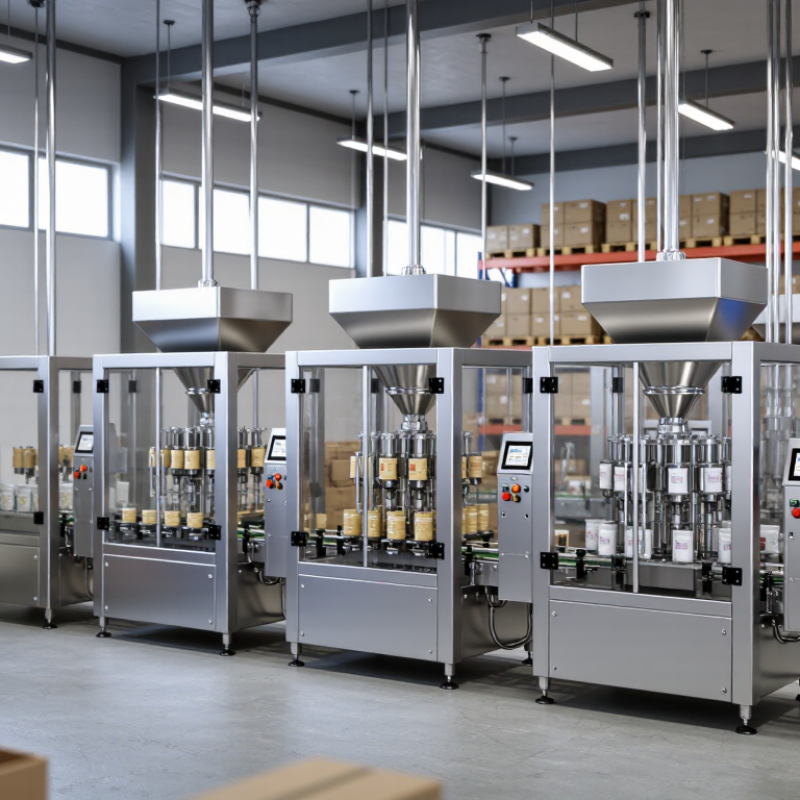
The best packing machine is not simply the fastest model on a supplier’s website. It must match the product, package size, material, and daily production target. During a practical evaluation, operators should test real products, not empty samples. A powder, snack, liquid, or irregular item may behave very differently inside the same machine.
Stable sealing matters more than impressive speed. Check seal strength, filling accuracy, film tracking, and reject rates across several production hours. A reliable machine should also allow quick cleaning and simple format changes. Operators need clear controls, accessible parts, and safe working procedures. Small delays can become expensive when they happen every shift.
Look beyond the first quotation. Ask for maintenance schedules, spare-part availability, training, and documented performance data. A capable supplier should explain limits instead of promising perfect results. That builds trust. Energy use and compressed-air demand also deserve attention, especially in long-term operation. The cheapest machine may create more waste, noise, and downtime. I have found that “best” is often a compromise. A slightly slower machine can be the wiser choice when it delivers consistent packs, easier servicing, and predictable output. Test carefully. Numbers need context.
Comparing Major Types of Packing Machines Made in China
Choosing the best packing machine in China depends on the product, speed, materials, and factory layout. The major types serve different production needs. Vertical form-fill-seal machines suit powders, grains, snacks, and small hardware. They save floor space and often combine weighing, filling, sealing, and coding. Premade pouch machines offer cleaner presentation and quick product changes, but pouch costs can be higher. For cartons, horizontal cartoning machines provide consistent folding and sealing. Case packers handle heavier secondary packaging with less manual lifting.
Industry data supports a practical focus on automation. The International Federation of Robotics reported 541,302 industrial robots installed worldwide in 2023. This figure is not packaging-specific, but it shows rising demand for repeatable machine operations. Smithers also forecasts the global packaging market to exceed 1.2 trillion dollars by 2028. Chinese equipment manufacturers increasingly offer servo controls, vision inspection, and remote diagnostics to meet this demand. However, automation is not always the best answer. A small factory may lose money if a high-speed machine sits idle.
During factory evaluations, inspect changeover time, sealing quality, spare-part access, and real production samples. Ask for tests using your actual film, pouch, carton, or product. A machine rated at 120 packs per minute may run slower with fragile products or uneven materials. Energy use and compressed-air demand also deserve attention. The best choice is rarely the fastest model. It is the machine that maintains stable output, limits waste, and remains serviceable after installation. Mistakes happen when buyers compare specifications alone.
Evaluating Machine Quality, Materials, and Production Capacity
What Is the Best Packing Machine in China?
Evaluating Machine Quality, Materials, and Production Capacity
The best packing machine is not always the fastest one. It must match your product, package size, and daily workload. During factory evaluations, I inspect frame rigidity, sealing accuracy, and access to service parts. A stable machine should run smoothly without excessive vibration or irregular noise. Small details matter. Loose wiring can create costly downtime later.
Material selection reveals much about long-term quality. Stainless steel contact surfaces are easier to clean and resist corrosion in demanding production areas. Food-grade components should have clear documentation and traceable suppliers. I also check conveyor belts, heating elements, sensors, and pneumatic fittings. Cheap parts may reduce the purchase price, but they often increase maintenance frequency. This trade-off is easy to underestimate.
Production capacity needs practical testing, not only catalog figures. Ask for a trial using your actual product and packaging film. Measure output for one continuous hour, including changeovers and rejected packs. A machine claiming 80 packs per minute may achieve less with uneven products. That difference matters. I would also examine operator training, spare-part availability, and remote technical support. No machine is perfect. My own early evaluations sometimes focused too heavily on speed and overlooked cleaning time. A reliable choice balances construction quality, material safety, consistent output, and realistic factory conditions.
What Is the Best Packing Machine in China? - Evaluating Machine Quality, Materials, and Production Capacity
| Machine Type | Typical Applications | Typical Speed | Production Capacity | Product Contact Material | Frame Material | Sealing Temperature Range | Recommended Quality Level | Best Use Case |
|---|---|---|---|---|---|---|---|---|
| Vertical Form-Fill-Seal Machine | Granules, powder, snacks, frozen foods, pet food, and small hardware | 30–100 bags/min | 600–6,000 bags/hour | SS304; SS316 for corrosive or sensitive products | SS304 or coated carbon steel | 120–220°C, film dependent | High | Flexible packaging with high output and moderate investment |
| Horizontal Form-Fill-Seal Machine | Biscuits, chocolate, soap, medical items, household products, and trays | 40–200 packs/min | 2,400–12,000 packs/hour | SS304 for product-contact components | Painted carbon steel or SS304 | 110–210°C, film dependent | High | High-speed wrapping of regular-shaped individual products |
| Premade Pouch Packing Machine | Stand-up pouches, zipper bags, spouted pouches, powders, and granules | 20–70 pouches/min | 1,200–4,200 pouches/hour | SS304; SS316 available for demanding products | SS304 or coated carbon steel | 120–220°C, pouch film dependent | High | Premium pouch appearance and quick changeover between bag formats |
| Rotary Premade Pouch Machine | Dried foods, sauces, liquids, pet food, detergents, and medical products | 30–80 pouches/min | 1,800–4,800 pouches/hour | SS304; SS316 recommended for acidic or salty products | SS304 | 120–220°C, pouch film dependent | Very high | Continuous production requiring stable pouch handling and accurate filling |
| Multihead Weigher Packing Line | Snacks, nuts, candy, dried fruit, vegetables, and irregular solid products | 40–120 weighments/min | 1,500–7,200 packs/hour | SS304; SS316 optional | SS304 | Depends on connected bagger | Very high | Accurate weighing and high throughput for free-flowing products |
| Auger Powder Packing Machine | Flour, milk powder, spices, coffee, pharmaceutical powders, and chemicals | 20–60 bags/min | 1,200–3,600 bags/hour | SS304; SS316 for corrosive or pharmaceutical products | SS304 or coated carbon steel | 120–220°C, film dependent | High | Controlled powder dosing where dust management and filling accuracy are important |
| Liquid and Paste Filling Machine | Sauces, oils, shampoo, honey, creams, detergents, and beverages | 20–100 containers/min | 1,200–6,000 containers/hour | SS304; SS316 for acidic, salty, or hygienic products | SS304 or coated carbon steel | Normally not applicable to product filling | High | Accurate volumetric filling for liquid and viscous products |
Note: Capacity figures are typical operating ranges for standard configurations. Actual output depends on product characteristics, package size, filling method, film type, operator skill, and required inspection standards.
Checking Automation, Customization, Safety, and Technical Support
What Is the Best Packing Machine in China?
Checking Automation, Customization, Safety, and Technical Support
The best packing machine is not always the fastest model. In real production, stable automation matters more than impressive speed. A reliable system should control feeding, filling, sealing, coding, and product detection with minimal operator adjustment. Servo drives, accurate sensors, and a clear control panel can reduce waste during long shifts. Request a factory test using your actual product and packaging material. Small differences often reveal major performance problems.
Customization should match your workflow, not merely add extra features. Check changeover time, package dimensions, sealing temperature, and cleaning access. A machine that handles one format perfectly may struggle with another. I have seen buyers focus on output speed and overlook difficult film feeding. That mistake becomes expensive. Ask for drawings, sample packages, and documented production results before approval.
Safety needs practical inspection. Look for guarded moving parts, emergency stops, electrical protection, and clear maintenance procedures. The supplier should explain risk controls in understandable language. Technical support is equally important after installation. Confirm training, spare-part availability, remote troubleshooting, and technician response times. Factory acceptance testing and site acceptance testing create useful records. Keep them. No machine is perfect, and support quality can decide whether a minor fault lasts one hour or several days.
Selecting the Right Chinese Manufacturer for Your Packaging Needs
What Is the Best Packing Machine in China?
Selecting the Right Chinese Manufacturer for Your Packaging Needs
Choosing the best packing machine in China begins with the manufacturer, not the catalogue price. A reliable supplier should understand your product, container shape, target speed, and working environment. Ask for a test using your actual materials. Watch the filling line, sealing surface, and finished packs. Small details matter. Measure weight variation, film waste, changeover time, and cleaning access. Request test records, not only promises. An experienced engineering team should explain limitations clearly. That honesty is valuable when production conditions become demanding.
A factory audit can reveal more than a polished website. Check machining areas, electrical assembly, spare-parts storage, and quality-control procedures. Ask who creates the drawings and approves design changes. Confirm product-contact parts, sensors, controls, and safety guards match your specification. Traceable component documents and inspection records add confidence. Speak with several customers in similar industries. Their comments about response time may matter more than impressive output figures. Do not ignore training. Operators need practical instruction, troubleshooting steps, and clear maintenance schedules.
After-sales support should be written into the contract. Define installation, remote assistance, warranty coverage, spare-parts availability, and response times. A capable Chinese manufacturer should provide usable English manuals and protect your production data. Compare total ownership cost, including energy use, tooling, freight, and future upgrades. The cheapest quotation can become expensive after repeated stoppages. No supplier is perfect. A trial may expose awkward cleaning points or slower changeovers. That is useful evidence, not failure. Select the partner that documents problems, corrects them, and communicates consistently before shipment.
Related Posts
-
Top 10 Packing Machines for Efficient Packaging in 2023
-
Best Sealer Machine for Your Business Needs in 2026?
-
Top 5 Best Commercial Vacuum Sealers for Efficient Food Preservation?
-

2026 Top Vacuum Sealer Buying Guide for Global Buyers?
-
How to Choose the Right Chamber Sealer in 2026?
-
2025 Best Tips for Choosing the Top Rated Vacuum Sealer for Your Needs