2026 How to Use Chamber Vacuum Bags for Long Lasting Food Storage?
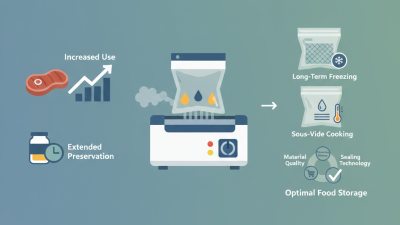
In the quest for long-lasting food storage, chamber vacuum bags stand out as a reliable option. These bags create a tight seal around food, significantly extending its shelf life. By eliminating air, they prevent spoilage and maintain freshness. Many people overlook the importance of using the right bags.
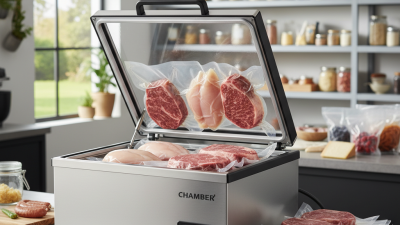
Chamber vacuum bags are essential for various food types. They work well for meats, vegetables, and even dry goods. The right technique in sealing can make a remarkable difference. However, some may struggle with the process, leading to wasted food. It's important to understand that not all vacuum bags are created equal.
While the benefits are clear, users might find occasional challenges in achieving a perfect seal. Mistakes can happen, and learning from them is part of the journey. Embracing the process can lead to better food preservation and a more efficient kitchen. Understanding chamber vacuum bags is crucial for anyone serious about food storage.
Understanding Chamber Vacuum Bags and Their Advantages
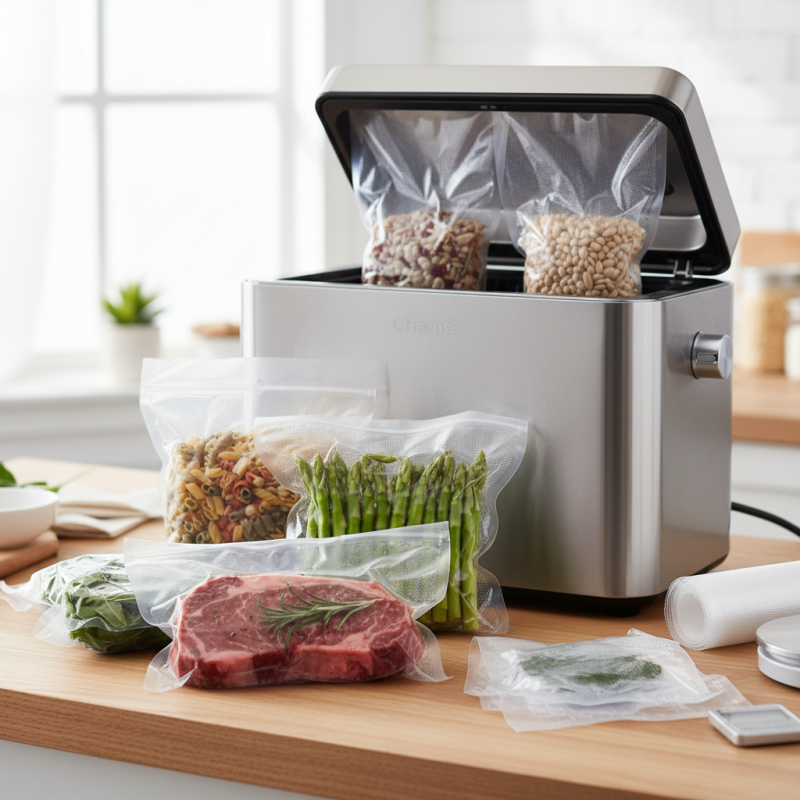
Chamber vacuum bags are essential for effective food storage. They provide a superior barrier against air and moisture. This feature helps preserve food longer than traditional methods. The bags are designed to work with vacuum sealers, creating a tight seal. As a result, your food remains fresh for weeks or even months.
Using chamber vacuum bags offers several advantages. They reduce the risk of freezer burn, which can ruin the taste and texture of frozen items. The bags are also reusable, making them an eco-friendly choice. However, improper sealing can lead to food spoilage. It's essential to check the seals before storing food.
Despite their benefits, some users may struggle with the sealing process. The vacuum machine requires regular maintenance. If neglected, it can lead to ineffective sealing. Test the machine often to ensure optimal performance. Remember, even small mistakes in sealing can compromise food safety.
Selecting the Right Chamber Vacuum Bags for Your Needs
When selecting chamber vacuum bags, consider the thickness and durability. Quality bags generally range from 3 to 6 mils in thickness. Thicker bags can withstand more wear and tear. According to industry reports, a 4-mil bag can maintain food quality for up to 2 years. However, not all food items need the thickest protection. Delicate foods may require lighter bags.
Another factor to keep in mind is the type of food you are storing. Moist items, like meats and cheeses, benefit from vacuum bags with a textured surface. This design allows for better air removal. On the other hand, dry items, like nuts and grains, can use smoother bags. Data from food preservation studies highlight that proper sealing can extend freshness significantly. However, improper use can lead to food spoilage.
Remember, vacuum bags are not infallible. They can puncture or tear, compromising your food's safety. Always inspect bags for damage before use. The right choice makes a difference.
2026 Food Storage Efficiency with Chamber Vacuum Bags
This chart illustrates the average storage time in days for various food categories when using chamber vacuum bags. Proper selection of vacuum bags can significantly extend the freshness and shelf life of your food.
Proper Techniques for Filling Chamber Vacuum Bags
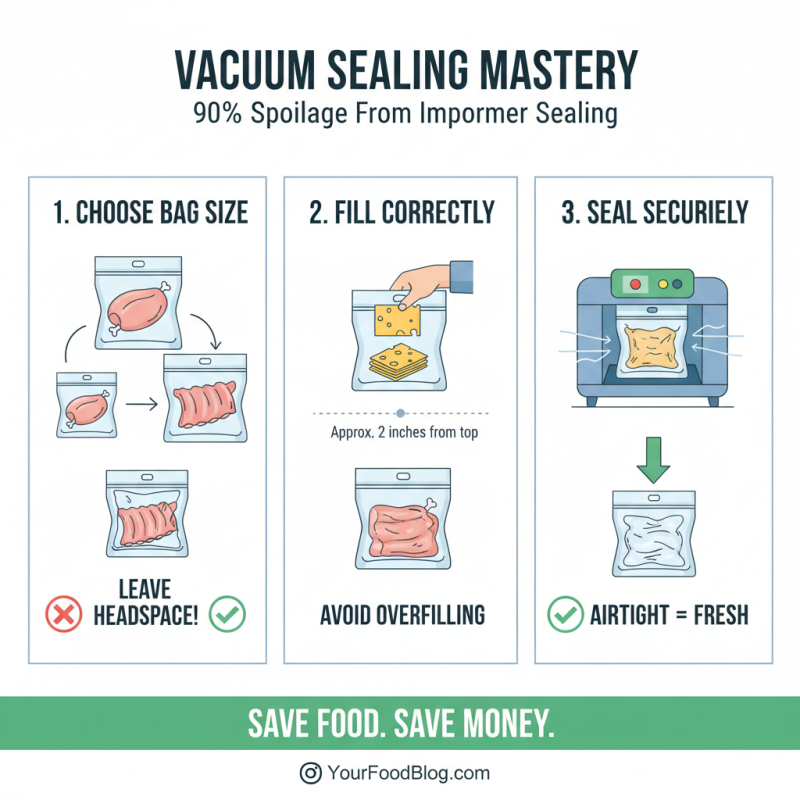
Filling chamber vacuum bags correctly is crucial for effective food storage. Research indicates that nearly 90% of food spoilage occurs due to improper sealing methods. Therefore, understanding the right techniques is essential. Start by selecting the appropriate size of bag for your food items. Leaving adequate space is important; too little space can cause leaks.
When filling the bags, maintain a clean work area. Moisture on the bag's opening can prevent a proper seal. Use dry hands to manipulate the bags, and avoid overfilling. Many users report that they often make the mistake of cramming in too much food. This can lead to bad seals and wasted effort.
For liquids, consider freezing them first in separate containers. This prevents spills during the vacuuming process. Industry studies show that improper sealing can shorten food life by up to 50%. To extend freshness, try using a labeling system with dates. Periodically review stored items, and adjust practices based on what works best. Learning from previous mistakes can significantly improve your food storage technique.
Operating a Chamber Vacuum Sealer for Optimal Results
Operating a chamber vacuum sealer can significantly enhance your food storage experience. It removes air from specially designed bags, creating an airtight environment. According to industry reports, vacuum sealing can extend the shelf life of food by up to five times compared to traditional storage methods.
To achieve optimal results, pre-freeze liquids before vacuum sealing. This prevents spillage and ensures a tighter seal. Adjusting the pressure settings based on the food type is also crucial. Some dry items can handle higher pressure, while delicate foods need a gentler touch. Many users overlook these adjustments and end up with subpar seals or crushed items.
Regular maintenance of your sealer is necessary. Clean the sealing element and check for blockages. Neglecting this can lead to leaks, diminishing the effectiveness of the vacuum. Inconsistent results may lead to frustration. Learning to identify these issues will improve your sealing process over time.
Storage Tips for Maintaining Food Quality After Sealing
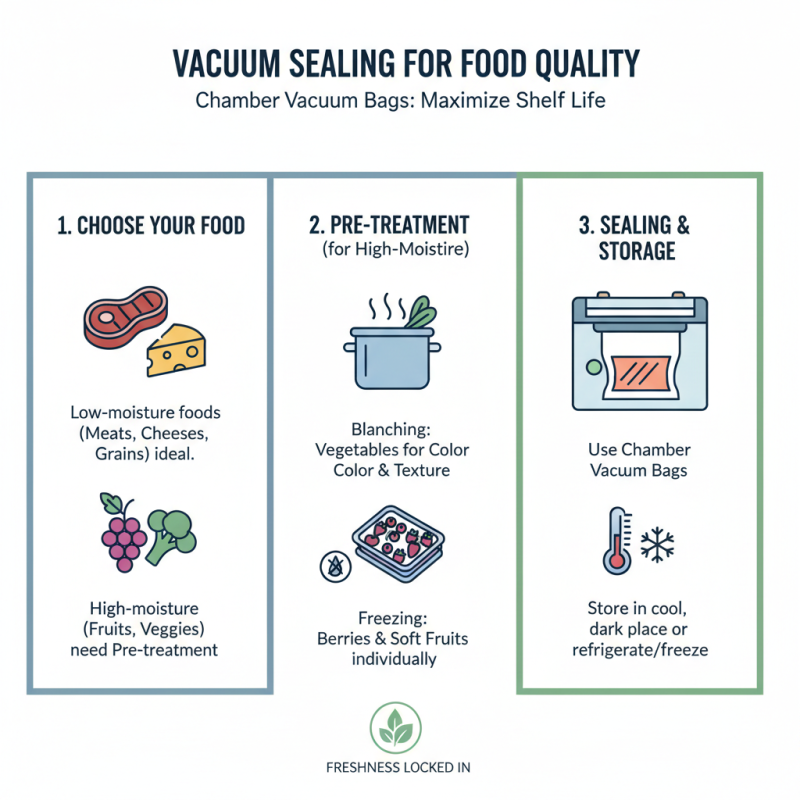
Using chamber vacuum bags can greatly extend the lifespan of your food. However, to truly maintain food quality after sealing, attention to detail is crucial. Start by choosing the right type of food. High moisture items, like fruits and vegetables, may require pre-treatment. Blanching vegetables briefly can preserve color and texture.
The sealing process is equally important. Avoid overfilling bags, which can lead to air pockets. It's essential to leave enough space for proper sealing. Additionally, ensure that the rim of the bag is clean before sealing. Any residue can prevent a tight seal, compromising freshness. Use the correct vacuum settings for various food types; delicate items require gentler suction.
Storage conditions also play a role. Store vacuum-sealed bags in cool, dark places. This helps prevent spoilage and quality loss. While vacuum sealing is effective, keep in mind that it is not a cure-all. Occasionally inspect stored items for any signs of freezer burn or spoilage. Even with careful preparations, some foods may not hold up as expected. Remember, food quality can vary, and ongoing evaluation of sealed items is necessary.