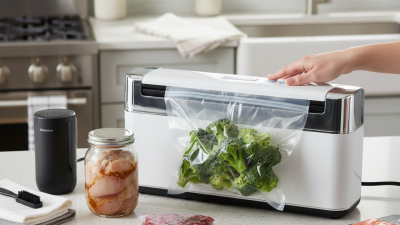
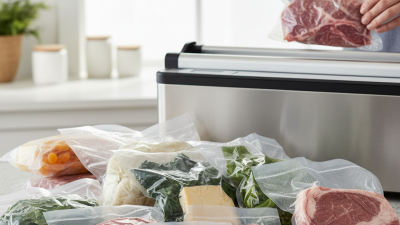
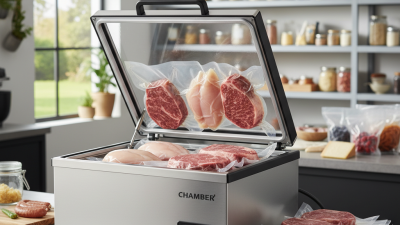
2026 How to Use a Vacuum Packer for Meal Storage and Food Preservation?
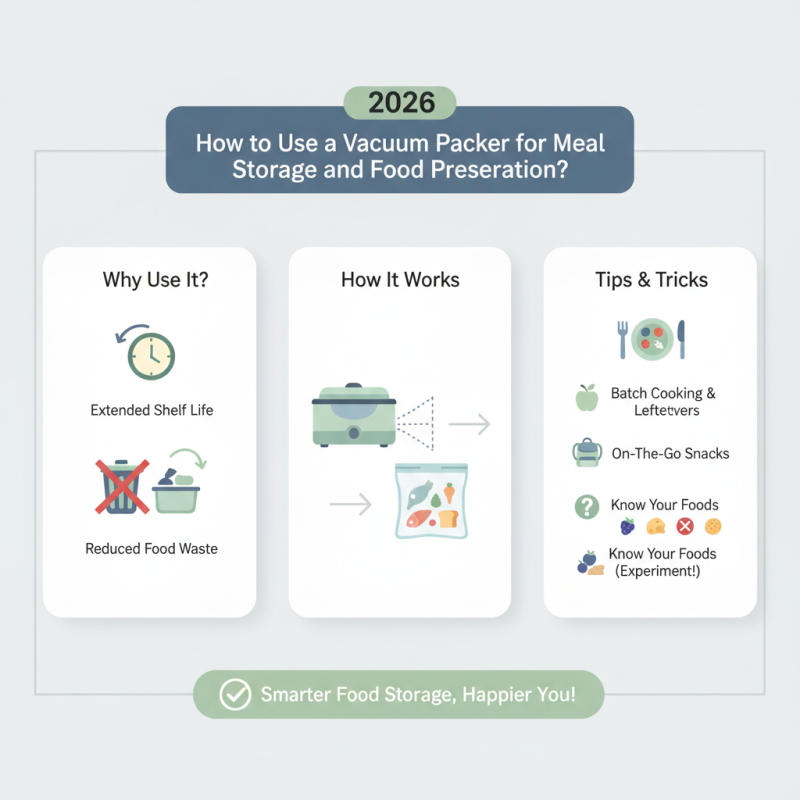
In today's fast-paced world, food preservation is vital. A vacuum packer can be a game-changer for meal storage. It extends the shelf life of various foods. This device removes air and seals items tightly. As a result, it keeps food fresh longer, reducing waste.
Using a vacuum packer is straightforward, yet many overlook its potential. Proper technique matters. Not all foods respond the same way to vacuum sealing. Some items might lose their texture or taste if packed incorrectly. It requires a bit of experimentation to get it right.
When preparing meals, think about how to use a vacuum packer effectively. It can store leftovers or batch-cooked meals. You can also pack snacks for on-the-go convenience. However, remember that not everything is suitable for vacuum sealing. Awareness is key. This can lead to better outcomes and a more enjoyable experience with your food storage strategy.
Understanding the Benefits of Vacuum Packing for Food Storage
Vacuum packing is an effective method for food storage that offers numerous benefits. Studies show that vacuum-sealed food can last up to five times longer than food stored using traditional methods. This is essential for reducing food waste in homes and restaurants. The USDA estimates that up to 30% of food in the U.S. is wasted, resulting in millions of dollars lost each year. Vacuum packing significantly minimizes this waste.
By removing air, vacuum packing slows down the deterioration process. It protects food from oxidation, which causes spoilage and loss of flavor. This method helps retain the nutritional value of food items, making them healthier options for consumers. Foods like meat, vegetables, and fruits maintain their taste and nutrients longer when vacuum sealed. Surprisingly, not everyone realizes this benefit. Many still resort to conventional storage methods, losing out on the advantages.
However, vacuum packing isn't a one-size-fits-all solution. Some delicate foods, like mushrooms or berries, can become crushed when sealed. There's a need for care in choosing which items to vacuum seal. People should learn the right techniques for different foods. Understanding these nuances is crucial for maximizing storage efficiency and minimizing waste.
Choosing the Right Vacuum Packer for Your Needs
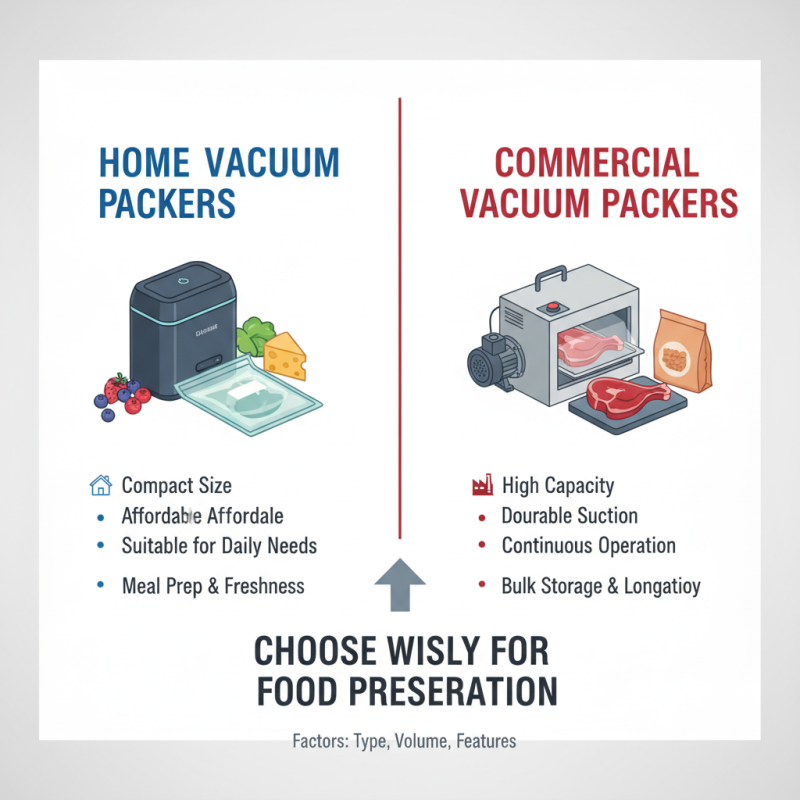
Choosing the right vacuum packer can be crucial for meal storage and food preservation. Several factors influence this decision. A key aspect to consider is the type of vacuum packing needed. Some units are designed for home use, while others cater to commercial demands. The latter may offer features like higher vacuum pressure that is important for sealing large quantities.
According to a report by the Food and Drug Administration, proper food preservation can reduce food waste by up to 50%. Thus, selecting an appropriate vacuum packer can lead to significant savings. Additionally, the pump strength is essential. A unit with at least 20 inHg of vacuum will ensure better sealing. When searching for a vacuum packer, consider the size. Smaller units are often more affordable but may not be suitable for bulk storage.
Portability can also be valuable. If you have limited counter space, consider compact models. However, these may be less powerful and take longer to vacuum seal. Not every vacuum packer is created equal. Some may fail to remove all air, leading to spoilage. Learning the ins and outs of your chosen device is crucial. Pay attention to user reviews and product features.
Step-by-Step Guide to Vacuum Packing Your Meals
Vacuum packing is an effective method for meal storage and food preservation. According to industry reports, vacuum-sealed food can last up to five times longer than traditional storage methods. This technique removes air, which slows down spoilage and keeps flavors intact. You can preserve the freshness of fruits, vegetables, meats, and leftovers easily.
To vacuum pack your meals, start by preparing your food. Chop vegetables or portion meats. It’s essential to ensure they are dry. Any moisture can lead to freezer burn. Place food into vacuum bags, leaving some space at the top. Seal the bag, making sure there are no air pockets. Then, use a vacuum sealer to remove air and create a tight seal.
After vacuum sealing, label each bag with the date. Use a permanent marker for durability. While vacuum packing extends shelf life, it's vital to check for accidental damages. Even a small puncture can compromise food quality. Food safety is paramount, so when in doubt, throw it out. Make meal packing a regular habit for optimal results.
Best Practices for Vacuum-Sealing Different Types of Food
Vacuum-sealing is a great way to preserve food. It helps maintain freshness and prevents freezer burn.
When sealing vegetables, wash and dry them first. Cut them into uniform pieces.
This ensures even cooking later. Leafy greens need extra care. Remove excess air gently to prevent crushing.
For meats, trim excess fat before sealing. Fat can spoil faster and affect quality.
Use a layer of parchment paper between the meat and the bag.
This can help avoid direct contact, minimizing liquid loss. Remember, not all meats freeze equally well.
Some may require careful handling.
When sealing dry goods, like grains or nuts, ensure they are dry.
Moisture can ruin the seal. Use containers for items that might break down easily.
For cheese, consider wrapping it in parchment first. This can help it breathe, preserving flavor.
Reflecting on your methods is essential.
What worked? What didn’t? Adjust your approach for better results.
Tips for Properly Storing Vacuum-Packed Foods for Longevity
When storing vacuum-packed foods, proper techniques are essential for maximizing freshness. Start with cleaning the vacuum sealer and ensuring it's in good condition. This prevents contamination and maintains the integrity of the sealer. Fill the bags with the food, but don’t overstuff them. An inadequate space may affect the sealing process. Always leave enough room for a proper seal.
Temperature is crucial for food longevity. Store vacuum-sealed items in a cool, dark place. Avoid direct sunlight and heat sources that can degrade the packaging. Keep an eye on the temperature fluctuations. It might be tempting to check those tasty snacks regularly, but too much handling can introduce air. Over time, even small openings can compromise the seal.
Consider labeling your bags with dates and contents. It’s easy to forget what’s in there. Rotate food by using older items first. This way, you minimize waste. Reflect on your storage habits. Are you consuming food in a timely manner? Always assess the quality of the vacuum seal before use. With these practices, you’ll enhance food preservation while enjoying your meals to the fullest.
2026 How to Use a Vacuum Packer for Meal Storage and Food Preservation
| Food Type |
Recommended Storage Duration |
Ideal Storage Temperature |
Notes for Best Preservation |
| Cooked Meat |
2-3 years |
0°F (-18°C) or lower |
Ensure bags are sealed tightly to prevent freezer burn. |
| Fruits (Berries) |
1-2 years |
32°F (0°C) or lower |
Wash and dry before vacuum packing. |
| Vegetables (Blanched) |
1-2 years |
32°F (0°C) or lower |
Blanch before sealing to maintain color and flavor. |
| Dry Goods (Rice, Pasta) |
1-5 years |
Room temperature |
Store in a cool, dry place to prevent moisture. |
| Cheese |
6 months - 1 year |
32°F (0°C) or lower |
Use cheese-specific bags for optimal preservation. |