What is a Sealer Machine and How Does it Work?
A sealer machine plays a crucial role in various industries, including food packaging, electronics, and pharmaceuticals. The global packaging machinery market, valued at over $40 billion in 2022, highlights the importance of efficient sealing methods. In particular, sealer machines enhance product shelf life and ensure quality control.
These machines operate by applying heat, pressure, or adhesive to seal packages securely. According to research, the demand for automated packaging solutions has grown by 12% annually. This growth indicates a shift toward modernization. However, challenges remain. Some users report difficulties with machine calibration. Misalignment can lead to waste and inefficiency.
Moreover, the maintenance of sealer machines is often overlooked. Regular checks are necessary to prevent breakdowns. Industry data suggest that 30% of businesses experience unplanned downtimes due to equipment failure. Therefore, understanding how a sealer machine operates is essential for maximizing productivity and minimizing costs.
What is a Sealer Machine?
A sealer machine is a device designed to seal items, often using heat to create an airtight closure. These machines play a crucial role in food packaging, medical supply containment, and various industrial applications. Their primary function is to ensure that products remain fresh and protected from contamination.
The process of sealing involves placing the item within a bag or container. The machine then applies heat to the sealing area, melting the material together. This creates a strong bond, preventing air, moisture, and pests from entering. Different machines exist, from handheld models to industrial-sized units. Each machine serves a specific purpose depending on the scale of production. Some operators find the initial setup challenging, leading to a learning curve.
While sealer machines are efficient, human errors can occur. Incorrect settings may result in weak seals, compromising the integrity of the packaging. Testing is essential to achieving the perfect seal. Observing variables can be beneficial, as each material reacts differently to heat. Users must remain vigilant and adjust as necessary.
Usage Statistics of Sealer Machines by Type
Types of Sealer Machines Available in the Market
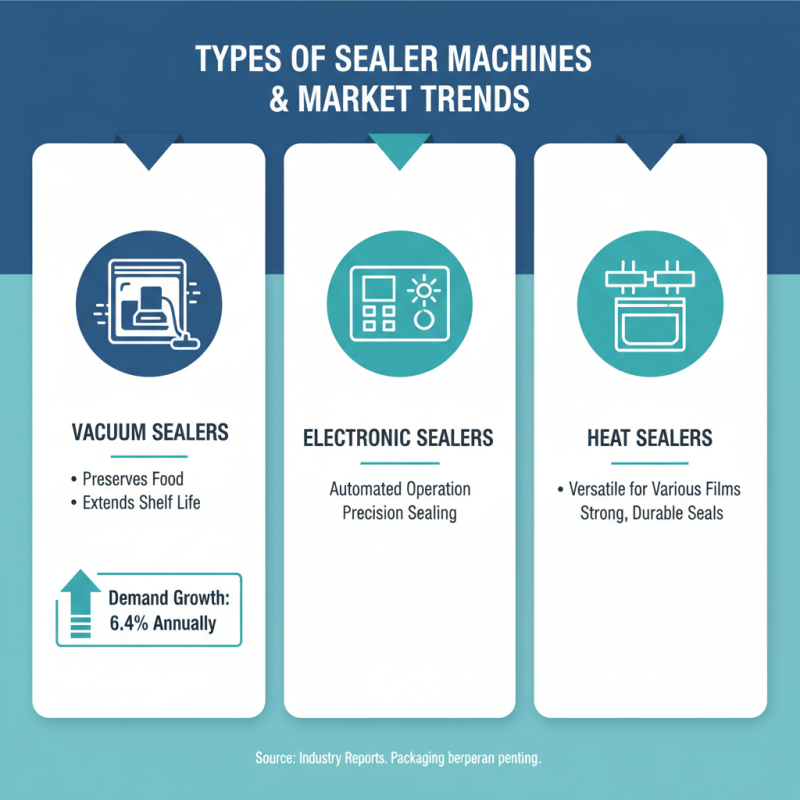
Sealer machines play a crucial role in packaging. Various types exist, each designed for specific applications. The market offers options such as vacuum sealers, electronic sealers, and heat sealers. According to industry reports, the demand for vacuum sealers is projected to grow by 6.4% annually. This rise highlights their value in preserving food and enhancing shelf life.
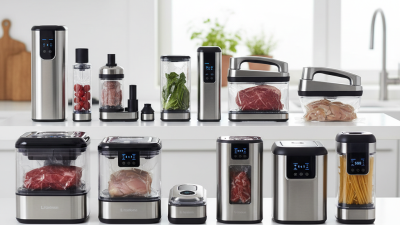
Vacuum sealers remove air from bags, preventing spoilage. Electronic sealers use heat to seal various materials. Heat sealers are popular for their efficiency in sealing plastic and paper products. They are widely used in the food, pharmaceutical, and manufacturing industries. Each type of sealer machine has its unique strengths and limitations.
**Tips:** When choosing a sealer machine, consider its intended use. Look for features that match your needs. Always review the specifications carefully. Regular maintenance is essential for optimal performance. Check seals for durability regularly. A little attention can prevent larger issues later.
Basic Components and Features of a Sealer Machine
A sealer machine plays a crucial role in packaging. It ensures products are securely sealed, enhancing their shelf life and protecting them from contamination. Understanding its basic components can help users maximize efficiency.
The essential parts of a sealer machine include the heating element, control panel, and sealing jaws. The heating element generates the necessary temperature to melt the packaging material. The control panel allows users to set time and temperature, which is pivotal for different materials. Sealing jaws securely close the packages.
Tips: Regular maintenance of the heating element is crucial. A worn-out element can lead to inconsistent seals. Additionally, selecting the right type of material is essential. Using incompatible materials can result in seal failures.
Consider the sealing width. A wider seal may seem stronger but increases material costs. Many users overlook this aspect. Balancing strength and cost efficiency leads to better packaging solutions. Understanding these elements enables improved packaging and operational efficiency, optimizing production lines.
What is a Sealer Machine and How Does it Work? - Basic Components and Features of a Sealer Machine
| Component |
Description |
Function |
| Heating Element |
Generates heat to seal the packaging material. |
Melts the material at the sealing point for effective closure. |
| Control Panel |
Interface for setting parameters such as temperature and sealing time. |
Allows user to customize settings for different materials. |
| Sealing Bar |
The part that comes in contact with the packaging material to create the seal. |
Forms a tight and secure closure to maintain product integrity. |
| Cooling Unit |
Cools down the sealing area after sealing. |
Prevents re-opening of the package and ensures strong seals. |
| Frame |
The structural support for all components of the sealer machine. |
Provides stability and durability to the machine. |
How Does a Sealer Machine Operate?
A sealer machine is a handy device used for sealing various materials. It is commonly used in packaging industries. This machine operates using heat, pressure, or adhesive to create airtight seals. Many people underestimate its role. But a good seal can prevent spoilage.
When the machine operates, it requires specific settings. The temperature must be adjusted based on the material being sealed. This can be a trial-and-error process. If the temperature is too high, materials may scorch. If it’s too low, seals may break. Precision is key, and operators must pay attention.
The operation process starts with loading the material into the machine. Sensors detect the item’s presence. Then, the sealing mechanism engages. It applies heat or pressure to the specific areas. Users need to monitor the operation closely. Timing is crucial. If left too long, the seal can become damaged. Users should always test seals for strength after operation.
Applications and Benefits of Using Sealer Machines
Sealer machines play a crucial role in various industries, primarily in packaging. They seal products to ensure freshness and prevent contamination. Data from MarketsandMarkets indicates a projected growth in the packaging machinery market. This growth highlights the rising demand for effective sealing solutions.
In food production, sealing preserves hygiene and extends shelf life. According to the Food and Drug Administration (FDA), proper sealing can reduce spoilage by 50%. In the manufacturing sector, these machines enhance efficiency. They speed up the packing process, which leads to reduced labor costs. Industries are acknowledging these benefits, making advanced sealing technology a priority.
Tip: Regular maintenance of your sealer machine can prevent unexpected breakdowns. Schedule monthly checks to keep it running smoothly.
When considering the use of sealer machines, it's important to understand your specific needs. Different products require different sealing methods. For instance, a vacuum seal may be necessary for perishables, while a simple heat seal could suffice for dry goods. Not all machines are versatile, which can be a drawback. Evaluating the requirements of your products is essential before investing in this technology.