What is Pulp Molding at the 2026 Canton Fair?
Pulp molding has gained significant attention in recent years, especially in environmentally conscious markets. At the 2026 Canton Fair, this innovative technique showcases products made from recycled paper fibers. Visitors can expect a variety of items, from packaging solutions to intricate designs. The appeal lies in its sustainability and versatility, appealing to both manufacturers and consumers.
During the fair, advanced technologies will enhance the presentation of pulp-molding products. AI search functions will help buyers find eco-friendly suppliers with certifications like ISO and CE. Efficient navigation through the vast 1.55 million square meters will also ensure attendees connect with relevant exhibitors quickly. However, despite these advancements, some visitors may still struggle to fully understand pulp molding's potential.
The need for clear information remains crucial. As the industry grows, the nuances of pulp molding must be better communicated. This is where ongoing discussions and reflections on practices can make a difference. Ultimately, the Canton Fair aims to position pulp molding as a frontrunner in sustainable manufacturing.
Introduction to Pulp Molding Technology
Pulp molding technology has gained popularity for its sustainable approach to packaging and products. This process transforms waste paper and agricultural fibers into biodegradable materials. According to a report by Allied Market Research, the global pulp molding market was valued at approximately $1.35 billion in 2021 and is projected to grow significantly.
The technology involves a few key steps. First, raw materials are shredded and mixed with water. This creates a slurry. Then, the slurry is molded using specialized equipment. After shaping, the products are dried, often using heat or air. Research indicates that the pulp molding industry could reduce plastic waste by up to 30% in packaging applications. However, industries still face challenges in scaling production efficiently.
Despite these advancements, some businesses struggle with the initial investment of machinery and technology. Additionally, the quality of the final product can vary based on material sources and processing conditions. This inconsistency can impact market acceptance. The need for better quality control systems has arisen. The potential of pulp molding is incredible, but it requires refinement and innovation in production methods to truly thrive.
Pulp Molding Technology Overview
This chart represents the projected market growth of pulp molding technology from 2024 to 2028, indicating the increasing adoption of sustainable packaging solutions.
Applications of Pulp Molding in Various Industries
Pulp molding is gaining traction across various industries. This eco-friendly process transforms waste paper into useful products. Pulp molds are versatile and can be shaped into numerous forms. They serve as an alternative to plastic packaging, which is critical today.
In the food industry, pulp molds create trays for fruits and vegetables. These trays ensure safe transport and reduce spoilage. They're also used for takeout containers. This minimizes plastic usage, which is a growing concern among consumers.
Tips: When considering pulp molding, assess the materials available. Not all waste paper is suitable for this process. Test different types to find the best quality. Also, think about your product design. Some shapes may be difficult to produce with pulp molding.
In the electronics sector, pulp molds protect delicate items during shipping. They offer cushioning without adding bulk. However, not all products fit well with pulp. Reflect on your specific needs before committing. The adaptability of pulp molding makes it a promising choice, but it requires careful consideration.
Environmental Benefits of Pulp Molding Products
Pulp molding has gained attention for its environmental benefits, especially at events like the 2026 Canton Fair. This manufacturing method uses recycled paper and plant fibers. It transforms waste into sustainable products. As we face climate challenges, pulp molding offers a responsible alternative.
Products made from pulp molding are biodegradable. They decompose naturally, reducing landfill waste significantly. This process contributes to a circular economy. However, not all pulp molded products are perfect. Issues like durability and production efficiency need improvement. The industry must address these challenges to maximize environmental benefits.
Moreover, sourcing materials sustainably remains a concern. Ensuring tree plantations are responsibly managed is crucial. Missteps in sourcing can undermine the eco-friendly narrative. This highlights the necessity of transparency in the supply chain. As we continue to innovate in pulp molding, every detail counts for a greener future.
What is Pulp Molding at the 2026 Canton Fair? - Environmental Benefits of Pulp Molding Products
| Product Type | Raw Material | Environmental Impact | Recyclability | Production Process |
| Pulp Trays | Recycled Paper | Reduces plastic waste | 100% recyclable | Molded under pressure |
| Pulp Cups | Bagasse | Biodegradable | Compostable | Heat pressed |
| Pulp Containers | Sugarcane Waste | Sustainable resource | Fully recyclable | Molded and dried |
| Pulp Bowls | Natural Fibers | Reduces landfill waste | Compostable | Formed using heat and pressure |
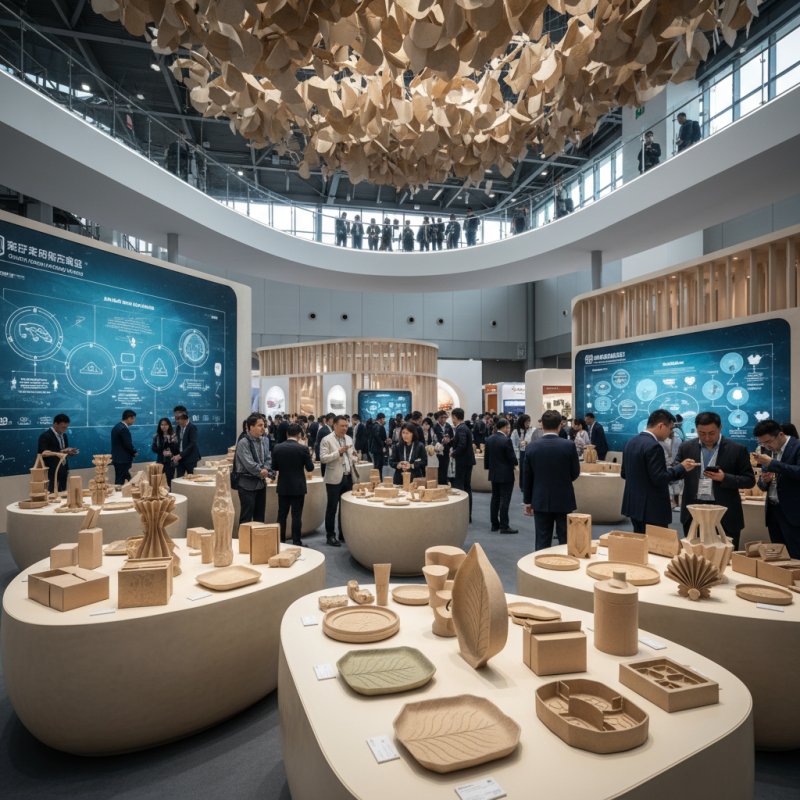
Overview of Pulp Molding Exhibits at the 2026 Canton Fair
The 2026 Canton Fair will showcase a variety of innovative pulp molding exhibits. This sustainable manufacturing process produces biodegradable, eco-friendly products. Attendees can expect to see diverse applications, from packaging materials to custom-designed items. Visitors will be fascinated by the intricate designs created through pulp molding techniques.
Exploring these exhibits offers a chance to understand how this industry is evolving. Some displays may lack depth in their explanations. It’s crucial to engage with exhibitors, asking questions and seeking clarity. Many manufacturers still have room for improvement in their presentation skills.
Tips: When visiting the fair, take notes on your observations. This will help you reflect on the innovations later. Look out for unique product uses; they often spark new ideas. Don’t hesitate to share your insights with exhibitors; feedback can drive progress.
Future Trends in Pulp Molding Innovations and Developments
Pulp molding is transforming the packaging industry. At the 2026 Canton Fair, new innovations are set to take center stage. This sustainable material is versatile and eco-friendly. People are now looking for greener solutions. Many products can be made from pulp, including trays, containers, and protective packaging.
Emerging trends highlight design and functionality. Creativity in molding shapes is increasing. Designers now experiment with complex forms and textures. This not only adds aesthetic value but also improves performance. However, challenges remain. Achieving consistency and quality in mass production can be tough. The industry must tackle these issues to realize its full potential.
Moreover, technology plays a crucial role. There’s a growing interest in automation for efficiency. Robotics can streamline the molding process, reducing errors. Yet, integrating new tech comes with its hurdles. Training is essential for workers to adapt. Balancing innovation and practicality is key in future developments. Industry leaders must address these gaps to ensure sustainable growth.