Effective Tips for Using Vacuum Seal Bags in Food Storage?
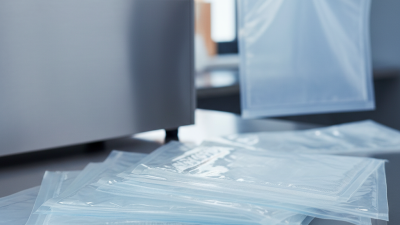
Vacuum seal bags have revolutionized food storage for many households. They help keep food fresh for a longer time by removing air. This process slows down spoilage and preserves flavors, making them an essential tool in modern kitchens.
Using vacuum seal bags can reduce food waste significantly. By storing leftovers or bulk purchases properly, you can prevent them from going bad. However, many users face challenges such as improper sealing or not fully understanding how to utilize these bags effectively. It’s crucial to learn the best practices to maximize their benefits.
Experts recommend creating meals ahead of time and vacuum sealing them for easy access. This can save time during busy weekdays. Yet, some might overlook the importance of labeling bags, which can lead to confusion later on. As you explore strategies for using vacuum seal bags, consider experimenting with different foods and techniques. Recognizing the strengths and weaknesses of your methods can lead to better food storage solutions.
Understanding the Basics of Vacuum Seal Bags for Food Storage
Vacuum seal bags are a practical solution for food storage. They help prolong shelf life and preserve freshness. These bags work by removing air, which is essential in preventing spoilage. When using vacuum seal bags, it is crucial to ensure they are appropriate for the type of food. Not all bags are created equal; some are thinner and may not withstand the test of time.
Start by preparing the food properly. Wash and dry fruits and vegetables before sealing. This practice helps avoid moisture build-up. For meats, it’s best to trim excess fat, which can lead to spoilage. The sealing process should be done carefully. If air pockets remain, they can compromise the seal. A weak seal might result in freezer burn or spoilage.
One common mistake is overfilling the bags. Leave enough space at the top for a proper seal. Check the manufacturer’s guidelines on capacity and sealing techniques. Regularly inspect your vacuum-sealed items for signs of air leakage. It’s easy to overlook, but doing so can save you from wasting food. Vacuum sealing is a useful tool, but awareness of its limitations is essential for effective food storage.
Choosing the Right Vacuum Seal Bags for Different Food Types
Choosing the right vacuum seal bags is crucial for effective food storage. Different food types require specific bag materials and sizes. For meats, select heavy-duty bags with puncture resistance. These bags help prevent freezer burn and preserve flavor. Delicate items like berries benefit from softer bags that won’t crush during sealing.
When dealing with liquids, opt for bags designed to handle moisture. These bags can withstand spills without compromising the seal. It’s essential to avoid overfilling. Leave sufficient space for air removal.
Vegetables often need breathable options, especially if you plan to blanch them first. This prevents spoilage and maintains freshness.
Experimenting with various bags can lead to unexpected results. Sometimes, a bag that seems ideal may not work as planned. You might notice water collecting in unwanted areas or weak seals. These are opportunities to refine your approach. Keep track of what works best for different foods, making food storage more efficient over time.
Step-by-Step Guide to Properly Vacuum Seal Food Items
Vacuum sealing is an excellent method for preserving food freshness. Start by preparing your vacuum seal bags. Clean and dry the bags to ensure no moisture remains. This step is crucial, as moisture can lead to spoilage. When placing food in the bags, avoid overstuffing them. Leave enough space at the top to ensure an airtight seal.
It’s essential to choose the right settings on your vacuum sealer. Use the appropriate vacuum mode for different types of food. For instance, seal dry items with a basic setting. Consider switching to a gentle mode when sealing delicate foods, like berries. The integrity of the food matters.
After sealing, label your bags with dates and contents. This practice helps you track food freshness. Remember, like all methods, vacuum sealing has limits. Not all foods fare well under vacuum, such as soft cheeses or mushrooms. Reflect on your experiences with vacuum sealing, and adjust your technique as needed. It’s a journey of discovery in food storage.
Best Practices for Storing Vacuum-Sealed Bags in the Fridge or Freezer
When using vacuum-sealed bags, proper storage is crucial. If you're placing them in the fridge, make sure the temperature is stable. Fluctuations can compromise the seal and lead to spoilage. Always place bags on a flat surface to maintain their shape. Avoid crowding them, as this can create pressure points that weaken seals.
In the freezer, store vacuum-sealed bags vertically when possible. This method prevents squishing, which can lead to air pockets. Label the bags with contents and date of sealing. This practice helps avoid confusion and reduces waste. Keep an eye on the freezer’s temperature. A consistent, low temperature maximizes the shelf life of your vacuum-sealed items.
Sometimes, home vacuum sealing may not be perfect. It's natural for some bags to lose their zippiness over time. Be prepared to check seals regularly. If you notice any signs of air infiltration, use the food promptly. Trust your senses; if something smells off, it probably is. This approach is essential for maintaining food safety and quality.
Effective Tips for Using Vacuum Seal Bags in Food Storage
Tips for Reusing and Maintaining Vacuum Seal Bags for Longevity
Vacuum seal bags are a fantastic solution for food storage. However, reusing and maintaining them properly can enhance their lifespan significantly. Research indicates that vacuum sealing can extend the shelf life of food by 3 to 5 times compared to conventional storage methods. Yet, utilizing these bags multiple times requires careful attention to hygiene and functionality.
Start by cleaning the bags thoroughly after each use. Hot, soapy water is often sufficient. Rinse them well and let them air dry. Avoid using abrasive materials that can damage the seal. A persistent issue is the difficulty of maintaining an airtight seal after multiple uses. Check for small tears or weak spots before each reuse. If you find any, it’s time to dispose of the bag.
For optimal longevity, store vacuum-sealed bags in a cool, dark place. Exposure to light and heat can degrade the material over time. Keeping them organized and visible helps avoid unnecessary deterioration. Regularly inspect your storage to ensure bags are in good condition. This proactive approach can save you time and money. Ultimately, understanding the balance between usability and longevity is key to effectively managing your food storage solutions.