How to Choose the Best Food Vacuum Sealer for Your Needs?
The choice of a food vacuum sealer can significantly impact your culinary experience and food preservation efforts. According to a recent industry report by Grand View Research, the global vacuum sealer market is projected to reach $1.5 billion by 2027. This growth indicates a rising demand for effective food storage solutions among consumers. A food vacuum sealer removes air from packaging, extending the shelf life of food items by up to five times compared to conventional methods.
Selecting the right device involves understanding various features and functionalities. Some may prefer models with multiple sealing options, while others might prioritize user-friendliness. Research shows that over 70% of home cooks consider ease of use a critical factor when purchasing kitchen appliances. It's worth noting that, despite their benefits, not all food vacuum sealers on the market perform equally. Some may lead to compromised food quality or inconsistent seals, which can be frustrating and wasteful.
Taking time to evaluate your needs and reviewing user feedback can lead you to the right choice. Personal experience and expert insights can guide you in navigating this increasingly diverse market. Ultimately, the goal is to find a food vacuum sealer that aligns with your culinary habits, ensuring you enjoy fresh, flavorful meals for longer while minimizing waste.
Understanding the Different Types of Food Vacuum Sealers Available
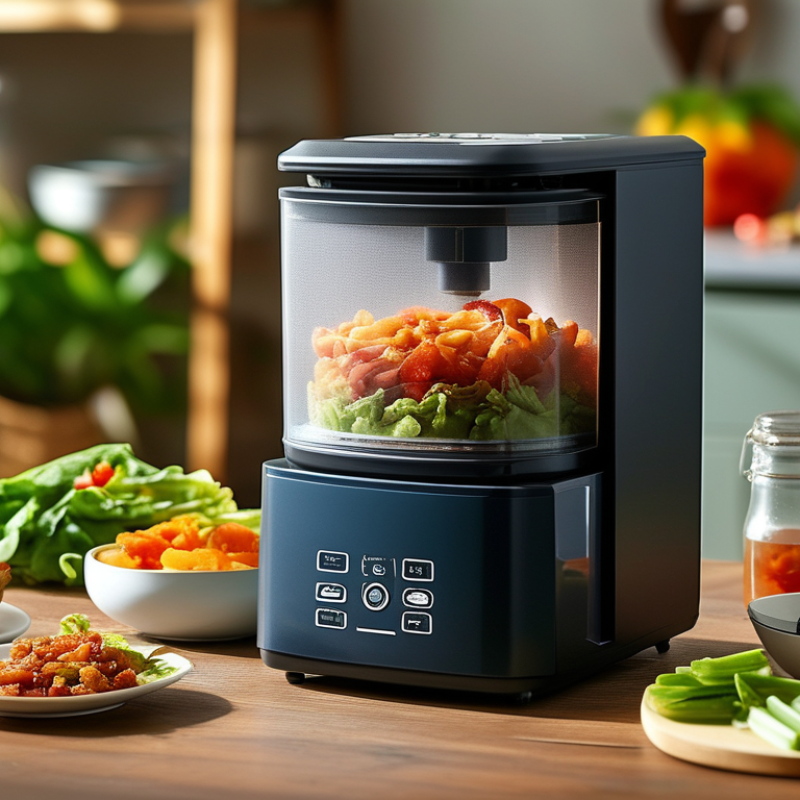
When selecting a food vacuum sealer, understanding the various types available is crucial.
Vacuum sealers generally fall into two main categories: external and chamber sealers.
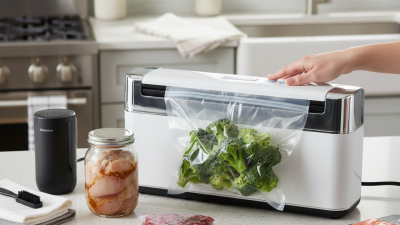
External sealers are more common and suitable for home kitchens. They are easy to use and compact.
However, they may struggle with liquids and delicate foods, leading to frustration during sealing.
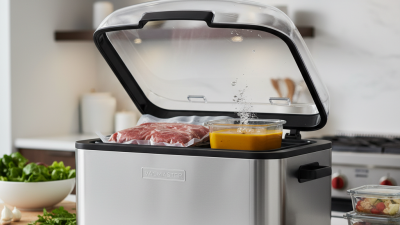
Chamber vacuum sealers, on the other hand, are more versatile. They can handle liquids and bulky packages better than external models.
These machines create a vacuum inside a chamber, providing a more consistent seal. Yet, they tend to be pricier and bulkier, which may not be ideal for everyone.
Many users experience confusion regarding their specific needs. For instance, a home cook may wonder if they require a heavy-duty option.
It’s important to assess your usage frequency and types of foods you plan to store.
Reflecting on these aspects can save you from purchasing a device you won't fully utilize.
Evaluate your kitchen space and budget before making a choice.
Key Features to Look for in a Food Vacuum Sealer
When choosing a food vacuum sealer, understanding key features can greatly enhance your food preservation experience. One essential aspect is suction power. A higher suction power typically leads to better sealing, removing more air and preventing freezer burn. According to industry reports, sealers with at least 20 inches of mercury (inHg) are more effective for home use.
Another important factor is versatility. Look for machines that offer both dry and moist settings. This is crucial when sealing different food types. For instance, sealing meat requires a different approach compared to dehydrated fruits. Moreover, some models include options for sealing jars and marinating foods. A study by the Food Safety and Inspection Service emphasizes the importance of proper sealing to extend food shelf life, recommending usage of multiple functions for best results.
Tips: Test the vacuum sealing method with various food types. Knowing how different foods react can save you time and materials. Also, consider the machine's durability. A reliable vacuum sealer should withstand frequent use without failing. It may be tempting to choose the cheapest option, but investing in quality pays off.
Lastly, ease of use affects your experience significantly. Choose a model with intuitive controls. Complicated systems can deter frequent use, leading to wasted food. Reflecting on your needs is crucial before making a choice. Prioritize features that align with your cooking and storage habits.
Evaluating Performance: Seal Quality and Durability Factors
When selecting a food vacuum sealer, performance is crucial. Seal quality directly impacts food preservation. A strong, airtight seal prevents moisture and air from entering. This extends the shelf life of your food, keeping it fresh for longer.
Look for machines that create consistent seals, as inconsistent performance can lead to spoilage. Sometimes, even reputable models struggle with certain bag types.
Durability is another vital factor. A vacuum sealer should withstand regular use without showing wear or malfunctioning. Check user reviews to gauge reliability over time. Some sealers may not handle heavy-duty tasks effectively.
It's also worth noting that occasional maintenance is needed. Cleaning the sealing strips can enhance the device's longevity.
Consider your specific needs. If you prepare bulk meals often, opt for a model with a high-performance rating. Additionally, think about the size and weight of the sealer for storage.
In some cases, smaller machines may compromise sealing quality. Balancing size and performance requires thoughtful evaluation. Regularly reflecting on your experiences can help you make better choices in the future.
Cost Analysis: Finding the Best Value for Your Budget
Choosing the right food vacuum sealer can be overwhelming. Each model comes with a range of features and price points. Understanding your budget is crucial. A high price does not always mean the best quality. Sometimes, lower-cost models perform just as well.
When analyzing costs, consider the long-term benefits. A reliable sealer can reduce food waste significantly. Some models allow for storage of various food types. Assess how often you cook or purchase in bulk. Think about the savings on groceries over time. This can justify a higher initial expense.
Look closely at the features you need. Simple operation might be more beneficial than advanced functions. It's tempting to go for the latest technology, but do you really need it? Reflect on your habits. A model with a steady performance could be a better investment. Balance your needs with your budget to discover real value.
Expert Recommendations: Top Brands and Models to Consider
When selecting a food vacuum sealer, it's essential to consider features that fit your lifestyle. Look for options that offer adjustable sealing settings. This allows you to customize the vacuum process for different types of food. A model with a built-in cutter can also save you time. Convenience is key, especially if you plan to use it frequently.
Tips: Check the sealing speed. Fast models prevent air exposure during the process, keeping food fresher longer. Also, pay attention to the warranty. A longer warranty often indicates the manufacturer's confidence in the product’s durability.
Look at the size and storage of the unit. A compact model may be easier to handle and store in small kitchens. However, larger units might provide additional features like marinading capabilities. Assess how often you will use the sealer. If only for occasional gatherings, a basic model could suffice. Reflect on your needs, and choose wisely for lasting satisfaction.