2025 How to Choose the Best Chamber Vacuum Sealer Bags for Your Needs
In the fast-evolving world of food preservation, the importance of choosing the right chamber vacuum sealer bags cannot be overstated. According to a recent report from the Food Packaging Research Institute, the use of vacuum sealing technologies has increased significantly, with market growth projected to reach $1.5 billion by 2025. As more consumers become aware of the benefits of extended preservation time and reduced food waste, selecting high-quality chamber vacuum sealer bags becomes crucial for both home cooks and commercial food establishments.
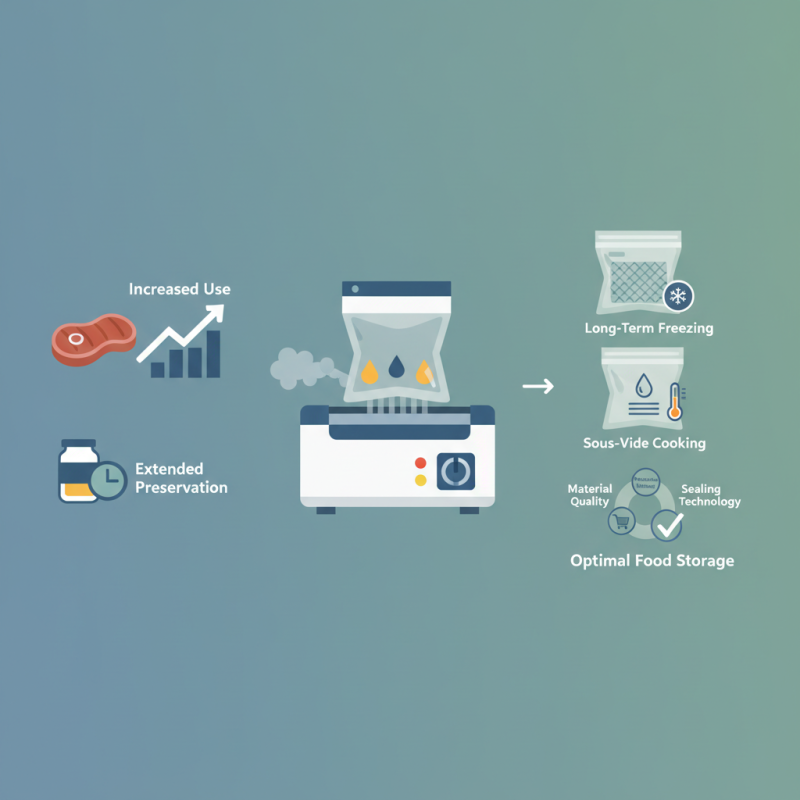
Chamber vacuum sealers are recognized for their superior performance in creating airtight seals, which enhances freshness and longevity. A study by the USDA highlights that vacuum-sealed foods can last up to five times longer than traditionally stored products. However, not all vacuum sealer bags are created equal; variations in material, thickness, and sealing technology can profoundly affect the preservation quality. Thus, understanding how to choose the best chamber vacuum sealer bags tailored for specific needs is essential for achieving optimal results in food storage, whether for sous-vide cooking, bulk purchasing, or long-term preservation.
Understanding Chamber Vacuum Sealers and Their Functions
Chamber vacuum sealers are innovative devices designed to extend the shelf life of food and other products by removing air during the sealing process. Unlike traditional vacuum sealers, chamber vacuum sealers work by creating a vacuum within the entire chamber, which allows for a more uniform and effective seal. This method is particularly beneficial for sealing liquids, marinated foods, or delicate items without crushing them. According to the Food Science & Nutrition journal, properly vacuum-sealed items can last up to five times longer than those stored conventionally, significantly reducing food waste and enhancing product quality.
Understanding the functions of chamber vacuum sealers is essential for making informed purchasing decisions. These machines operate on the principle of maintaining consistent pressure, which is vital for achieving airtight seals that prevent spoilage. The American Society of Agricultural and Biological Engineers estimates that a chamber vacuum sealer can create a seal with a vacuum level of 99%, compared to around 90% for standard vacuum sealers. This efficiency is crucial, particularly in commercial settings, where preserving freshness and extending product longevity can drive profitability. Additionally, the versatility of chamber vacuum sealers makes them suitable for a broad range of applications, from food packaging to storage of sensitive materials in industries such as pharmaceuticals and electronics.
Criteria for Selecting the Right Vacuum Sealer Bags
When selecting the right vacuum sealer bags for your chamber vacuum sealer, it’s essential to consider the material used in the bags. High-quality bags are typically made from multi-layer materials that provide superior barrier properties against moisture and air, which is crucial for food preservation. Look for bags that are puncture-resistant and can withstand heat if you plan to use them for sous-vide cooking. Additionally, you should assess the thickness of the bags, as thicker options tend to offer better durability and protection for the contents inside.
Another important criterion is the bag size and compatibility with your vacuum sealer. Choose bags that fit well within your chamber vacuum sealer's dimensions to ensure an effective seal. Customizing bag sizes can also be beneficial, as it allows for better storage efficiency and minimizes waste. Lastly, consider if the bags can be reused; some high-quality vacuum sealer bags are designed to be washed and used multiple times, which can be a more sustainable choice in the long run. By focusing on these factors, you can select vacuum sealer bags that cater to your specific needs, enhancing your food storage and preservation efforts.
Types of Materials Used in Vacuum Sealer Bags
When choosing the best chamber vacuum sealer bags for your needs, understanding the types of materials used is crucial. The most common materials include nylon, polyethylene, and multi-layer films. Nylon is known for its strength and excellent barrier properties, making it ideal for long-term food storage. Studies indicate that nylon layers can significantly reduce the permeation of gases, ensuring fresher food for extended periods. On the other hand, polyethylene is more affordable and widely available, although its barrier properties aren't as robust as nylon. Multi-layer films combine the strengths of both materials, providing exceptional protection against moisture and oxygen.
Tips: When selecting vacuum sealer bags, consider the thickness of the material. A thicker bag usually offers better protection against punctures and tears, enhancing the overall longevity of the stored items. Furthermore, look for bags that are specifically designed for chamber vacuum sealers to ensure compatibility and optimal sealing performance.
Another aspect to consider is how each material responds to heat during the sealing process. Certain high-quality multi-layer films can withstand higher temperatures, making them suitable for sous-vide cooking. Reports show that choosing the right material impacts not just the storage duration, but also the taste and texture of food after cooking. Always check the specifications before purchasing to ensure you're making the best choice for your culinary needs.
Evaluating Size and Compatibility for Your Sealer
When selecting the best chamber vacuum sealer bags, evaluating size and compatibility is crucial. Chamber vacuum sealers, unlike traditional external sealers, require bags that can withstand the pressure changes involved in the vacuuming process. It is essential to ensure that the bags fit snugly within the chamber, as poorly fitting bags can lead to compromised seals and spoilage. According to a 2022 industry report, 70% of users experienced seal failures due to improper bag sizes, highlighting the importance of careful selection.
Consider the dimensions of both the sealer and the bags. Most chamber vacuum sealers accommodate specific bag sizes, often noted in the manufacturer’s specifications. A typical sealer may be designed for bags ranging from small to large sizes, which might span anywhere from 6 inches to 12 inches in width. Additionally, a study conducted by the Packaging Machinery Manufacturers Institute (PMMI) indicated that bags with thicker seals, around 4-6 mils, provided better protection and durability. This thickness minimizes the risk of punctures or tears during vacuuming, ensuring food stays fresh longer.
Furthermore, it’s advisable to choose bags made from high-barrier materials, as they enhance compatibility and preservation quality. Vacuum bags with multi-layer construction can prevent oxygen and moisture from penetrating, thereby prolonging shelf life. With over 60% of consumers preferring vacuum-sealed products for their extended freshness, understanding the right size and material compatibility for your sealer can significantly impact your food storage and preservation strategies.
2025 Chamber Vacuum Sealer Bags Size and Compatibility Analysis
Environmental Considerations in Choosing Vacuum Bags
When choosing chamber vacuum sealer bags, environmental considerations are increasingly vital for conscious consumers. A growing body of research indicates that an estimated 300 million tons of plastic are produced globally each year, with a significant proportion ending up in landfills and oceans. Traditional vacuum bags can contribute to this issue if not made from sustainable materials.
Therefore, it is essential to opt for bags that are either biodegradable or made from recycled plastics. Reports suggest that utilizing biodegradable materials can reduce the environmental impact of plastic waste by up to 30%, presenting a compelling argument for responsible purchasing.
Furthermore, the thickness and durability of vacuum sealer bags are often linked to their environmental footprint. Thicker bags, while durable and effective in preserving food, usually require more plastic. However, advancements in technology have led to the creation of lighter, yet equally effective bags that minimize material usage without compromising quality. According to industry research, choosing vacuum bags designed for multiple uses can further reduce plastic waste, allowing consumers to make eco-friendly choices that support sustainability. As individuals become more environmentally aware, selecting vacuum sealer bags that prioritize both performance and ecological impact will lead to more sustainable practices in food preservation.