
What Is the Best Pouch Packing Machine in 2026?

Choosing the best pouch packing machine in 2026 requires more than comparing speed, price, or attractive product images. In real production, performance appears in small details: stable film tracking, clean seals, accurate filling, and quick format changes. A machine may advertise 80 bags per minute, yet deliver less when powder settles around the sealing jaws. That difference matters.

This guide examines pouch packing machine options through practical operating conditions. It considers pouch materials, product texture, filling accuracy, sealing temperature, control systems, sanitation, maintenance access, and operator training. It also reviews how manufacturers support installation, spare parts, validation, and troubleshooting. Experienced buyers usually inspect sample packages, measure seal strength, and run longer trials before approving equipment. A polished demonstration is useful, but it is not enough.

There is no single best machine for every factory. A compact unit may suit a growing business, while a multi-lane system may support demanding output targets. Sometimes, the cheapest purchase becomes the most expensive choice after repeated stoppages. That lesson is easy to overlook. Energy use, changeover time, rejected pouches, and future product plans deserve equal attention. This introduction also recognizes an uncomfortable point: specifications can look precise while real results remain uncertain. Therefore, readers should verify claims with documented tests, qualified technicians, and relevant food-packaging or workplace requirements. The goal is not to promote one supplier. It is to provide a careful framework for choosing reliable, safe, and commercially suitable equipment in 2026.
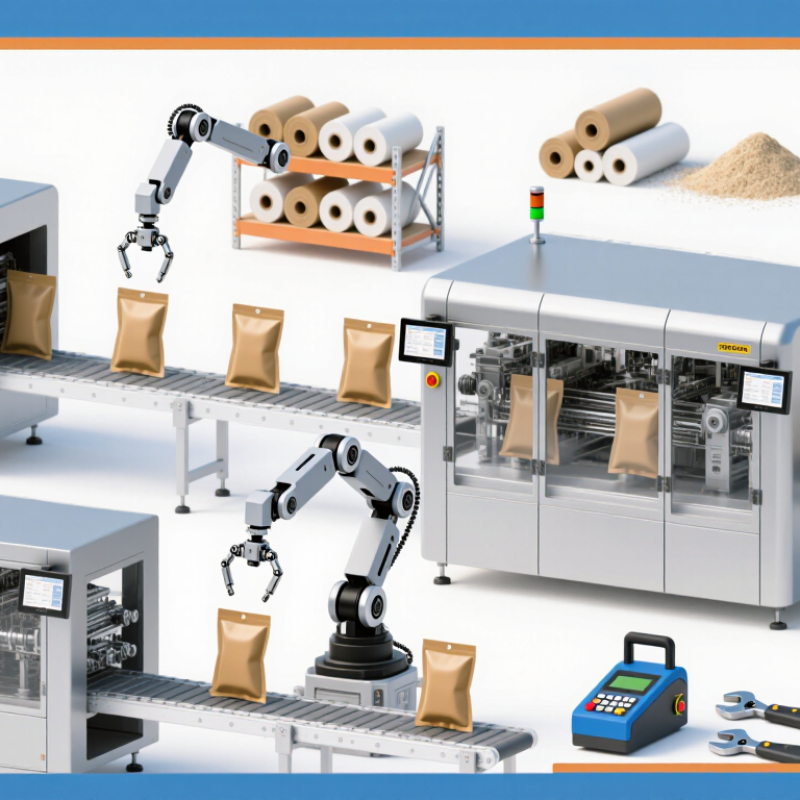
What Is the Best Pouch Packing Machine in 2026?

What Is a Pouch Packing Machine? Types, Functions, and 2026 Market Data

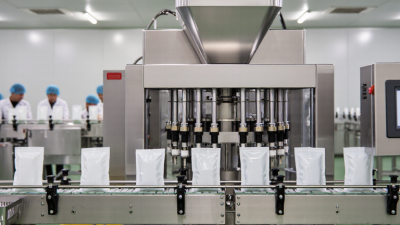
A pouch packing machine fills and seals flexible bags with measured products. It may handle powders, granules, liquids, or small solid items. The best machine in 2026 depends on the product, pouch format, output target, and required accuracy. There is no universal winner.

Common types include vertical form-fill-seal machines, premade pouch machines, stick-pack systems, and sachet machines. Vertical systems create pouches from film rolls, while premade pouch machines open, fill, and seal ready-made bags. Auger fillers suit powders. Multihead weighers handle snacks and irregular pieces. Piston or flow-meter fillers often serve liquids. The details matter.

Core functions include film forming, dosing, pouch opening, heat sealing, date coding, inspection, and rejection. Modern equipment increasingly uses servo drives, touchscreen controls, recipe storage, and vision inspection. Available 2026 market analyses indicate steady global demand, supported by portion control, lightweight packaging, and retail convenience. However, reported growth rates vary by region and research method. That difference deserves attention.

In production trials, seal consistency is often more important than impressive speed. A fast machine with unstable dosing creates waste. I would test the actual product, film, temperature range, and cleaning routine before choosing. Some specifications look excellent on paper. Reality can be less cooperative. Operators also need safe access, clear alarms, and practical changeover times.

How Do VFFS, HFFS, and Premade-Pouch Machines Differ in Practice?

What Is the Best Pouch Packing Machine in 2026?

How Do VFFS, HFFS, and Premade-Pouch Machines Differ in Practice?

Choosing the best pouch packing machine starts with the product, not the machine label. VFFS systems form bags vertically from roll stock, then fill and seal them. They suit powders, grains, snacks, and other free-flowing products. Their footprint is often compact, which helps in crowded production rooms. Film changes can still require patience and careful alignment.

HFFS machines form pouches horizontally and usually provide better control for flat, shaped, or delicate products. They can create attractive pouch profiles and support clean presentation. However, their setup may involve more moving parts and longer changeover checks. In practice, sealing temperature, jaw pressure, and product placement deserve close attention. Small errors become visible quickly.

Premade-pouch machines use bags produced in advance. They can deliver consistent appearance and handle products needing gentle loading. Operators often appreciate simpler pouch storage and quick visual inspection. The tradeoff is higher packaging material cost and stricter pouch-size control. A poorly made pouch can disrupt the entire line. It happens.

From practical evaluations, VFFS often favors efficiency and material flexibility. HFFS favors shape, presentation, and controlled handling. Premade-pouch equipment favors appearance and operational convenience. These advantages overlap, so the “best” choice is rarely universal. My own recommendation would remain provisional until testing the real product, pouch film, fill weight, speed, and cleaning routine. Lab results can mislead. Production conditions are less forgiving.

What Is the Best Pouch Packing Machine in 2026? — How Do VFFS, HFFS, and Premade-Pouch Machines Differ in Practice?

Practical comparison of the three main pouch-packaging formats using typical commercial operating ranges.

Evaluation Dimension VFFS Machine
(Vertical Form-Fill-Seal)
HFFS Machine
(Horizontal Form-Fill-Seal)
Premade-Pouch Machine
How the Pouch Is Made Forms a pouch from a continuous roll of flexible film, fills it vertically, and seals it in-line. Forms a pouch from a film web, fills it horizontally, and seals it through a horizontal packaging cycle. Opens, fills, and seals pouches that have already been manufactured and supplied separately.
Typical Pouch Formats Pillow pouch Gusseted bag Quad-seal bag Stick pack Sachet Three-side seal Four-side seal Flat pouch Stand-up pouch Spouted pouch Stand-up pouch Zipper pouch Spouted pouch Retort pouch Specialty pouch
Typical Output Range Approximately 30–120 bags per minute for many general-purpose applications; multi-lane systems can exceed this range. Approximately 20–100 pouches per minute, depending on pouch style, filling method, and machine configuration. Approximately 20–80 pouches per minute for many standard applications; output is affected by pouch handling and filling stations.
Best Product Types Powders, granules, snacks, cereals, frozen foods, pet food, hardware, and other free-flowing products. Solid products, fragile items, bakery products, confectionery, medical devices, wet products, and products requiring controlled horizontal handling. Premium snacks, coffee, sauces, liquids, products requiring zippers or spouts, delicate products, and packages with complex shapes.
Product Handling Orientation Product is generally dosed from above into a vertically oriented pouch. Product travels and is filled along a horizontal path, which can reduce drop height for fragile products. Pouch is opened and held in a fixed position while the product is dosed into the finished pouch.
Common Filling Systems Multihead weigher, linear weigher, auger filler, volumetric cup filler, liquid pump, or piston filler. Auger filler, piston filler, volumetric filler, liquid pump, counting system, or robotic loading system. Multihead weigher, auger filler, liquid pump, piston filler, cup filler, counting system, or combination filler.
Film and Pouch Material Uses rollstock such as laminated films, coated films, recyclable mono-material films, and heat-sealable structures. Uses rollstock with heat-sealable layers and may support a broad range of flexible laminate structures. Uses finished pouches made from laminated films, mono-material structures, high-barrier films, retort films, or spouted constructions.
Typical Sealing Options Heat sealing, impulse sealing, or ultrasonic sealing, depending on the film and product requirements. Heat sealing, impulse sealing, ultrasonic sealing, or specialized sealing jaws for selected applications. Heat sealing is most common; some systems also support gas flushing, vacuum sealing, or controlled resealing features.
Packaging Speed Advantages High throughput with efficient continuous film handling and relatively compact production flow. Good control over pouch presentation and product placement, especially for single items or fragile products. Efficient for premium pouch designs and applications where pouch appearance and features are more important than maximum speed.
Changeover Characteristics Usually fast for similar bag formats; forming tubes, dosing equipment, and sealing parts may need adjustment. Moderate changeover time; pouch dimensions, forming components, filling heads, and sealing settings may require adjustment. Often straightforward when changing between premade pouch sizes, but pouch magazines, opening systems, and filling tooling may need setup.
Material Waste Considerations Generally low to moderate film waste because pouches are formed directly from rollstock; setup waste depends on registration and sealing control. Generally low to moderate film waste; waste can increase with complex pouch shapes or frequent format changes. Minimal forming waste at the machine, but finished pouches may have higher upstream material and conversion costs.
Packaging Appearance Provides efficient, practical packaging; appearance depends on film registration, seal quality, and pouch-forming accuracy. Supports attractive flat or shaped pouches with controlled product positioning and clean presentation. Usually provides the greatest design flexibility, including zippers, spouts, handles, special shapes, and high-end graphics.
Space Requirement Usually compact and vertically oriented, making it suitable where floor space is limited. Typically requires more linear floor space because forming, filling, and sealing occur along a horizontal path. Usually requires moderate floor space for pouch feeding, opening, filling, sealing, and discharge stations.
Labor Requirement Low to moderate during normal operation; operators commonly manage film loading, product supply, quality checks, and changeovers. Low to moderate; operators manage film, filling equipment, product alignment, and sealing quality. Low to moderate in automated systems, although pouch loading and pouch-quality inspection may require additional attention.
Initial Investment Level Typically low to medium for standard configurations; cost increases with multi-lane operation, special dosing, and inspection systems. Typically medium; complex pouch forming, special filling, and multiple stations can increase the investment. Typically medium to high because the machine requires reliable pouch opening, handling, filling, and sealing mechanisms.
Operating Cost Profile Often favorable for high-volume products because rollstock is efficient and pouch forming is integrated into the process. Can be favorable for products that need careful handling, but tooling and format-specific components may add cost. Finished pouches generally cost more per package than rollstock, but they can reduce pouch-forming complexity and improve product presentation.
Product Protection Can support gas flushing, dust control, moisture barriers, and hermetic sealing when matched with suitable film and settings. Can provide strong sealing and controlled product placement for products sensitive to impact or deformation. Can provide high-barrier protection, zipper reclosure, vacuum capability, and specialized formats for demanding applications.
Recommended Production Scenario Best for high-volume products, standardized pouch formats, and operations prioritizing throughput and efficient film use. Best for products that need gentle handling, precise placement, flat or shaped pouch formats, or horizontal processing. Best for premium products, frequent pouch-format variation, special pouch features, and operations that prioritize presentation and flexibility.
Main Limitation Less suitable for very delicate products or highly complex pouch features unless additional handling and forming equipment is used. May require more floor space and more format-specific tooling than a standard vertical system. Premade pouches have higher packaging-material costs and require consistent pouch dimensions and reliable pouch quality.
Best Choice When... You need high output, efficient rollstock use, and a standardized bag for powders, granules, snacks, or similar products. You need controlled horizontal handling, attractive flat or shaped pouches, or gentle treatment of individual products. You need premium pouch features, frequent format changes, complex pouch designs, or strong emphasis on shelf appearance.
Data note: The figures shown are typical industry ranges for general commercial configurations, not guaranteed machine specifications. Actual speed, pouch size, sealing performance, material compatibility, and total cost depend on the product, film structure, pouch dimensions, filling accuracy, automation level, and local operating conditions.

Which Machines Deliver 30–120 Packs per Minute with ±1% Fill Accuracy?

What Is the Best Pouch Packing Machine in 2026?

The best pouch packing machine depends on product flow, pouch size, and the required output. Machines producing 30–120 packs per minute now support many food, powder, and granule applications. However, speed alone does not prove performance. A stable machine should maintain accurate dosing near ±1% during extended production runs. Servo-driven film control can improve pouch alignment and reduce sealing variations. Multihead weighers suit irregular products, while auger fillers often handle powders more consistently. Liquid products need controlled pumping and anti-drip filling systems.

In practical trials, accuracy usually changes when product density shifts. Humidity, temperature, and inconsistent feeding can affect every pouch.

Operators should check sample weights frequently, especially after film-roll changes. A machine may reach 120 packs per minute in ideal conditions, but slower operation can deliver better accuracy. This trade-off is easy to overlook. Noise, cleaning time, and changeover access also influence real production costs. A technically impressive machine may still frustrate operators if adjustments feel unclear.

Tips: Request a live test using your actual product and pouch material. Measure at least 100 consecutive packs, not only five samples. Check the average weight, weight range, sealing strength, and rejected pouch rate. Ask whether ±1% accuracy applies across the full speed range. Review calibration procedures and spare-part access before purchase. Leave room for uncertainty; laboratory results rarely match a dusty, busy production floor.

How Do Pouch Material, Product Form, Seal Type, and Format Affect Selection?

What Is the Best Pouch Packing Machine in 2026?

The best pouch packing machine depends on the product, not the machine’s advertised speed. Smithers estimates the global flexible packaging market will exceed 300 billion dollars by 2028. That growth increases pressure to choose equipment carefully. Film structure affects friction, stiffness, barrier performance, and heat-sealing temperature. Mono-material films may simplify recycling goals, but they can narrow the sealing window. In production, that difference matters.

Powders need controlled dosing and dust management. Granules require accurate volumetric or multihead weighing. Liquids demand clean filling, anti-drip design, and stable pouch support. Viscous products can expose weak seals quickly. Seal type also changes machine selection. A three-side seal suits compact sachets, while a stand-up pouch needs stronger bottom forming and zipper control. ASTM F88 seal-strength testing can help verify the result.

Format changes the entire layout. Small pouches often need fast indexing and precise film tracking. Large bags need stronger pulling systems and wider sealing jaws. PMMI reports that packaging operations increasingly prioritize automation, flexibility, and fast changeovers. Yet flexibility is not free. More formats usually mean more tooling, adjustments, and operator training. A neat spreadsheet can still mislead. I would test the actual film, fill weight, seal temperature, and drop resistance before approving a machine. Sometimes, the slower machine delivers fewer rejects and better uptime.

What Is the Best Pouch Packing Machine in 2026?

The best machine depends on pouch material, product form, seal type, and package format. The chart shows an application-fit score from 1 to 5, where 5 indicates broader practical suitability.

Rollstock VFFS machines are commonly suited to powders and free-flowing granules. Premade-pouch systems offer stronger flexibility for liquids and viscous products, while stick-pack machines are optimized for narrow, single-dose formats. Final selection should also verify film barrier requirements, heat-seal compatibility, filling accuracy, cleaning needs, and the required pouch style.

How Should Buyers Compare OEE, Automation, Food Safety, and Total Cost?

Choosing the best pouch packing machine in 2026 requires more than checking its advertised speed. OEE offers a clearer view of real performance. Measure availability, operating speed, and acceptable output during normal production. A machine rated for 120 pouches per minute may deliver 86 after changeovers, film jams, cleaning, and minor stops. Record results across several shifts, not one demonstration.

Automation should reduce repetitive work without creating hidden complexity. Servo-driven dosing, automatic film tracking, recipe storage, and quick tool-free adjustments can shorten changeovers. Operators still need clear controls and practical training. Ask how faults are displayed and how quickly a technician can restore production. More sensors are not always better. Poorly configured automation can increase downtime.

Food safety must be checked at the machine surface, not only in the brochure. Look for hygienic frames, cleanable contact areas, controlled sealing temperatures, and documented material compatibility. Confirm how the design supports inspection and sanitation records. Total cost includes installation, spare parts, energy, compressed air, labor, training, and disposal of rejected pouches. Request a five-year ownership estimate with realistic maintenance assumptions. No spreadsheet is perfect. Buyers should test actual product, pouch film, fill weight, and cleaning routines before approval. A short factory trial often reveals leaking seals, awkward access points, or changeovers that take twice as long as promised.