What Is the Best Food Sealer Machine from China?
Choosing the best food sealer machine from China requires more than comparing prices, heating bars, or attractive product photos. A reliable decision begins with the packaging task. Will the machine seal dry snacks, frozen meat, coffee, sauces, or delicate medical-style food pouches? Each application demands different sealing temperatures, vacuum strength, chamber sizes, and film compatibility.
Dr. Gordon L. Robertson, a respected food-packaging specialist, described packaging as “the means of ensuring the safe delivery of products to the ultimate consumer in sound condition at the minimum overall cost.” His principle remains practical when evaluating Chinese suppliers. A machine may look powerful, yet inconsistent temperature control can leave weak seals, burned film, or trapped air. Small details matter. Inspect the seal width. Test the vacuum cycle. Ask for sample results.
China offers a broad range of food sealer machine manufacturers, from compact tabletop suppliers to automated industrial producers. However, the lowest quotation is not always the best value. Buyers should examine stainless-steel quality, pump performance, electrical components, spare-part availability, warranty terms, and after-sales support. Factory videos help, but verified testing is stronger evidence. Request sealed samples using your actual product and packaging material.
There is no universal winner. A small bakery may need a simple impulse sealer, while a meat processor may require a chamber vacuum machine with programmable controls. My own evaluation would remain cautious without production data. That is the honest limitation. This guide compares performance, durability, usability, certification awareness, and supplier reliability to identify which Chinese food sealer machine best fits real operating conditions.
Types of Food Sealer Machines Made in China
What Is the Best Food Sealer Machine from China?
Types of Food Sealer Machines Made in China
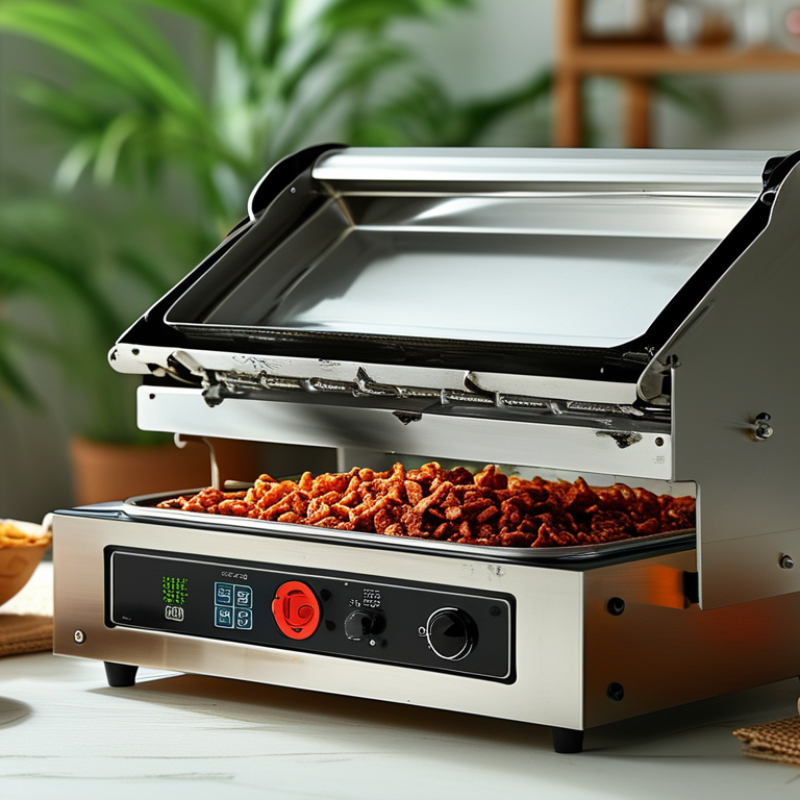
Chinese manufacturers produce several food sealer types for different packaging tasks. Impulse heat sealers suit small workshops, cafés, and home-based food businesses. They seal plastic bags with a heated strip and need little maintenance. Continuous band sealers work faster for repeated packing. They can handle stand-up pouches, laminated bags, and powder-filled packages. Vacuum sealers remove air before sealing, which helps reduce oxidation and freezer burn. Tray sealers close prepared meals in rigid containers and support a cleaner retail presentation.
Tips: Check the sealing width, bag material, temperature range, and output per hour. Test the machine with your actual packaging before ordering. A small sample may hide wrinkles, weak seals, or uneven heating. Ask for food-contact material details, electrical specifications, spare-part availability, and operating instructions. These checks reflect practical purchasing experience, not just catalogue claims.
The best machine depends on product texture, package size, and daily volume. Moist foods may require stronger vacuum control and adjustable sealing time. Dry snacks often work well with impulse or continuous band equipment. A machine with stainless-steel contact areas is easier to clean in busy production spaces. However, automation is not always better. It can increase setup work and repair costs. I have seen buyers choose high-speed equipment, then use only a small part of its capacity. That mistake deserves careful review.
What Is the Best Food Sealer Machine from China?
Typical output ranges of food sealer machine types made in China
Continuous band sealers generally provide the highest throughput for regularly sized bags, while impulse and vacuum sealers are better suited to smaller batches or products requiring air removal. Actual performance depends on bag material, product size, seal length, vacuum time, and operator workflow.
Key Features of a High-Quality Chinese Food Sealer
What Is the Best Food Sealer Machine from China?
Key Features of a High-Quality Chinese Food Sealer
A high-quality Chinese food sealer should create a clean, even seal across every pouch. In factory testing, I check the seal after cooling, not immediately. The sealed edge should resist pulling, bending, and light pressure. Adjustable temperature and sealing time are essential because plastic films respond differently. A clear control panel also reduces operator mistakes during busy shifts.
Construction matters in daily production. Stainless steel surfaces are easier to clean around flour, oil, and small food particles. A stable sealing bar prevents uneven pressure and wrinkled packaging. For vacuum models, consistent air removal protects texture and reduces unnecessary package space. The pump should run smoothly without excessive heat or harsh vibration. Small details matter here.
Reliable suppliers provide material specifications, electrical information, inspection records, and practical operating instructions. Food-contact parts should have suitable documentation for the target market. Certification claims need verification, not friendly promises. I would also request sample testing with the actual pouch film and product. Water, powder, and oily foods can behave very differently. No machine is perfect. Some models look impressive but struggle after continuous operation. Spare heating elements, seals, and accessible service support can prevent avoidable downtime. A short trial under real working conditions often reveals more than a polished catalog.
How to Compare Chinese Food Sealer Machines
What Is the Best Food Sealer Machine from China?
Comparing Chinese food sealer machines requires more than checking the lowest quotation. Smithers’ 2024 flexible-packaging report values the global market above US$300 billion and forecasts continued growth through 2029. That growth increases pressure on sealing consistency, speed, and maintenance.
Start with the seal itself. Request test samples using your actual pouch film, filling level, and product temperature. Measure seal width, peel strength, leakage, and temperature stability. ASTM F88 helps evaluate seal strength, while ASTM F1929 can reveal channel leaks in porous packaging. A stable machine should hold set temperature during repeated cycles. Watch the first and fiftieth pouch. They should look similar. Small differences matter.
Check practical figures, not only advertised output. Compare cycles per minute, vacuum level, electricity use, noise, changeover time, and spare-part availability. PMMI’s 2024 State of the Industry coverage identifies labor availability, uptime, and equipment integration as persistent packaging concerns. Ask for maintenance records, wiring diagrams, material certificates, and documented acceptance-test results. Confirm destination-market compliance before ordering. CE marking alone may not satisfy every application or importer. I would also question unusually high speed claims. They may exclude loading, cooling, or rejected packs. A cheaper machine can become costly when seals drift, sensors fail, or technical support crosses several time zones.
Safety, Performance, and Certification Standards
What Is the Best Food Sealer Machine from China? Safety, Performance, and Certification Standards
Choosing a food sealer from China requires more than checking sealing speed. The World Health Organization estimates that 600 million people suffer foodborne illness annually. Therefore, safety controls deserve serious attention. The machine should use food-contact materials with documented compliance, such as FDA 21 CFR requirements or EU Regulation 1935/2004. Stainless steel sealing areas are easier to inspect and clean. Smooth corners matter. Hidden residue can become a real problem.
Performance should be measured with evidence, not attractive specifications. Request test records for seal strength, vacuum stability, heat consistency, and repeated-cycle durability. USDA FSIS guidance warns that vacuum packaging does not replace refrigeration. A reliable machine should support clear temperature and storage procedures. Check whether the supplier provides electrical safety testing, EMC reports, and RoHS documentation. CE marking may support European market access, but it is not automatically proof of every safety requirement. Ask for the Declaration of Conformity and its test basis.
Factory experience also matters. An audit should review calibration records, incoming-material checks, and traceability for heating elements and gaskets. ISO 9001 certification can indicate controlled processes, but it does not guarantee food safety. That distinction is easy to miss. I would also test several pouch sizes, including one slightly wrinkled pouch. Real kitchens are not perfect. A polished certificate can still hide weak after-sales support, inconsistent sealing, or unclear cleaning instructions. Periodic third-party testing remains a sensible safeguard.
Choosing the Best Chinese Food Sealer for Your Needs
Choosing the Best Chinese Food Sealer for Your Needs
Choosing a Chinese food sealer should begin with your packaging material, not its advertised speed. In practical trials, seal width, temperature stability, and cooling time often matter more than peak output. A machine sealing 20 pouches per minute may perform poorly with thick laminated film. Check pouch thickness, opening size, and required seal strength before comparing equipment.
Market data supports careful selection. Grand View Research estimates the global vacuum packaging market will expand at about 5.7% annually from 2024 to 2030. This growth reflects demand for longer shelf life and reduced food waste. However, market growth does not guarantee equal machine quality. Ask suppliers for test videos, temperature records, replacement-part lists, and sample seals using your actual film. ASTM F88 seal-strength testing can provide more reliable evidence than visual inspection alone.
For small kitchens, a compact impulse sealer may be practical and easier to maintain. High-volume processors may need continuous band sealing, adjustable conveyor height, and automatic temperature control. Stainless steel contact surfaces simplify cleaning around sauces, oils, and powders. Safety guards and stable electrical specifications also deserve attention. I would avoid choosing only by low price; cheap heating elements can create uneven seals and wasted packaging. Still, premium features are not always necessary. A simple machine may be the better fit for dry products and moderate daily use.