2026 Top Industrial Vacuum Packaging Machine Types
The 2026 Industrial Vacuum Packaging Machine market is becoming more specialized, not simply larger. Food processors, pharmaceutical manufacturers, and hardware suppliers now require equipment matched to product shape, moisture, speed, and hygiene demands. A machine that performs well with fresh meat may struggle with sharp metal parts or liquid-rich foods. That difference matters.
Dr. Gordon L. Robertson, a respected food-packaging researcher, stated, “Packaging is a means of delivering food safely to the consumer.” His observation remains practical today. Vacuum packaging removes air, reduces oxidation, and helps control contamination risks when operators follow validated procedures. However, vacuum sealing is not a complete safety system. Temperature control, sanitation, material compatibility, and storage conditions still require careful management.
This guide examines the main 2026 machine types, including single-chamber, double-chamber, belt, thermoforming, and tray-sealing systems. Each design presents a different balance between throughput, automation, floor space, and maintenance. A double-chamber machine may suit a medium processor handling mixed products. A thermoforming line may better serve high-volume operations with consistent pack sizes. Small details matter: uneven seals, wet film edges, or a worn pump can reduce reliability quickly.
Real facilities are rarely perfect. Staff training may vary, and production schedules can change suddenly. Therefore, buyers should assess actual product samples, cycle times, seal strength, cleaning routines, and service access before choosing equipment. Cost alone can mislead. The cheapest machine may create higher downtime and material waste. A careful comparison produces better decisions, although even a well-designed packaging line requires continuous review.
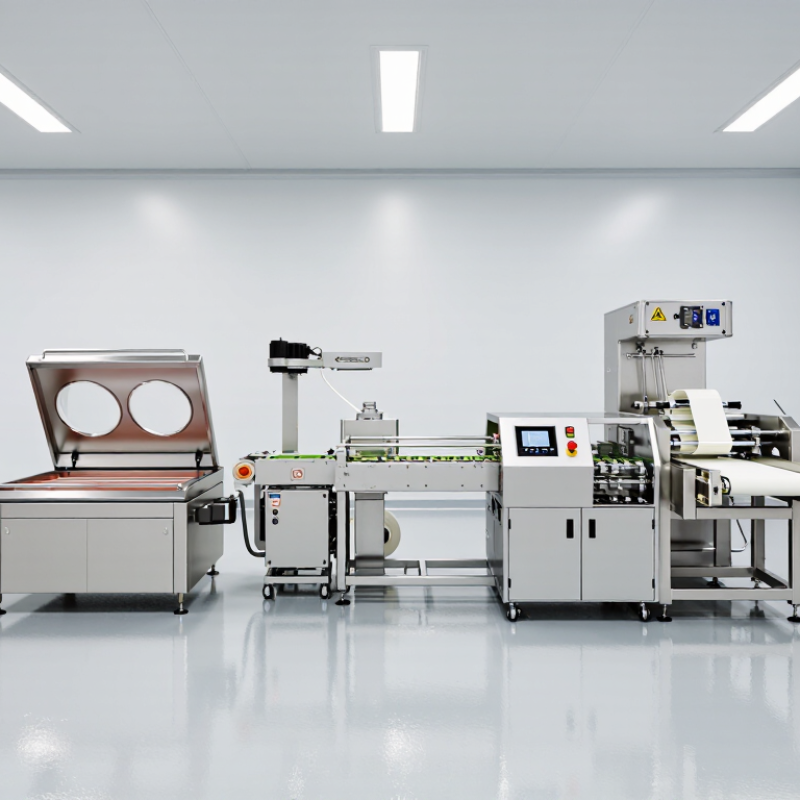
Industrial Vacuum Packaging Machines: Definition and Core Functions
Industrial Vacuum Packaging Machines: Definition and Core Functions
An industrial vacuum packaging machine removes air from a sealed package before applying controlled heat. This process reduces oxygen exposure, limits package volume, and helps protect food, medical supplies, and industrial components during storage. It does not sterilize products. That distinction matters. The machine usually combines a vacuum pump, sealing bars, pressure controls, sensors, and programmable timing. Chamber models suit batch production, while conveyor systems support continuous throughput. Gas flushing can also replace removed air with a controlled atmosphere.
According to Allied Market Research, the global vacuum packaging market was valued at approximately USD 29.6 billion in 2021. The report projects about USD 43.4 billion by 2031. This growth reflects demand for longer shelf life, cleaner presentation, and fewer transport losses. Yet market growth does not guarantee correct machine selection. Film thickness, product moisture, package size, and line speed can change performance sharply. A wet product may contaminate the seal area. A fragile product may collapse under excessive vacuum.
Tips: Test real products, not empty bags. Measure residual oxygen and seal strength regularly. Check pump capacity during peak cycles. Operators should record temperature, pressure, and sealing time. Small deviations become expensive quickly. One practical mistake is trusting the machine display alone; independent verification is still necessary. The FDA Food Code and relevant ISO 11607 packaging guidance can support validation, but neither replaces site-specific testing. Cleaning access, noise, energy use, and maintenance intervals also deserve attention before purchase. Some specifications look impressive on paper, but production floors can disagree.
Main Types of Industrial Vacuum Packaging Machines
2026 Top Industrial Vacuum Packaging Machine Types
Main Types of Industrial Vacuum Packaging Machines
Industrial vacuum packaging machines now serve different production rhythms, not one universal line. Chamber machines remove air inside a sealed chamber, making them suitable for meat, cheese, powders, and irregular products. Double-chamber models improve throughput because operators can load one chamber while the other seals. Thermoforming machines create bags from rollstock, then vacuum and seal products continuously. Tray-sealing systems suit prepared foods and rigid containers, especially when presentation matters.
Market evidence supports continued investment. PMMI reported U.S. packaging machinery shipments above 10 billion dollars in 2023, showing strong automation demand. Grand View Research also forecasts roughly 4% annual growth for the broader vacuum packaging market through 2030. These figures do not guarantee every factory gains efficiency. Poor film selection, weak seals, and unsuitable pump capacity still create waste. That part is often underestimated.
Tips: Test the actual product, not a sample substitute. Measure cycle time, residual oxygen, seal strength, and cleaning time. For wet products, inspect the pump oil and condensation path daily. A faster machine may perform worse if workers cannot load it consistently. My practical preference is simple: choose the machine that matches product geometry, hygiene needs, and hourly volume, even when its specification sheet looks less impressive.
2026 Top Industrial Vacuum Packaging Machine Types
The chart compares representative nominal throughput levels for the main industrial vacuum packaging machine types. Single-chamber and double-chamber machines are commonly used for batch production, while belt-type and thermoform-fill-seal systems are designed for higher-volume continuous production. Actual output varies with product size, film format, vacuum time, sealing time, and operator or line configuration.
Key Selection Criteria for Different Industries
Industrial vacuum packaging machines in 2026 should be selected by product risk, production speed, and workplace conditions. Chamber machines suit meat, seafood, sauces, and other products with liquid residue. The enclosed chamber removes air evenly and reduces sealing contamination. External vacuum machines work better for dry goods, spare parts, and smaller production runs. They usually require less floor space.
Food processors should examine seal strength, cleaning access, cycle consistency, and compatibility with approved packaging films. A wet product can damage a weak pump or create unreliable seals. Pharmaceutical and medical manufacturers need controlled processes, documented settings, and materials suitable for regulated environments. Vacuum level alone is not enough. Traceability matters.
For large factories, automatic belt or thermoform systems can reduce handling and support continuous output. Their value depends on product dimensions, changeover time, and available maintenance skills. A machine that runs quickly may still waste money if operators struggle with film alignment. I have seen specifications look impressive while daily cleaning becomes the real bottleneck. That detail is easy to miss.
Workshops should also measure pump capacity, noise, energy use, and service access before purchasing. Test real products, including uneven portions and warm items. Small trials reveal problems that brochures cannot. Leave space around the machine. Crowded layouts slow repairs and increase avoidable mistakes. Selection should balance today’s volume with realistic growth, not an optimistic forecast.
2026 Trends in Industrial Vacuum Packaging Technology
In 2026, industrial vacuum packaging is moving from simple air removal toward measured, connected control. Chamber machines remain practical for meat, cheese, powders, and components because they handle varied bag sizes. Belt-fed systems suit continuous production, while rotary machines serve plants needing higher throughput in limited floor space. The choice now depends on product shape, moisture, cycle time, and cleaning access. A faster pump is not automatically a better investment.
Sensor-based systems are becoming more common. Pressure sensors can detect unstable vacuum levels, and temperature monitoring helps protect sealing consistency. Operators can review cycle data, identify rising pump load, and schedule maintenance before contamination affects packages. Some lines also adjust vacuum time for delicate products, reducing crushed corners and unnecessary energy use. These features improve traceability, but only when staff understand the readings. Data without training creates confidence, not control.
Hygienic design is receiving stronger attention in 2026. Sloped surfaces, tool-free access, washable seals, and stainless construction can shorten cleaning routines. Energy-saving pumps may reduce operating costs, although savings vary with shift patterns and ambient temperature. Recyclable high-barrier films are also influencing sealing heat and dwell time. Field experience still matters. A promising specification can fail beside a wet floor, an overloaded conveyor, or an operator rushing the final seal. Pilot testing with real products remains the most honest way to expose those weaknesses.