
2026 Top Commercial Vacuum Sealer Machines for Buyers

Choosing the right commercial vacuum sealer machine can shape product quality, labor costs, and daily production speed. In busy kitchens, butcher shops, meal-preparation facilities, and small factories, sealing is not a minor task. A weak seal may cause leaks, freezer burn, wasted packaging, or unhappy customers.

This 2026 guide examines top commercial vacuum sealer machines for buyers who need practical, dependable equipment. It considers pump performance, sealing-bar length, chamber size, cycle time, material quality, controls, cleaning access, and warranty support. These details matter when staff seal dozens of bags before lunch. They matter more when the machine operates for several hours each day.

Real work reveals limitations.

A powerful pump does not guarantee a better purchase. Some machines are fast but difficult to clean. Others offer strong stainless-steel construction but consume valuable counter space. Based on equipment comparisons, operating observations, and common buyer feedback, this guide focuses on measurable performance rather than attractive specifications alone. Still, every ranking has weaknesses. Product availability, regional service, packaging materials, and operator habits can change the result.

Buyers should compare their actual workload before choosing. A restaurant may value speed and simple controls, while a processor may require deeper chambers and programmable cycles. The best choice is not always the most expensive model. It is the machine that seals consistently, fits the workspace, and remains supportable after purchase. Small details often decide that outcome.
2026 Top Commercial Vacuum Sealer Machines for Buyers

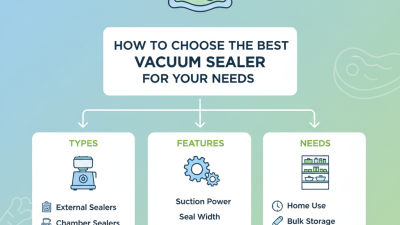
Commercial Vacuum Sealer Types: Chamber, External, Tray, and Belt Models

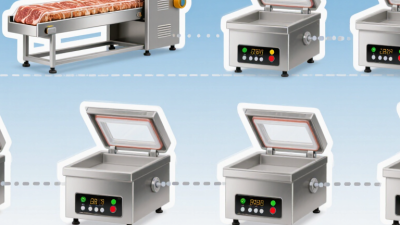
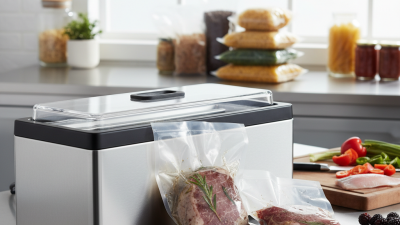
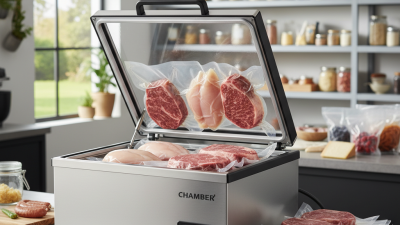
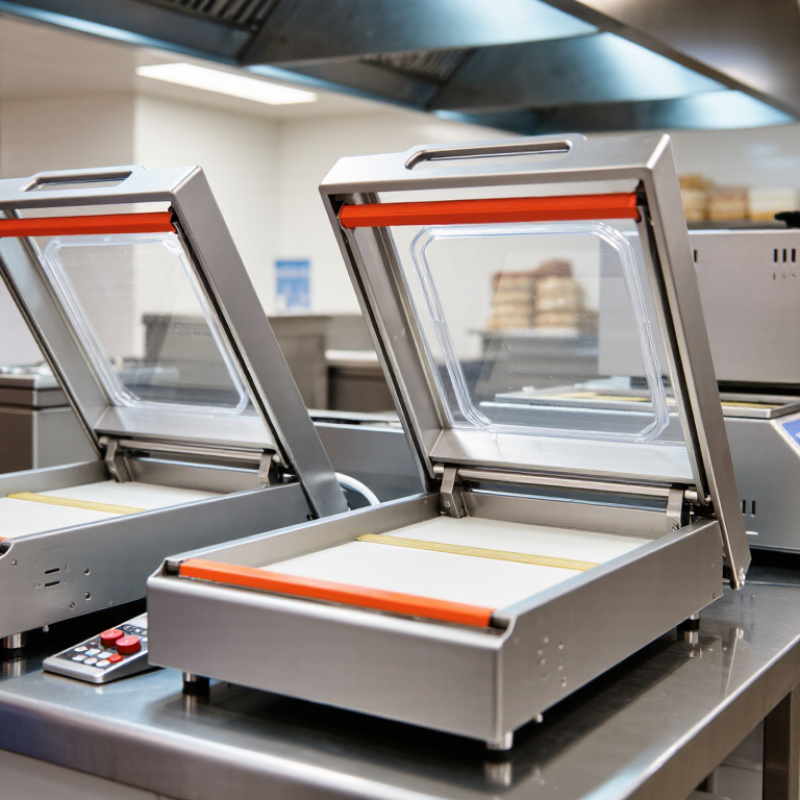
Commercial vacuum sealers fall into four useful categories. Chamber models place the filled bag inside a sealed chamber. They handle moist foods well because pressure equalizes around the package. Their larger footprint and cleaning needs can catch buyers off guard. External models draw air through an open bag edge, making them practical for dry products and smaller workspaces. They are less suitable for liquids or very wet foods.

Tray sealers close prepared trays with film, helping kitchens maintain neat portions and consistent presentation. Check tray sizes, film availability, and changeover time before choosing one. Belt models move packages continuously, which suits steady, higher-volume production. That speed is valuable only when the rest of the line can keep pace. A faster sealer will not fix slow loading or uneven product sizes. The right choice is not always obvious; expected volume and package style matter as much as machine speed.

Tips: Test your actual product and packaging before purchase. Watch for trapped liquid, weak seals, and wrinkled film. Ask how often seals and other wear parts need attention. Small details matter. A machine that works well on a sample bag may behave differently during a full shift.

Key Specifications: −99.9 kPa Vacuum, 20–30 m³/h Pumps, and 400–500 mm Seals

For commercial vacuum sealers, a −99.9 kPa rating signals a strong vacuum target, but it does not guarantee identical results in every cycle. Product moisture, bag fit, chamber loading, and altitude can affect the final pressure. Ask whether the figure is a peak reading or a repeatable operating value. That distinction matters. A clear pressure gauge and adjustable cycle settings help operators spot inconsistent pulls before sealing a full batch.

A 20–30 m³/h pump suits many busy preparation rooms, where frequent cycles make recovery time important. Compare the pump’s rated flow with its performance under working conditions; catalogue figures alone can be optimistic. Check the pump curve. Listen for changes in sound, and note how quickly the machine returns to its set point between cycles. Maintenance access matters, too. A pump that is difficult to inspect may lose performance unnoticed.

A 400–500 mm seal bar accommodates wider bags or multiple smaller packs, though wider seals need even heat and pressure across their length. Test representative bags with real products, including items with sharp edges or damp surfaces. Inspect the seal for wrinkles, channels, and weak corners. Keep a little room around each pack. It is easy to underestimate operator loading time, and that can limit output more than the pump specification.

2026 Top Commercial Vacuum Sealer Machines for Buyers - Key Specifications: −99.9 kPa Vacuum, 20–30 m³/h Pumps, and 400–500 mm Seals

Machine Class Chamber Configuration Maximum Vacuum Pump Capacity Seal Bar Length Seal Width Typical Cycle Time Electrical Supply Approx. Power Rating Chamber Material Recommended Applications Buyer Considerations
Compact Single-Chamber Single chamber with one seal bar −99.9 kPa 20 m³/h 400 mm 8–10 mm 18–35 seconds 220–240 V, single-phase 1.0–1.5 kW Stainless steel chamber and lid Small food processors, restaurants, delicatessens, and test kitchens Good entry-level capacity; suitable for moderate daily workloads and limited floor space.
Standard Single-Chamber Single chamber with one or two seal bars −99.9 kPa 20–25 m³/h 400 mm 8–10 mm 15–30 seconds 220–240 V, single-phase 1.5–2.0 kW 304-grade stainless steel Meat, seafood, cheese, prepared meals, and retail food packing A balanced option for regular production; check chamber depth against the largest product size.
Deep-Chamber Production Deep single chamber with dual seal bars −99.9 kPa 25–30 m³/h 450 mm 10 mm 20–40 seconds 220–240 V, single-phase 1.8–2.5 kW 304-grade stainless steel Large cuts of meat, liquid-rich foods, bulk ingredients, and sous-vide preparation The deeper chamber helps accommodate taller products and larger bags, but requires more bench space.
Wide-Seal Commercial Single chamber with parallel seal bars −99.9 kPa 25–30 m³/h 500 mm 8–10 mm 18–35 seconds 220–240 V, single-phase 2.0–2.5 kW 304-grade stainless steel Wide pouches, bakery products, produce, and high-volume retail packaging The 500 mm seal supports wider bags; verify bag-film compatibility and available installation width.
Heavy-Duty Double-Chamber Two alternating chambers with dual seal bars −99.9 kPa 25–30 m³/h 450–500 mm 10 mm 25–45 seconds 380–415 V, three-phase 2.5–4.0 kW 304-grade stainless steel Meat plants, central kitchens, contract packers, and continuous batch production Alternating chambers improve operator throughput; confirm three-phase power and ventilation requirements.
Liquid-Focused Chamber Single deep chamber with liquid-control program −99.9 kPa 20–25 m³/h 400–450 mm 8–10 mm 25–50 seconds 220–240 V, single-phase 1.5–2.2 kW 304-grade stainless steel Soups, sauces, marinades, wet foods, and liquid-based meal kits Prioritize liquid protection, removable oil mist filtration, and easy-clean chamber design.
High-Throughput Automatic Double chamber with programmable cycle control −99.9 kPa 30 m³/h 500 mm 10 mm 20–40 seconds 380–415 V, three-phase 3.0–5.0 kW 304-grade stainless steel Industrial food packing, export preparation, and high-volume production lines Best suited to sustained workloads; evaluate duty cycle, service access, and spare-parts availability.
Specifications shown are representative commercial configuration ranges. Actual vacuum performance, cycle time, pump output, and electrical requirements vary with chamber size, product temperature, bag material, loading pattern, and operating conditions.

2026 Machine Comparison: Throughput, Chamber Size, Seal Width, and Duty Cycle

2026 Top Commercial Vacuum Sealer Machines for Buyers

2026 Machine Comparison: Throughput, Chamber Size, Seal Width, and Duty Cycle

Commercial vacuum sealers should be compared under working conditions, not showroom claims. Throughput depends on bag size, product shape, vacuum level, and operator speed. A machine rated for 20 cycles per minute may deliver fewer cycles with wet foods or uneven loads. During testing, record completed cycles over one hour. Short bursts can hide heat buildup.

Chamber size controls both productivity and flexibility. A chamber around 400 by 450 millimeters suits many small food-service packages. Larger chambers handle multiple bags, but they require more floor space and stronger vacuum pumps. Leave room around each item. Overloading the chamber can wrinkle bags and weaken seals. It happens easily.

Seal width also deserves careful attention. A 10-millimeter seal works for routine packaging, while wider seals provide more tolerance around moisture and folds. Still, a wider seal does not repair dirty film edges. Duty cycle shows how long the machine can operate before cooling. For busy kitchens, choose equipment designed for continuous or near-continuous use. Track pump temperature, seal consistency, and recovery time during a full shift. My first comparison focused too heavily on peak speed. That was a mistake. A slower machine with stable seals may create less waste and fewer interruptions. Maintenance access matters, too. A hard-to-clean chamber can quietly reduce real-world throughput.

2026 Commercial Vacuum Sealer Machine Comparison

Typical non-branded machine classes compared by estimated throughput. Hover over each bar to view chamber size, seal width, and duty cycle.

Values represent practical midpoint specifications commonly found in commercial equipment: throughput is shown in cycles per hour, chamber volume in liters, seal width in millimeters, and duty cycle as a percentage.

Food-Safety Requirements: HACCP, FDA Standards, and 0–4°C Cold-Chain Control

2026 Top Commercial Vacuum Sealer Machines for Buyers

Food safety should guide every commercial vacuum sealer purchase. A strong machine supports, but does not replace, a HACCP plan. Buyers should check cleanable surfaces, seal consistency, chamber hygiene, and accurate temperature controls. FDA requirements also matter when packaging food for the United States, especially food-contact materials, sanitation, labeling, and storage practices. Rules can differ by product and location.

Vacuum packaging reduces oxygen, but it does not stop all microbial growth. Chill food quickly, then maintain a cold chain between 0–4°C. Use calibrated probes or data loggers, not guesswork. Record product temperature, sealing time, batch details, and corrective actions. A perfect-looking seal can still hide contamination or a weak internal bond. That is an easy mistake to underestimate.

Tips:

Pre-chill moist foods before sealing. Keep raw and ready-to-eat products separate. Inspect every seal for wrinkles, channels, or trapped liquid. Clean the chamber after spills. Review temperature records daily. Train staff with real samples, not only written instructions. In practice, operators may rush during busy periods, and the process can fail there. Test your actual products before approving a machine, because liquids, powders, and irregular cuts behave differently.

Buyer Cost Analysis: Energy Use, Bag Costs, Maintenance, and Return on Investment

2026 Top Commercial Vacuum Sealer Machines for Buyers

A machine’s purchase price is only the first line in its cost. Compare electricity, bags, routine service, and downtime across your expected workload. For energy, use the machine’s rated kilowatts, actual sealing time, and your local tariff. For example, a 1.2 kW unit running eight seconds per cycle for 500 cycles daily, 250 days a year, uses about 333 kWh. At an assumed $0.13 per kWh, that is roughly $43 annually. This is an illustration, not a universal operating cost; EIA’s Electric Power Monthly provides commercial electricity price benchmarks.

Bags can outweigh power costs. Request delivered prices for the sizes and material thicknesses your kitchen actually uses, then include failed seals and trim waste. Maintenance matters, too: check pump-oil requirements, seal-bar replacement intervals, and service labor against the manufacturer’s duty-cycle guidance. A low-cost unit may become expensive if it sits idle during a busy shift. Small details count.

Estimate payback from measurable waste reduction, not optimistic claims. USDA estimates that 30–40% of the U.S. food supply is lost or wasted, but vacuum sealing alone will not prevent spoilage. Track discarded product before and after installation. If better storage saves 10 pounds weekly at $4 per pound, that is $2,080 in potential annual savings before bag, energy, labor, and maintenance costs. The spreadsheet will still miss something: staff habits vary, and records are rarely perfect.